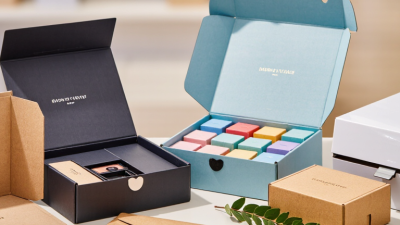
A curated selection of packaging products that fly off our shelves. Our customers love these bestsellers for their practicality and visual appeal, ensuring your products stand out and attract more buyers.
For global buyers, the package often speaks before the product does. Marketing boxes create that first conversation. They present a brand’s purpose, quality, and attention to detail within seconds. A sturdy box can protect glass bottles, folded garments, or small electronics during long journeys. Clear labels also help buyers identify the product quickly in busy warehouses or retail spaces.
Effective marketing boxes combine protection with persuasive design. They may use precise colors, readable typography, product images, and practical opening features. These details matter when products cross languages, climates, and distribution systems. A buyer in Germany may expect different information from one in Singapore. Materials, dimensions, recycling marks, and printed claims should match reliable local requirements. Professional packaging teams usually test boxes for compression, moisture exposure, stacking, and repeated handling.
Still, attractive packaging does not guarantee trust. A box may look premium but feel wasteful, fragile, or difficult to recycle. Some designs impress at trade shows yet perform poorly during real shipping. That gap deserves attention. Global buyers increasingly examine the whole experience, not just the logo. They notice damaged corners, confusing instructions, and unnecessary plastic. Marketing boxes should therefore support honest communication and dependable product delivery. The strongest design is not always the most dramatic one. It is the design that remains clear, safe, practical, and credible after thousands of miles. Manufacturers can improve by collecting buyer feedback, reviewing damage records, and testing packaging in realistic conditions. Small failures reveal useful lessons. That reflection can turn packaging from decoration into a dependable international business tool.
Why Are Marketing Boxes Important for Global Buyers?
Definition and Role of Marketing Boxes in Global Trade
Marketing boxes are packaging boxes designed to present, protect, and explain a product during trade. They often include product information, usage details, dimensions, and handling instructions. Unlike plain shipping cartons, they communicate value before a buyer opens the package.
In global trade, these boxes support several practical tasks. A clear layout helps buyers identify products quickly in warehouses and showrooms. Strong board protects items during stacking, transport, and repeated handling. Accurate labels also reduce confusion between similar products. This matters when buyers work across different languages, time zones, and distribution systems.
From my experience reviewing packaging samples, small details can influence purchasing decisions. A box with readable text and precise measurements feels more reliable. Poorly translated instructions can create doubt. A weak corner may collapse after a long journey. Appearance matters, but performance matters more.
Marketing boxes also help buyers present products consistently in local markets. However, the term is not perfectly standardized. Some suppliers mean display packaging, while others include promotional gift boxes or retail cartons. Buyers should confirm the box material, printing method, dimensions, loading capacity, and testing process. A beautiful sample may hide practical weaknesses. That deserves careful questioning.
Marketing boxes are protective shipping packages designed to combine product safety, clear information, and visual presentation. As global merchandise exports reach multi-trillion-dollar levels, well-designed boxes help buyers recognize products, reduce transit damage, communicate handling details, and create a consistent international unboxing experience.
The chart shows global merchandise export values from 2019 to 2023. Values increased substantially after 2020, highlighting the scale and complexity of cross-border distribution where standardized, informative, and durable marketing boxes can support logistics and buyer confidence.
Source: World Trade Organization, World Trade Statistical Review 2024. Values are rounded estimates in trillions of U.S. dollars.
Marketing boxes serve several practical functions for international buyers. They protect products during storage, handling, and long-distance transportation. A strong structure can reduce crushed corners, moisture exposure, and movement inside the carton. Practical warehouse checks often reveal weak seals or oversized spaces before shipment. Small details matter.
The box also carries essential product information. Clear names, measurements, materials, and usage instructions help buyers make quicker decisions. Translated text can improve understanding across different markets. However, translation is not always perfect. A local language review may still be necessary. Printed handling symbols can also guide warehouse workers and reduce avoidable mistakes.
Marketing boxes support product visibility in stores, showrooms, and online product photography. Clean colors, readable panels, and useful images create a more reliable first impression. Yet attractive packaging alone cannot build lasting trust. Buyers may question excessive decoration, unclear claims, or wasteful materials. A practical design often performs better than a dramatic one. The ideal box should fit available shelves, stack securely, and remain easy to open without damaging the product. It should also leave enough space for required market information and recycling guidance. This balance is difficult, and many packaging plans underestimate it.
Why Are Marketing Boxes Important for Global Buyers?
Design Elements That Influence Buyer Perception
A marketing box often speaks before the product does. Its structure, color, and surface finish create an immediate judgment about quality. In packaging evaluations, I have seen buyers pause over boxes with clean edges and balanced spacing. They notice small details.
Color carries different meanings across markets. A deep blue may suggest trust, while bright red can feel energetic or urgent. These impressions are not universal. Design teams should test colors with local audiences before making final decisions. Typography also matters. Clear lettering helps buyers understand product information quickly, especially when several languages appear on one panel. Crowded text feels careless. Sometimes, less information feels more credible.
Material creates another layer of perception. A firm box with a smooth opening can suggest protection and value. Recycled paper may communicate environmental responsibility, but vague claims can weaken trust. Buyers increasingly examine texture, printing quality, and disposal instructions. The box should also survive transport without looking damaged at delivery. That practical experience can influence future orders more than attractive images.
Images need cultural awareness. A symbol or gesture that seems harmless in one region may confuse another audience. Translation errors can also make polished packaging look unreliable. Design is not mathematics. Even well-researched choices can miss local expectations. For that reason, buyer feedback, physical prototypes, and repeated testing remain essential before global production.
| Design Element | Measurable Factor | Buyer Perception Influenced | Global Buyer Relevance | Recommended Practice | Priority |
|---|---|---|---|---|---|
| Structural Protection | Product-fit tolerance: minimal movement | Reliability, product quality, and reduced risk of damage | International shipments experience longer handling chains, multiple transfers, and varied warehouse conditions. | Use an appropriately sized box with internal cushioning and compression-resistant construction. | Essential |
| Material Quality | Board strength matched to load and route | Value, durability, and professionalism | Buyers in different markets often use packaging quality as a quick indicator of supplier capability. | Select the board grade according to product weight, stacking conditions, moisture exposure, and transport distance. | High |
| Color Consistency | Consistent color across production batches | Brand control, trust, and perceived manufacturing precision | Color expectations vary culturally, while inconsistent printing can appear defective in every market. | Use standardized color specifications, approved proofs, and controlled lighting during quality inspection. | High |
| Typography and Hierarchy | Clear reading order with legible text | Clarity, ease of evaluation, and purchase confidence | Global buyers may scan information in a second language or under different retail lighting conditions. | Limit decorative typefaces, create strong heading levels, and keep key information visually prominent. | Essential |
| Information Architecture | Key facts visible without opening the box | Transparency, convenience, and lower purchase uncertainty | Importers, retailers, and consumers may need product details before unpacking or displaying the item. | Prioritize product name, quantity, dimensions, material information, handling instructions, and origin details where required. | Essential |
| Symbols and Icons | Recognizable symbols supported by text | Fast comprehension and operational confidence | Standardized handling and recycling symbols help reduce language barriers, but symbols alone may be ambiguous. | Use internationally recognized symbols and add concise multilingual wording when safety or handling is important. | High |
| Sustainability Signals | Material claim supported by verifiable evidence | Environmental responsibility and supplier credibility | Environmental claims are increasingly scrutinized, and requirements differ between countries and markets. | State specific, supportable claims such as recyclable content or reduced material use; avoid vague claims such as “eco-friendly.” | High |
| Opening Experience | Simple opening with low damage risk | Convenience, satisfaction, and perceived product care | Retail staff, distributors, and end users may all interact with the package before final use. | Provide intuitive opening points, stable construction, tamper evidence where relevant, and protection against accidental tearing. | Medium |
| Localization | Market-specific language, units, and compliance content | Professionalism, legal confidence, and market familiarity | Language, measurement systems, labeling rules, and cultural color meanings differ across regions. | Prepare localized artwork versions and verify mandatory content before production for each destination market. | Essential |
| Barcode and Data Visibility | Scannable code with clear surrounding space | Operational efficiency and supply-chain readiness | Distributors and retailers depend on accurate identification for receiving, inventory, and order fulfillment. | Place the code on a flat, clean surface and validate print quality using the intended scanning process. | Essential |
| Dimensional Efficiency | High product-to-package volume ratio | Practicality, cost awareness, and sustainability perception | Oversized packaging increases storage and transport requirements and may create a negative buyer impression. | Reduce unnecessary void space while preserving cushioning, stacking strength, and presentation quality. | High |
| Tamper Evidence | Visible indication of unauthorized opening | Safety, authenticity, and trust | Long-distance distribution increases the number of points where packages may be handled or inspected. | Use seals, tear strips, or closure features appropriate to the product risk and local regulatory expectations. | High |
Marketing boxes do more than present a product attractively. They also create a protective layer between goods and difficult shipping conditions. During international transport, cartons may face vibration, stacking pressure, humidity, and repeated handling. A well-designed box uses suitable board strength, internal inserts, and secure closures. These details help reduce dents, movement, and broken components. They also support consistent packing at different warehouses.
Logistics teams also benefit from practical packaging design. Uniform dimensions can improve pallet stability and storage efficiency. Clear handling marks help workers identify orientation and fragile contents. Scannable product information can support receiving checks and inventory control. However, packaging should not become unnecessarily heavy. Extra material may raise freight costs and reduce handling efficiency. This balance requires testing, not guesswork. A box that performs well in one climate may fail in another. Buyers should review drop tests, compression results, and transport conditions before approval. Even careful designs need revision after real shipment feedback. That lesson is easy to overlook.
Standards, Sustainability, and Customization for Global Markets
Marketing boxes do more than protect products during delivery. They communicate quality before the package is opened. For global buyers, consistent standards reduce uncertainty across different markets. Accurate dimensions, strong board grades, and clear print specifications support reliable production. Drop testing and humidity checks can reveal weaknesses early. A box that survives a warehouse may still fail after weeks at sea. That detail is easy to overlook.
Sustainability now influences purchasing decisions and packaging approvals. Buyers often examine recycled content, responsible fiber sourcing, ink selection, and material separation. A simple kraft box may reduce unnecessary layers and make recycling easier. However, recycled board can vary in strength and surface quality. It may also require careful color management. Sustainability is not just a green label. It needs measurable material data and realistic performance testing. Some packaging choices remain imperfect.
Customization helps marketing boxes fit local preferences without losing production control. Designs can change by language, size, opening style, or seasonal campaign. A window, embossing detail, or internal insert may improve the customer experience. Yet every added feature can increase weight, cost, or assembly time. Buyers should review prototypes before approving large quantities. Check the fit. Inspect the edges. Test the printed colors under ordinary store lighting. Small corrections at this stage can prevent larger waste later. Reliable suppliers should document revisions, testing conditions, and material specifications clearly.