How to Choose the Best Marketing Boxes for Your Products
Choosing the right marketing boxes can shape how customers perceive your product before they open it. Packaging communicates quality, personality, and care within a few seconds. A sturdy, well-designed box may encourage repeat purchases. A weak one can damage trust.
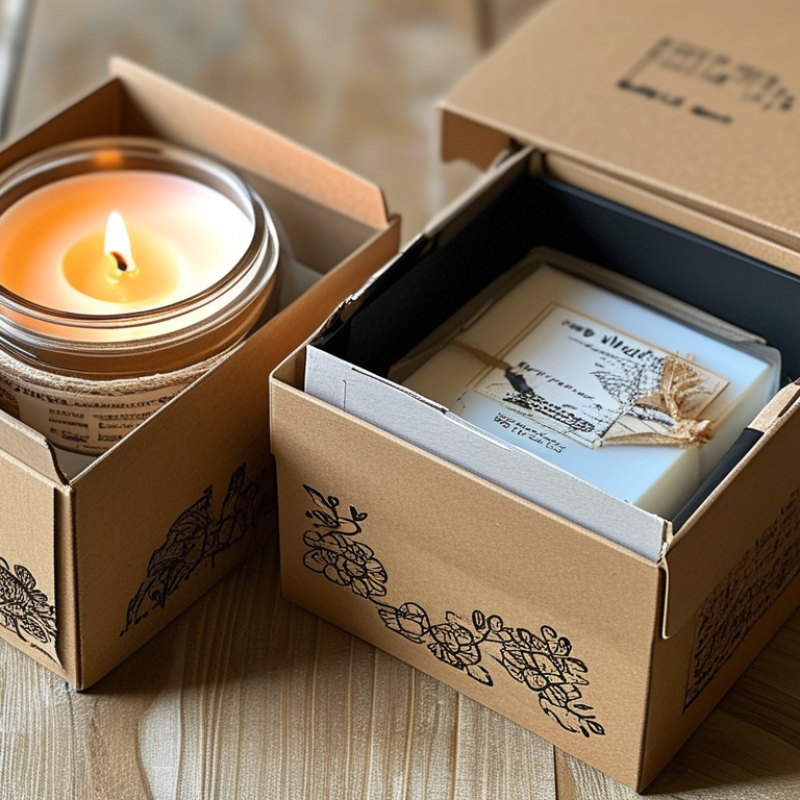
The best choice depends on your product, audience, budget, and delivery conditions. A glass candle needs cushioning and accurate internal sizing. A lightweight clothing item may need less protection but stronger visual branding. Consider box material, print quality, closure style, dimensions, and storage space. Small details matter. Even the opening experience can influence reviews and social media sharing.
Practical testing should guide the decision. Measure the product carefully, then test sample boxes through realistic handling and shipping conditions. Check for crushed corners, loose movement, fading ink, and difficult opening. Do not trust appearance alone. I have seen attractive packaging fail because the lid loosened during transport. That mistake was avoidable.
Sustainable materials also deserve careful attention. Recyclable cardboard can support a responsible brand image, but it still needs suitable strength and reliable sourcing. Claims should be specific and verifiable. Avoid vague environmental promises.
This guide explains how to compare marketing boxes with greater confidence. It considers protection, branding, customer experience, cost, and supplier reliability. Your first choice may not be perfect. That is normal. Refine it through samples, feedback, and measured results. A successful box should look appealing, protect the product, and make business sense.
Define Product, Buyer, and Channel Needs Within Smithers’ $1.2T Market
How to Choose the Best Marketing Boxes for Your Products
The global packaging market is valued at roughly $1.2 trillion, but market size alone cannot choose your box. The better decision begins with three questions: What does the product need, who will receive it, and where will it travel? Start with the product. A glass bottle needs cushioning, while lightweight clothing may need less protection. Moisture, temperature, stacking, and handling risks also matter. A beautiful box that arrives damaged is an expensive mistake.
Then study the buyer’s expectations. A premium gift buyer may notice texture, opening resistance, and color accuracy. An online shopper may value compact dimensions and easy returns. Add channel requirements to the design. Retail shelves need clear visibility and stable stacking. Direct shipping needs strong edges, secure closures, and efficient use of void space. Measure the packed box, not only the product. Small size changes can reduce shipping costs across thousands of orders.
Use prototypes before committing to a large production run. Test drop height, compression, moisture exposure, and opening time. Ask real users to handle the package without instructions. Their confusion can reveal weak messaging or awkward construction. I would not trust appearance alone; packaging often performs differently after repeated handling. The first design may also be overbuilt. That is not failure, but it deserves review. Record damage rates, customer comments, and packing labor, then adjust the box to fit the product, buyer, and channel more precisely.
How to Choose the Best Marketing Boxes for Your Products
Define product, buyer, and channel needs within a $1.2T packaging market
How to use these limits
Start with the product’s packed weight and longest dimension, then select a box that protects the item without unnecessary empty space. Postal parcels generally favor lighter, compact boxes, while standard parcel-carrier networks allow heavier and larger shipments. Confirm the exact service rules before finalizing box dimensions because limits can vary by service, destination, and surcharge policy.
Reference values show commonly published U.S. parcel-planning limits: maximum package weight and maximum length plus girth. Length plus girth equals length + 2 × width + 2 × height.
Compare Box Materials Against Trivium’s 74% Sustainable-Packaging Demand
How to Choose the Best Marketing Boxes for Your Products
A 74% sustainable-packaging demand signal changes how marketing boxes should be selected. Appearance still matters, but material evidence matters more. Corrugated cardboard offers strong protection, low weight, and established recycling routes. Paperboard suits lightweight products and sharp printed designs. Molded fiber creates a natural texture, although it may need extra protection against moisture. Recycled plastic can resist water, but its recovery options vary by region.
I have seen attractive boxes arrive crushed because the design ignored stacking pressure. A recyclable material does not guarantee responsible disposal. Check recycled content, coatings, adhesives, ink systems, and local collection facilities. Request supplier documentation, testing records, and clear lifecycle information. Compare shipping weight, product damage rates, and disposal access before approving the final design. The cheapest box may create higher costs through returns and wasted stock.
Tips: Test one filled box first. Drop it from handling height. Rub the printed surface with a damp cloth. Measure the empty package weight. Ask customers whether disposal instructions feel clear. Keep claims specific and verifiable. Avoid vague words like “green.” My own packaging reviews sometimes focus too heavily on appearance. That is a weakness worth correcting. A slightly plain box may perform better, use fewer materials, and satisfy a stronger sustainability expectation.
Set Box Dimensions to Limit Dimensional-Weight Fees Under UPS 2024 Rules
Choosing the best marketing box starts with controlling empty space. In 2024, parcel carriers calculate dimensional weight from length, width, and height. A lightweight product can cost more when its box is oversized. Measure the packed carton, not the product alone. Record each dimension after closing the flaps.
Use the carrier’s current divisor, then divide the cubic volume by that number. Round the result according to the service rules. Compare dimensional weight with actual weight, because the higher figure usually determines the charge. A box measuring 14 by 10 by 8 inches creates 1,120 cubic inches. Reducing each side by two inches cuts the volume sharply. Small changes matter.
Choose a snug box with enough space for cushioning. Test several samples with real inserts, labels, and protective materials. A beautiful package that shifts during delivery is not efficient. Nor is a tight box that damages corners. I have seen teams measure empty cartons and miss the added height from folded paper. That mistake was expensive.
Leave a practical buffer.
Keep a measurement sheet for every box size. Include outer dimensions, packed weight, product fit, and damage results. Review these records when shipping rates or dimensional rules change. The divisor may differ by service, region, or account terms, so confirm it before printing packaging in bulk. A perfect box is rarely perfect forever. Recheck it.
Test Protection Using ISTA 3A Standards and E-Commerce Damage Metrics
How to Choose the Best Marketing Boxes for Your Products
Marketing boxes should protect the product before they impress the customer.
ISTA 3A testing recreates parcel-delivery stress, including drops, vibration, compression, and atmospheric changes. Choose a box based on product weight, fragility, dimensions, and shipping route. Do not guess.
Record damage rates before changing packaging. Track crushed corners, broken parts, moisture exposure, refund requests, replacements, and customer complaints. Then compare results by box size and material.
The National Retail Federation’s 2024 retail returns report estimated
$890 billion
in returned merchandise, equal to
16.9%
of annual retail sales. Not every return results from packaging, but weak protection can increase avoidable costs.
Use ISTA 3A as a controlled baseline, then test real shipments from warehouses to customers. A laboratory pass is not proof. Poor loading, empty space, or careless handling may still create failures.
Measure damage per 1,000 shipments and calculate the cost of each failure. Include packaging, transport, replacement, labor, and lost customer trust.
A smaller box may reduce movement, yet excessive tightness can crush delicate contents. This trade-off deserves another test.
Dawdling over appearance can also distract from protection, which is an easy mistake.
Rank Branding and Unboxing Features Using Dotcom’s 40% Repurchase Finding
Choosing the best marketing box starts with repurchase potential, not decoration.
Dotcom Distribution’s widely cited survey found that 40% of shoppers were more likely to repurchase after receiving premium packaging. That finding changes the priority list. A box must protect the product, create anticipation, and make the second order feel familiar.
Rank structural performance first.
Use a snug fit, sturdy board, and enough cushioning for predictable transit impacts. A damaged product cancels every branding benefit. Then assess the unboxing sequence: easy opening, clean tissue placement, and one clear message inside the lid. These details reduce friction. They also give customers a natural moment for photos or reviews.
Sustainability deserves a high rank.
McKinsey’s 2023 packaging research reported that roughly 60% of consumers were willing to pay more for sustainable packaging, although survey intent does not always become checkout behavior. Keep that limitation visible. Recycled content, right-sized dimensions, and recyclable inserts can support the claim without excessive decoration. A smaller box may feel less impressive. It may also reduce shipping waste and handling costs.
Test three versions with real customers.
Measure damage rates, opening time, review language, and repeat orders. Do not trust a beautiful mock-up. It can hide weak corners, confusing seals, or too much filler. The strongest marketing box is rarely the loudest one. It is the one customers remember positively, then choose again.