What Are the Top Personalized Box Types in 2026?
In 2026, personalized boxes are becoming quieter, smarter, and more purpose-driven. Brands no longer rely only on bright logos or oversized graphics. They use tailored dimensions, tactile paper, variable printing, and thoughtful opening experiences. A small skincare mailer may feature a customer’s name, a soft-touch finish, and an insert matched to the selected product. That detail can feel more personal than expensive decoration.
Packaging analyst Lisa McTigue Pierce once put it this way: “Packaging has to protect, perform, and communicate.” Her point remains practical. The best personalized boxes must survive delivery, present the product clearly, and create emotional value. This guide examines the leading box types expected to shape 2026, including custom mailer boxes, rigid gift boxes, subscription boxes, folding cartons, and magnetic closure boxes.
Each format serves a different commercial purpose. Mailer boxes support direct-to-consumer shipping with fewer extra materials. Rigid boxes create a premium experience for cosmetics, jewelry, and electronics. Subscription boxes encourage repeat engagement through changing themes and inserts. Kraft options appeal to brands seeking a warmer, more responsible appearance. QR-enabled designs may also connect the physical package with tutorials, loyalty programs, or product stories.
But personalization is not automatically effective. Too many colors can weaken recognition. Excessive inserts can create waste. A perfectly printed box may still feel generic. The strongest choices balance customer data, product protection, budget, and realistic sustainability claims. Some trends will probably fade. That is worth remembering. This overview focuses on the formats offering the clearest practical value in 2026.
Definition and Role of Personalized Boxes in 2026
What Are the Top Personalized Box Types in 2026?
Definition and Role of Personalized Boxes in 2026
Personalized boxes are packaging units adapted to a customer, product, occasion, or purchasing context. Custom names, printed messages, tailored dimensions, and variable artwork are common features. In 2026, their role extends beyond decoration. They guide unboxing, protect products, communicate information, and create measurable points for customer engagement.
The market is moving toward flexible packaging systems. Smithers’ The Future of Packaging: Long-Term Strategic Forecast to 2028 valued the global packaging market at approximately 1.17 trillion dollars in 2023. This scale makes personalization more practical, but also more demanding. Digital printing supports short runs, seasonal designs, and individualized inserts without traditional plate production. A small box may include a handwritten-style message, a product-specific sleeve, or an interior pattern matched to the recipient.
Function still matters most.
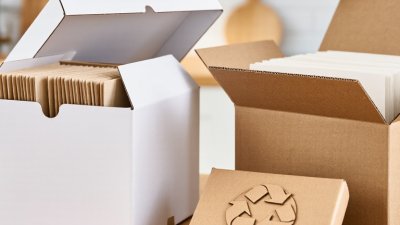
Personalized mailer boxes suit subscription deliveries and compact retail orders. Rigid boxes remain useful for premium presentation, especially when structure and repeated opening matter. Folding cartons offer efficient storage and economical variable printing. Reusable boxes can strengthen delivery routines, though their environmental value depends on actual reuse. The Ellen MacArthur Foundation continues to stress packaging circularity, while PwC’s Voice of the Consumer Survey 2024 reported that 46% of consumers were buying more sustainable products. These figures suggest that personalization should not increase unnecessary material. A beautiful box can still be wasteful. This is where current practice needs more honest testing: teams should compare customer response, damage rates, material use, and repeat orders instead of trusting appearance alone.
Top Personalized Box Types for Retail and Gifting
Personalized box design is becoming a practical retail tool, not just a decorative upgrade. McKinsey’s Next in Personalization report found that 71% of consumers expect personalized interactions, while 76% feel frustrated when brands miss them. For retail, custom mailer boxes work well because they protect products and create a branded unboxing moment. Folding cartons suit cosmetics, food, and small accessories. They use less material and fit efficiently on store shelves.
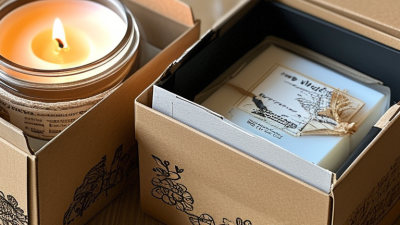
Gifting requires more emotional detail. Rigid gift boxes, drawer boxes, and magnetic-closure boxes offer a stronger opening experience. Smithers’ e-commerce packaging research identifies continued growth in shipped consumer packaging through 2029, driven by online retail and delivery expectations. A rigid box with a paper sleeve can feel premium without excessive decoration. Small inserts, handwritten-style messages, and seasonal colors add useful personalization. Too many layers can still feel wasteful.
Subscription boxes remain valuable for repeat purchases and curated gifts. Their monthly format supports changing artwork, limited editions, and personal notes. Deloitte’s 2024 holiday retail research also shows that shoppers remain highly sensitive to value, making packaging cost important. My practical view is imperfect: personalization should not mean printing every customer’s name. It may be better to customize the message, size, or opening style. Brands should test return rates, damage reports, repeat orders, and customer comments before scaling. A beautiful box can fail when it arrives crushed.
What Are the Top Personalized Box Types in 2026?
Top personalized box types for retail and gifting, ranked by a practical 2026 planning score based on versatility, gifting appeal, shelf presentation, customization potential, and shipping suitability.
How to read the chart: Rigid setup boxes lead for premium gifting, while mailer boxes and folding cartons offer strong customization with efficient retail and shipping performance. Scores are comparative planning indicators rather than market-share percentages.
How Personalization Technology Shapes Box Selection
What Are the Top Personalized Box Types in 2026?
Personalization technology is changing how businesses choose boxes, not only how they decorate them. Subscription boxes now use purchase history, seasonal preferences, and delivery data to adjust size and compartment layout. A tea buyer may receive narrow slots for tins, while a snack buyer needs stronger dividers. Small details matter.
Gift boxes are becoming more responsive. Online configurators can match box color, message placement, and insert design with a recipient’s profile. Some systems preview the finished package before production, reducing costly visual mistakes. Variable printing also supports short runs, making personalized birthday, wedding, and corporate packaging more practical. However, attractive software cannot replace a physical test. A digital preview may hide weak corners or awkward opening angles.
Eco-conscious boxes are also selected through data. Packaging teams compare product weight, shipping distance, recycled content, and return rates before choosing rigid, folding, or molded designs. In professional trials, a smaller box often lowers transport damage and material use, but only when cushioning remains adequate. That can fail. Customer feedback may reveal that a compact package feels cramped or difficult to recycle.
Reliable personalization depends on accurate data and clear consent. Businesses should test recommendations with different customer groups, then measure repeat purchases, damage reports, and disposal behavior. Automated choices can be efficient, yet they sometimes repeat old preferences too confidently. Human review still matters when a customer’s needs change. A useful box should feel considered, not strangely predictable.
Factors for Comparing Cost, Sustainability, and Customer Appeal
What Are the Top Personalized Box Types in 2026?
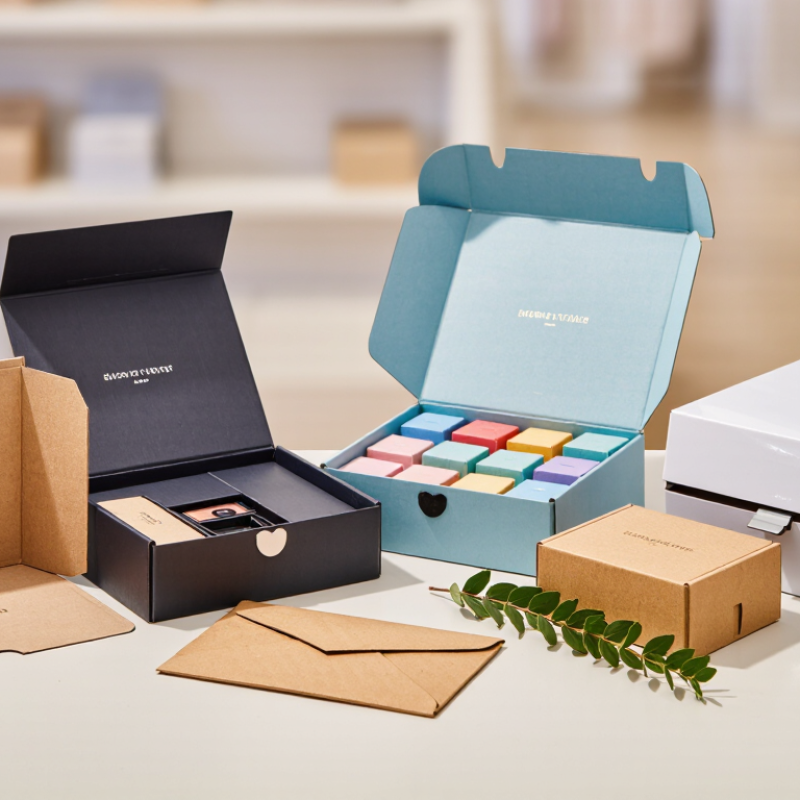
Personalized mailer boxes remain a practical choice for subscription and direct-to-consumer shipments. They use printed corrugated board and need little extra assembly. Their flat shipping profile can reduce storage and freight costs. Die-cut inserts protect small products without adding many materials. However, complex shapes increase tooling costs and create more production waste. Cost starts with the structure, not the logo.
Rigid setup boxes create stronger customer appeal for gifts, cosmetics, and premium launches. Their solid walls feel substantial in the hand. That impression can support higher perceived value, but shipping weight and storage space increase quickly. According to PwC’s Voice of the Consumer Survey 2024, 46% of consumers reported buying more sustainable products. Respondents also accepted an average 9.7% premium for sustainable goods. A beautiful box may still fail if customers see it as excessive.
Sustainability requires measurable choices. The U.S. Environmental Protection Agency reported 82.2 million tons of containers and packaging waste in 2018, with a 28.1% recycling rate. That figure is dated, but it remains a useful warning. Choose widely recyclable board, water-based inks, and minimal laminates. Personalized sleeves can refresh standard boxes with less material than fully printed structures. Variable printing also supports seasonal designs without large inventory runs. Yet personalization is not automatically sustainable. Small batches can raise unit costs and leftover stock. That trade-off is real. A 2026 packaging review should compare total cost, material weight, recyclability, damage rates, and customer response—not appearance alone.
What Are the Top Personalized Box Types in 2026? — Factors for Comparing Cost, Sustainability, and Customer Appeal