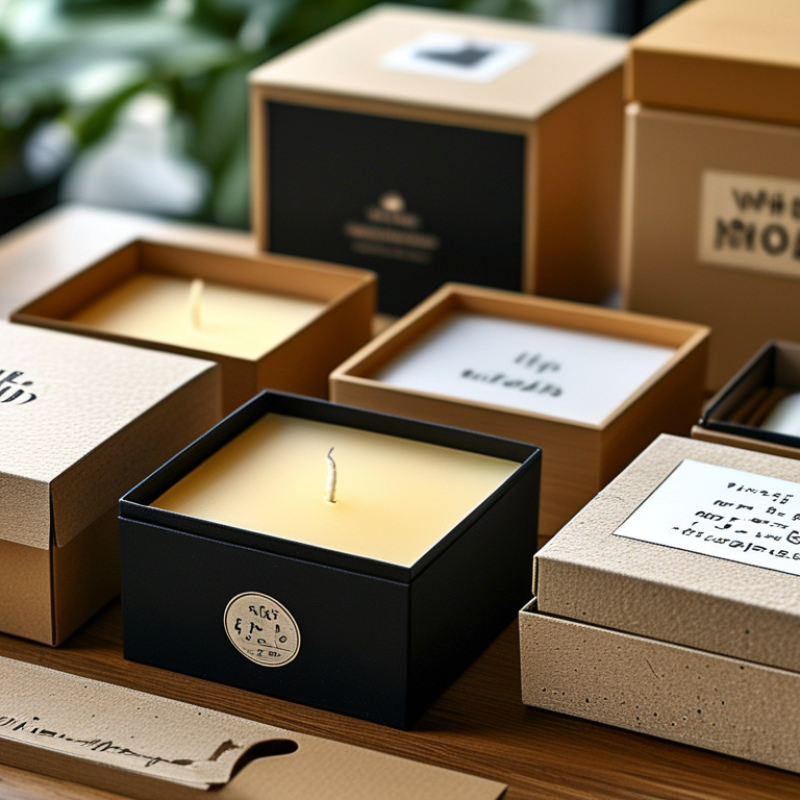
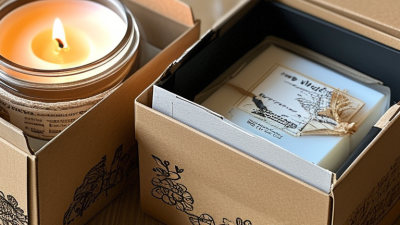
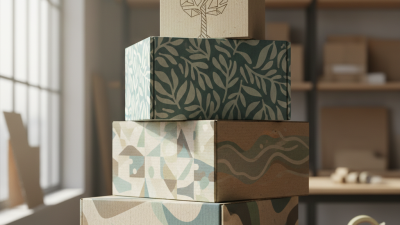
A curated selection of packaging products that fly off our shelves. Our customers love these bestsellers for their practicality and visual appeal, ensuring your products stand out and attract more buyers.
Personalized boxes are packaging solutions designed around a brand, product, or customer experience. They can include custom dimensions, printed artwork, logos, inserts, handles, and protective materials. Unlike standard cartons, these boxes are planned for a specific purpose. A candle may need a snug insert, while a subscription product may require several compartments. Small details often determine whether the package arrives safely or looks careless.
From practical packaging projects, I have seen buyers focus on more than appearance. They want products to stay secure during shipping, open cleanly, and reflect the quality inside. Personalized boxes can support these goals by reducing unnecessary movement and creating a recognizable presentation. A carefully printed lid, textured surface, or handwritten thank-you card can make the unboxing experience feel intentional. It may also help a small business appear more consistent across online stores, retail shelves, and social media images.
The process is not flawless. A box that looks impressive may still waste material, cost too much, or fit poorly. That matters. Buyers should consider product weight, shipping conditions, assembly time, printing quality, and storage space before choosing a design. Reliable suppliers usually provide samples, material details, production guidance, and clear quality checks. These steps help buyers make practical decisions instead of relying only on attractive mockups. When planned carefully, personalized boxes can protect products, strengthen brand recognition, and give customers a more memorable reason to trust the purchase.
Personalized boxes are packages designed around a product, customer, or occasion. Their size, shape, color, artwork, and opening style can be adjusted. A standard box may leave empty space around a small item. A personalized box can hold it firmly, reducing movement during delivery.
The process usually starts with product measurements and a packaging goal. A designer then creates a dieline, which shows every fold, panel, and flap. The artwork is placed on this template before printing. Material choices matter too. Lightweight paperboard suits smaller goods, while stronger corrugated board protects heavier items.
A sample should be tested with the real product inside. The first sample may not feel right. That is normal. A loose lid, weak corner, or crowded logo can appear only during handling. Experienced packaging teams check stacking, opening, storage, and shipping conditions before production.
Tips: Measure the product at its widest points. Leave only practical space for padding. Request a physical sample before ordering many boxes. Check colors under normal store lighting. Keep important text away from folds and edges. Small errors become obvious there.
Personalization also affects production cost and timing. Complex finishes, unusual shapes, and small order quantities may require extra setup. Clear specifications help prevent misunderstandings between designers, printers, and buyers. A reliable supplier should confirm dimensions, materials, print quality, and delivery expectations in writing.
What Are Personalized Boxes and Why Do Buyers Need Them?
Key Features That Define Personalized Boxes
Personalized boxes are packaging units shaped around a product, audience, and buying situation. Their value begins with fit, not decoration. A buyer may choose a custom size, opening style, surface finish, or printed message. These choices create a clearer unboxing experience. It feels specific.
Strong personalized boxes combine function with recognizable visual details. The first feature is precise sizing. A snug fit reduces product movement and limits unnecessary filling materials. Material choice matters too. Kraft board gives a natural appearance, while coated board supports sharper colors and smoother graphics. The structure should also match the product’s weight and handling needs.
Color, typography, and imagery should support easy recognition. Too many design elements can make the box look confused. Personalization can also include short instructions, care details, or a simple thank-you message. Useful information belongs where buyers can find it quickly. In packaging evaluations, I have seen attractive boxes fail because small text became unreadable after printing. That mistake is easy to miss.
A practical design needs testing before production. The box must survive stacking, carrying, and repeated opening. Testing with a filled sample reveals weak folds, loose lids, and poor internal spacing. Not every custom idea improves the package. Sometimes, a simpler box performs better and communicates more clearly.
Personalized boxes combine custom sizing, visual design, messaging, inserts, and functional details to create a more relevant unboxing experience. Consumer research shows strong demand for personalized interactions, which helps explain why buyers value packaging tailored to their preferences.
Survey-based consumer indicators published in 2021; figures represent the share of respondents.
What Are Personalized Boxes and Why Do Buyers Need Them?
Common Types of Personalized Boxes
Personalized boxes turn ordinary packaging into a practical customer touchpoint. They may use a buyer’s name, seasonal message, custom artwork, or product-specific layout. According to the 2024 Smithers e-commerce packaging outlook, online retail continues to increase demand for protective, efficient, and visually engaging packaging. Buyers notice all three.
The common types include printed mailer boxes, rigid gift boxes, subscription boxes, and folding cartons. Mailer boxes suit small products and online orders. Rigid boxes create a stronger unboxing experience for gifts or premium items. Subscription boxes often use changing themes, inserts, and variable messages. Folding cartons work well for retail shelves and product bundles. A 2023 consumer packaging survey reported that clear product information and easy opening strongly influence packaging satisfaction. Appearance matters, but usability wins more often than expected.
Tips: Match the box style to the product’s weight, size, and shipping risks. Use recyclable materials where practical, and avoid oversized designs that add empty space. Test the box with real customers. A beautiful sample can still frustrate users. Personalization should support recognition, not create confusion. My own packaging reviews suggest that one readable message often performs better than several decorative elements. That assumption needs testing, especially across different age groups and cultures.
Personalized boxes turn an ordinary delivery into a deliberate buying experience. Buyers choose them because packaging can signal care before the product is opened. A name, short message, or seasonal pattern creates a personal moment on the doorstep. It also helps the package feel less interchangeable. McKinsey’s Next in Personalization report found that 71% of consumers expect personalized interactions. Another 76% feel frustrated when companies miss that expectation. The finding applies beyond digital screens. Packaging is a physical interaction.
Buyers also consider protection, sustainability, and practical value. A well-fitted box reduces movement, crushed corners, and unnecessary filler. The quiet sound of tissue paper can matter, but only when the product arrives safely. PwC’s 2024 Voice of the Consumer Survey reported that 46% of consumers buy more sustainable products. Respondents also accepted an average 9.7% price premium for sustainably produced goods. Recyclable board, water-based inks, and right-sized structures can support that preference. Still, personalization is not magic. Extra coatings, oversized cartons, or difficult opening features may weaken the experience. Packaging teams should test drop resistance, closure strength, print consistency, and recycling instructions. I have found that small details often outperform dramatic designs. Yet buyer expectations vary, and one message may not suit every audience. That limitation deserves honest review.
| Buyer Need | Personalized Packaging Feature | Practical Buyer Benefit | Recommended KPI | How to Measure It | Priority |
|---|---|---|---|---|---|
| Clear product recognition | Custom colors, typography, product information, and consistent visual hierarchy | Helps customers identify the product quickly and reduces confusion during receiving, storage, and unboxing. | Recognition accuracy | Percentage of test participants who correctly identify the product or variant from the package alone. | High |
| Protection during handling and transport | Box dimensions, internal inserts, cushioning, and closure style tailored to the product | Limits movement inside the carton and helps protect the contents from compression, impact, and abrasion. | Damage rate | Damaged units ÷ shipped units × 100% | High |
| Efficient use of materials | Right-sized box design with reduced empty space and optimized internal fit | Can reduce unnecessary board, void fill, storage volume, and shipping space when the product remains adequately protected. | Package utilization | Product volume ÷ internal package volume × 100% | High |
| Lower fulfillment labor | Easy-open structure, pre-glued construction, tear strips, and clearly placed handling instructions | Supports faster packing and unpacking while reducing avoidable assembly steps. | Pack time per order | Average elapsed time from product picking to sealed-package completion. | High |
| Strong unboxing experience | Printed interior, orderly product placement, branded tissue, inserts, or personalized messages | Creates a more memorable delivery experience and provides a controlled point for product education or after-sales guidance. | Unboxing satisfaction | Post-purchase survey score using a consistent rating scale and identical questions. | Medium |
| Product information and traceability | Variable printing, batch fields, QR codes, barcodes, care instructions, and regulatory information | Gives buyers access to product details, instructions, authentication workflows, or service information at the point of use. | Scan or interaction rate | Recorded scans or digital interactions divided by delivered packages. | High |
| Responsible material selection | Material specifications, recyclable components, reduced mixed-material construction, and clear disposal guidance | Helps buyers align packaging choices with internal sustainability policies and local recycling requirements. | Material recyclability | Verify material composition and disposal instructions against the recycling rules applicable in the target market. | High |
| Consistent quality across orders | Approved artwork, color standards, structural drawings, and documented inspection criteria | Reduces visual variation and makes packaging performance easier to control across production batches. | First-pass acceptance rate | Packages accepted without rework divided by total packages inspected. | High |
| Flexible campaign or seasonal changes | Modular sleeves, interchangeable inserts, variable data printing, or limited-run artwork | Allows messages, product variants, or promotional content to change without redesigning every packaging component. | Changeover lead time | Calendar time from approved artwork or specification to production-ready packaging. | Medium |
| Secure delivery and tamper awareness | Tamper-evident seals, tear strips, locking tabs, serialized labels, or controlled-access closures | Makes unauthorized opening more visible and provides an additional layer of delivery confidence. | Security incident rate | Reported tampering or package-integrity incidents divided by delivered packages. | High |
| Cost control | Balanced specification covering board grade, print coverage, finishing, size, and order quantity | Helps buyers compare the full packaging cost rather than evaluating unit price alone. | Total packaging cost per order | Packaging materials + printing + finishing + assembly + handling cost | High |
| Customer retention and referrals | Distinctive, useful, and shareable packaging that remains consistent with the product experience | Supports a recognizable customer journey and can encourage repeat purchase or voluntary social sharing. | Repeat-purchase rate | Customers placing another order within a defined measurement period divided by eligible first-time customers. | Medium |
Note: KPI definitions should be applied consistently across the same product, packaging format, market, and measurement period to produce comparable results.
Personalized boxes are not merely decorated containers. They shape the unboxing experience, protect products, and communicate a seller’s attention to detail. McKinsey’s 2021 personalization research found that 71% of consumers expect personalized interactions, while 76% feel frustrated without them. A custom box can answer that expectation, but only when its design supports the product.
Start with the product’s real dimensions, not an idealized sketch. Measure height, width, weight, and movement inside the box. A snug fit may reduce damage and material use. Fragile items need cushioning, while rigid products may need stronger board grades. Choose recyclable paper-based materials when practical. The U.S. Environmental Protection Agency reported that containers and packaging made up 28.1% of municipal solid waste generation in 2018, so oversized packaging deserves careful review.
Then assess printing, opening style, shipping conditions, and production volume. A matte finish may feel premium, but it can show fingerprints during handling. Bright colors can also shift between digital artwork and physical samples. Request a prototype. Test it with a short drop trial and one complete delivery cycle. This is often where attractive ideas fail.
Packaging suppliers should provide material specifications, tolerance ranges, and realistic lead times. Ask whether inks, adhesives, and coatings suit the product’s use. The 2023 Sustainable Packaging Coalition report emphasizes designing packaging for recovery systems, not appearance alone. Local recycling facilities may not accept every format. Check that point before ordering thousands of boxes. Personalization should feel intentional, not excessive. A readable logo, useful message, and accurate fit often outperform complicated graphics.