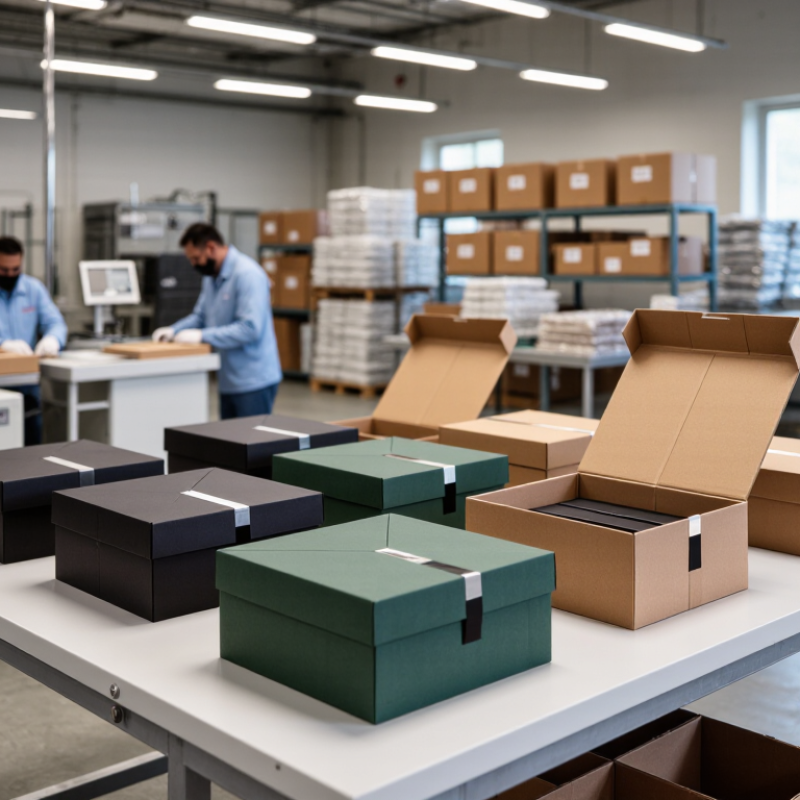
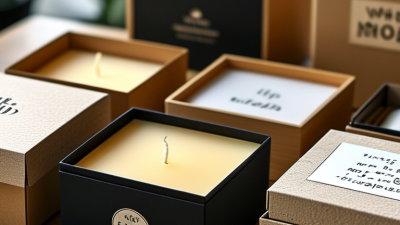
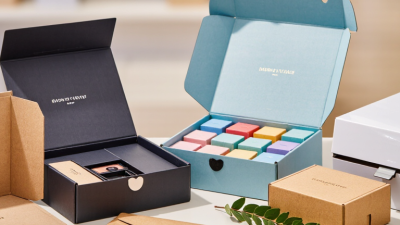
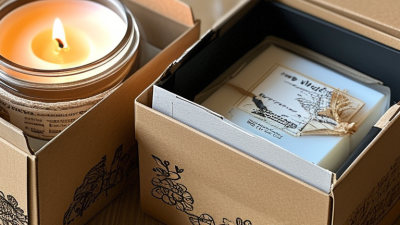
A curated selection of packaging products that fly off our shelves. Our customers love these bestsellers for their practicality and visual appeal, ensuring your products stand out and attract more buyers.
The search for top China personalized boxes suppliers begins with more than price. Buyers need reliable materials, accurate printing, stable lead times, and responsive communication. A beautiful sample means little if the production batch arrives with uneven colors or weak magnetic closures.
Industry data shows why this category deserves careful attention. Grand View Research valued the global sustainable packaging market at USD 101.49 billion in 2022. It also forecasts a 7.7% compound annual growth rate from 2023 to 2030. Smithers’ packaging research similarly highlights continued demand for branded, recyclable, and e-commerce-ready formats. These trends are changing how companies assess personalized boxes.
Packaging expert Lisa McTigue Pierce describes packaging as “the silent salesperson.” That idea matters in China’s competitive manufacturing market. A rigid gift box can communicate quality through its paper texture, edge finishing, and opening experience. A folding mailer can reduce shipping space while protecting a small product. Details speak loudly.
This guide examines China suppliers through practical criteria. These include minimum order quantities, prototype accuracy, material traceability, printing technology, quality inspection, and export experience. Certifications also require verification. A logo on a website is not proof.
No supplier ranking is flawless. Factory capabilities can change, and online portfolios may show their best work only. Buyers should request recent samples, production videos, inspection records, and clear quotations. The strongest supplier is not always the cheapest. It is the partner that delivers consistent boxes when the order becomes difficult. That distinction deserves closer examination.
Personalized boxes are packaging designed around a business’s product, visual identity, and customer experience. They may include a printed logo, selected colors, custom dimensions, protective inserts, or a short message inside the lid. Unlike standard cartons, these boxes fit the product more closely. That can reduce empty space, movement, and avoidable damage during delivery.
Businesses need them for practical and commercial reasons. A well-fitted box can make fragile items safer while using less filler material. A clear exterior design also helps customers recognize an order before opening it. Inside, a printed instruction card or QR code can explain product care without adding much weight. In packaging evaluations, I check the board thickness, folding accuracy, ink quality, and closure strength. Small errors matter. A lid that opens during transport can quickly damage customer trust.
Personalized boxes also support a consistent buying experience across online and physical sales. A candle, cosmetic set, or handmade accessory may need different inserts and measurements. Reusing one oversized box is convenient, but it often looks careless and raises shipping costs. Still, customization is not automatically better. Complex finishes may increase waste, production time, or minimum order quantities. A reliable supplier should provide material samples, clear measurements, prototype testing, and documented quality checks. Businesses should review those details before approving a large production run. I have found that attractive artwork cannot repair weak structure. Practical testing must come first.
What Are the Top China Personalized Boxes Suppliers?
Evaluating China’s personalized box suppliers requires more than comparing prices. Start with physical samples, not only digital renderings. Inspect the board thickness, folding accuracy, print sharpness, and inner protection. A reliable supplier should explain material grades, production limits, and suitable finishing methods in clear language.
Ask for a detailed quotation showing tooling, sampling, packaging, shipping terms, and minimum order quantities. Request a production timeline with inspection points. Suppliers with documented quality procedures are easier to assess. Check whether they can provide material test reports, factory credentials, and export documents when required. Communication matters too. Slow or vague replies may create expensive misunderstandings later.
Use a small trial order before committing to large volumes. Compare the approved sample with the mass-produced boxes carefully. Check color variation, corner alignment, glue marks, and carton strength. A beautiful prototype can still conceal weak production control. That is an easy mistake.
A strong supplier should accept reasonable quality standards in writing. Independent inspections can add confidence, especially for complex structures or tight deadlines. Evaluate how the supplier handles defects, revisions, and delays. The cheapest quote is not always economical. However, an expensive quote is not proof of expertise either. Review evidence, question assumptions, and leave room for human error in your schedule.
How to Evaluate China’s Personalized Box Suppliers
The chart presents a practical procurement weighting model for comparing personalized box suppliers. Quality consistency and customization capability receive the highest priority, while cost should be evaluated together with lead time, minimum order quantity, sustainability, and communication performance.
What Are the Top China Personalized Boxes Suppliers?
China’s custom box suppliers commonly produce mailer boxes, folding cartons, rigid boxes, drawer boxes, and magnetic closure boxes. Each type suits a different product and customer experience. Mailer boxes use corrugated board and protect items during delivery. Folding cartons are lighter and work well for retail shelves. Rigid boxes feel more premium, but they need more storage space and usually cost more.
Material selection should match product weight, shipping distance, and presentation goals. Kraft paper offers a natural appearance, while coated paper creates sharper colors and smoother images. Recycled paperboard can support sustainability claims when suppliers provide reliable material records. For fragile products, thicker board, corrugated inserts, molded pulp, or paper padding may improve protection. Plastic windows and foam inserts are available, but their disposal impact deserves careful review. Details matter.
When comparing China suppliers, request a physical sample before approving mass production. Check board thickness, folding accuracy, color consistency, glue marks, edge strength, and inner fit. Ask for production photos, material declarations, and relevant quality test records. A drop test can reveal weaknesses that photographs hide. I once treated an attractive sample as proof of factory consistency. That was a poor assumption. A revised sample, approved color proof, and written tolerance sheet provide stronger control. Even then, minor color variation may appear between batches, especially with textured papers. A dependable supplier should explain these limits clearly and respond with measurable solutions, not vague promises.
| Custom Box Type | Common Materials | Typical Structure | Customization Options | Suitable Applications | Key Considerations |
|---|---|---|---|---|---|
| Folding Carton | Folding boxboard, coated paperboard, recycled paperboard | Die-cut, scored, and glued flat-pack box | Full-color printing, window film, embossing, foil accents, matte or gloss coating | Cosmetics, food, retail products, small electronics | Lightweight and cost-efficient; limited protection for heavy products |
| Rigid Setup Box | Greyboard wrapped with art paper, specialty paper, or fabric | Pre-assembled two-piece, drawer, magnetic, or hinged construction | Paper wrapping, fabric wrapping, inserts, ribbons, magnets, debossing, foil stamping | Luxury gifts, jewelry, watches, premium cosmetics | High perceived value and strong protection; higher cost and shipping volume |
| Corrugated Shipping Box | Kraft liner, white-top liner, recycled corrugated board | Single-wall or double-wall fluted board with glued or self-locking flaps | Flexographic or digital printing, custom die-cuts, inserts, handles, tear strips | E-commerce, subscription products, appliances, home goods | Select flute strength according to product weight, stacking, and shipping conditions |
| Mailer Box | E-flute corrugated board, kraft board, recycled paperboard | Self-locking, foldable structure with tuck-in flaps | Inside and outside printing, tear strips, inserts, stickers, custom closures | Subscription boxes, apparel, cosmetics, direct-to-consumer shipments | Good unboxing experience with less assembly than rigid packaging |
| Paper Tube | Spiral-wound paperboard, kraft paper, coated paper | Round or shaped cylindrical body with paper, metal, or plastic lid | Printed wrap, embossed graphics, internal trays, pull ribbons, custom lids | Tea, coffee, candles, cosmetics, dry food, promotional gifts | Distinctive shape; moisture and barrier requirements may require additional liners |
| Pillow Box | Paperboard, kraft board, recycled card stock | Curved die-cut panels with tuck-in end flaps | Custom printing, windows, perforations, ribbons, and surface coatings | Small gifts, accessories, soaps, jewelry, event favors | Best for lightweight items; internal support may be needed for fragile products |
| Window Box | Paperboard or corrugated board with PET or cellulose window film | Folding or tuck-end box with die-cut viewing panel | Window shape, printed graphics, inserts, coatings, hanging tabs | Food, toys, crafts, apparel accessories, retail display products | Product visibility is strong; confirm film type when recyclability is important |
| Gift and Retail Bag | Kraft paper, coated paper, recycled paper, cotton or polyester handles | Folded paper bag with twisted, flat, or rope handles | Handle style, gusset depth, full-color printing, eyelets, ribbons, and coatings | Retail stores, events, apparel, gifts, takeaway products | Choose paper weight and handle construction based on load-bearing needs |
| Product Insert and Tray | Molded paper pulp, paperboard, corrugated board, EVA foam, or PET | Custom compartments or molded cavities fitted inside an outer box | Compartment layout, printed surfaces, protective padding, finger notches | Electronics, glass products, cosmetics, jewelry, gift sets | Improves product protection and presentation; material compatibility should be checked |
A capable supplier should manage the full production process, from structural design to final packing. Ask for a clear dieline before approving the order. It should show folds, glue areas, dimensions, and printing limits. A physical prototype is useful because digital images can hide weak corners or poor fitting lids. The supplier should also explain paper thickness, surface coating, insert materials, and minimum order quantities. Small details matter.
Printing quality deserves close attention. Request a digital proof and a physical color sample before mass production. Check text sharpness, logo alignment, foil placement, and color consistency under normal lighting. Reliable factories usually inspect materials before printing and monitor production at several stages. They should provide measurable quality standards, not vague promises. Ask about carton strength, edge protection, moisture control, and packing methods during shipment.
Quality checks should include dimensions, surface defects, adhesive strength, and assembly accuracy. For fragile packaging, basic drop or compression testing can reveal problems early. A production sample may look excellent, yet the bulk order can vary slightly. That risk should be discussed openly. I would request inspection photos, sampling records, and an agreed defect tolerance before payment. Some suppliers respond quickly but document poorly. That is a warning sign. A dependable partner explains delays, corrects mistakes, and keeps production records available. Test carefully. Oversight is still necessary.
Choosing the right China personalized box supplier requires more than comparing prices. Start with manufacturing experience, material knowledge, and clear production records. Ask for recent samples using your intended paper, board thickness, coating, and printing method. A box may look attractive online but feel weak in your hands.
Request a detailed quotation with tooling fees, minimum order quantity, sampling time, production time, and packaging costs. Confirm whether the quoted price includes color proofing and quality inspection. Check how the supplier handles changes after approval. Reliable teams should explain tolerances, moisture protection, and carton strength without vague promises. Small details matter. A two-millimeter size error can affect product fit.
Review factory photos carefully, but do not rely on photos alone. Ask for a live video inspection or an independent quality check before shipment. Verify business documents, export experience, and compliance with your destination market. Communication also reveals professionalism. Slow replies, unexplained revisions, or inconsistent specifications deserve attention. I have found that the cheapest quotation often creates hidden costs through rework and delayed delivery. Still, even experienced suppliers can make mistakes. Keep written specifications, approve a physical sample, and leave time for one correction before mass production.