✕

China Top Personalized Boxes Manufacturers for Wholesale Buyers

Wholesale buyers seeking China’s leading personalized boxes manufacturers need more than polished product photos. They need packaging that protects products, represents a brand clearly, and remains consistent across repeat orders. Smithers’ report, The Future of Global Packaging to 2028, projected that the global packaging market would reach approximately US$1.2 trillion by 2028. This forecast shows the sector’s scale, but it cannot predict whether an individual supplier will meet a buyer’s requirements.

A careful comparison should look beyond unit price. Buyers can ask about board grade, box dimensions, printing methods, minimum order quantities, sampling fees, and production lead times. Requesting a physical sample can reveal details that images often miss: how smoothly a box folds, whether colors match the approved proof, and how securely the lid closes. Small details matter. So does clear communication when specifications change.

Supplier checks should include documented quality procedures, production capacity, and experience with similar packaging formats. Ask how the manufacturer inspects color consistency and handles defects before shipment. A low quotation may exclude tooling, freight, or protective packing, so compare complete cost breakdowns. That sounds simple; it rarely is. The strongest sourcing decision balances customization, dependable production, and transparent terms—not just the lowest price. This guide examines Chinese manufacturers with those practical wholesale considerations in mind, while encouraging buyers to verify claims, samples, and capabilities directly before placing an order.

China Top Personalized Boxes Manufacturers for Wholesale Buyers

What Personalized Boxes Are and How Wholesale Buyers Use Them

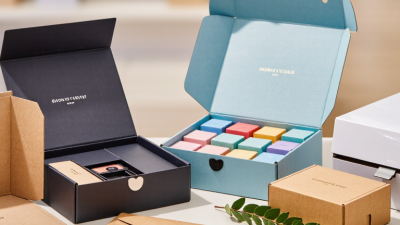
Personalized boxes are cartons tailored to a buyer’s needs, with options such as custom dimensions, printed colors, logos, or product-specific inserts. Wholesale buyers use them to protect goods in transit, distinguish product lines, and create a consistent unboxing experience across large orders. A ceramics wholesaler, for example, might specify snug inserts and clear handling marks; an apparel supplier may prefer a slim mailer with a seasonal design. Keep it practical. The box still needs to stack, ship, and open easily.

Personalization works best when it solves a clear problem. McKinsey’s 2023 global packaging research found that 60–70% of surveyed consumers said they would pay more for sustainable packaging, a preference that can inform material choices alongside print design. Accenture’s 2018 personalization research found that 91% of consumers were more likely to shop with businesses offering relevant recommendations; that finding covers personalized experiences broadly, not boxes alone. That distinction matters. For wholesale buyers, test a small production run before committing to a large order. Check print consistency, insert fit, carton strength, and the delivered cost per unit. A striking design can still disappoint if it slows packing or adds unnecessary material. I’d treat first-run feedback as useful evidence, not proof that every buyer wants the same box.

China Top Personalized Boxes Manufacturers for Wholesale Buyers - What Personalized Boxes Are and How Wholesale Buyers Use Them

Personalized boxes are packaging customized with elements such as printed artwork, colors, logos, product information, or structural features. Size examples below are illustrative formats, not universal industry standards; buyers should confirm internal dimensions and product fit with their supplier.

Packaging Option Common Materials or Structure Illustrative Size or Specification Personalization Choices How Wholesale Buyers Use It Practical Buying Considerations
Folding carton Paperboard carton supplied flat and folded into shape; common grades include solid bleached sulfate and recycled paperboard. Example internal dimensions: 150 × 100 × 50 mm (about 5.9 × 3.9 × 2.0 in). Printed panels, product details, color schemes, windows, coatings, and inserts. Retail products such as cosmetics, small accessories, packaged foods, and consumer goods. Confirm board grade, food-contact requirements where relevant, closure style, and whether an insert is needed to hold the item.
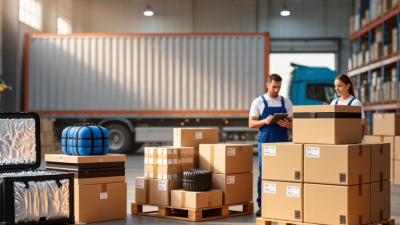
Corrugated shipping box Corrugated fiberboard made with a fluted medium between linerboard sheets; single-wall and double-wall constructions are common. Example internal dimensions: 300 × 200 × 150 mm (about 11.8 × 7.9 × 5.9 in). Printed exterior, shipping marks, branded tape, colored liners, and fitted dividers. Direct-to-consumer shipments, wholesale orders, subscription shipments, and protective transport packaging. Choose board strength and construction based on packed weight, stacking, handling, and shipping conditions. Verify whether quoted dimensions are internal or external.
Rigid setup box Thick paperboard wrapped with printed or decorative paper; commonly supplied assembled or nested, depending on design. Example internal dimensions: 220 × 160 × 70 mm (about 8.7 × 6.3 × 2.8 in). Wrap paper, foil details, embossing or debossing, magnetic closures, ribbons, and custom inserts. Gift sets, premium presentation packaging, electronics accessories, and limited-edition product kits. Rigid boxes take more space than flat-packed cartons during storage and transport. Ask about packed dimensions and protective packing for shipment.
Mailer box One-piece corrugated or paperboard design with folding flaps; often closes without a separate shipping carton for suitable products. Example internal dimensions: 250 × 180 × 80 mm (about 9.8 × 7.1 × 3.1 in). Inside and outside printing, custom inserts, printed messages, and coordinated tissue or labels. E-commerce orders, onboarding kits, subscription boxes, and promotional bundles. Test the packed box for fit and closure. Fragile goods may require cushioning or an additional outer shipping carton.
Display box Paperboard or corrugated construction designed to present products on a counter or shelf; may include a tear-away cover. Size depends on the product count and display footprint; specify the assembled dimensions and number of units held. Retail graphics, product panels, shelf-ready openings, dividers, and printed instructions. Retail promotions, point-of-sale displays, and multipacks for stores or distributors. Check shelf dimensions, loading method, display stability, and whether the box must also protect products during transport.
Custom insert Paperboard, corrugated board, molded fiber, or foam selected to suit product shape and protection needs. Designed around the product and its box; dimensions should be checked against product tolerances. Die-cut compartments, product supports, printed labels, and material or color selection. Keeping multiple items organized and limiting movement inside gift sets, kits, or shipping boxes. Provide product samples or accurate drawings. Confirm material compatibility, fit, and any recycling or disposal requirements.
Print and surface finish Printing may use processes such as offset or digital printing; finishes may include aqueous coating, varnish, or lamination. Artwork should match the supplier’s dieline and include the specified bleed, safe area, and color requirements. Full-color artwork, spot colors, matte or gloss effects, and selected decorative treatments. Creating a consistent visual identity across product lines, seasonal packaging, and sales campaigns. Request a digital proof and, when color or finish is critical, approve a physical sample before production.
Wholesale order planning Production details vary by material, size, printing method, finishing, and factory equipment. Specify quantity by design and size, plus target delivery date and destination. Artwork files, packaging language, barcode placement, and carton markings can be defined before production. Planning recurring orders, product launches, and packaging for multiple stock-keeping units. Request a written quotation covering sample charges, production quantity, tolerances, packing method, lead time, and shipping terms; these details are supplier-specific.

How China’s Personalized Box Manufacturing Industry Operates

China’s personalized box manufacturing usually starts with a brief: box dimensions, product weight, artwork, quantity, and delivery schedule. A factory team may turn these details into a dieline, which shows where the board will be cut, folded, and glued. Buyers can compare paperboard, corrugated board, or rigid-board options based on protection, appearance, and shipping needs.

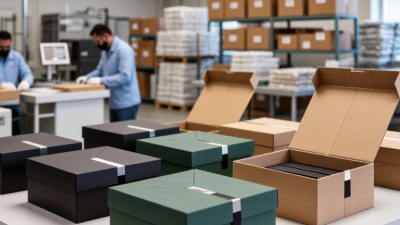
A physical sample helps reveal issues that a screen cannot. Check the lid fit, corner wrapping, print alignment, and how the box feels when opened. Small flaws matter. Once a sample is approved, production typically moves through printing, surface finishing, cutting, and assembly. Quality checks may include measurements, color comparison, and inspection of glue joints. However, color can vary slightly between screens and printed stock, so agree on a physical color reference where accuracy is important.

For wholesale orders, ask how the supplier handles revisions, rejects, and packing before shipment. Request clear specifications and a written sample approval, rather than relying on verbal promises. Lead times depend on materials, order volume, and finishing steps. A tight deadline may be possible, but it can reduce time for corrections. This is an easy detail to underestimate.

Which Materials and Customization Options Manufacturers Offer

Wholesale buyers comparing personalized box manufacturers in China can choose from kraft paper, folding paperboard, corrugated board, and rigid box materials. Each serves a different purpose. Corrugated board adds cushioning for heavier shipments, while paperboard suits lightweight retail packaging. Rigid boxes feel substantial, but they take more storage space and usually cost more. Recycled-content paper is another option; ask for its specification rather than relying on a general label.

Customization can include size, structure, printed colors, surface finishes, and interior inserts. A manufacturer may offer matte or gloss lamination, foil details, embossing, or custom-cut compartments. These choices affect both appearance and production cost. A simple two-color print may be more practical than elaborate finishing for a large wholesale order. Request a physical sample with your intended material and artwork. Check whether folds crack, colors look consistent, and the box closes securely. Small details matter.

Not every option is worth choosing. A window may show the product, but it can reduce privacy and add cost. Ask for written material details, sample approval, and production tolerances before confirming quantities. Even then, samples cannot reveal every variation in a full run. That is worth remembering.

How to Evaluate Chinese Personalized Box Manufacturers

China Top Personalized Boxes Manufacturers for Wholesale Buyers

How to Evaluate Chinese Personalized Box Manufacturers

A polished catalog is only a starting point. Ask for a physical sample made with your intended paper, finish, and insert. Check whether the box closes evenly, the corners stay sharp, and printed colors match your approved artwork. Small details matter. Request specifications for board thickness, dimensions, and tolerances, so quotes can be compared fairly.

Ask who will manage production and which processes are handled in-house or by partners. Neither arrangement is automatically better, but clear answers reduce surprises. Request recent production photos, quality-control steps, and references from comparable wholesale orders. A sample proves possibility, not repeatable consistency. That distinction is easy to miss.

Discuss order quantities, tooling charges, lead times, packing methods, and what happens when defects are found. Ask for a written quotation that separates product, setup, and shipping costs. Verify business details and payment terms through independent channels, and consider a small trial order before scaling up. Keep communication specific: send a marked-up dieline, color references, and a checklist of acceptance points. If replies stay vague, pause. A rushed decision can cost more than a slower evaluation. I would still leave room for uncertainty; even a careful sample review cannot predict every production issue.

How Wholesale Buyers Can Compare Quotes, Samples, and Orders

Wholesale buyers comparing China-based personalized box manufacturers should normalize every quote before negotiating. Request identical dimensions, board grade, print coverage, finish, inserts, and packing methods. Ask suppliers to separate tooling, sampling, unit, freight, and inspection costs. Smithers’ 2023 report, The Future of Global Packaging to 2028, projects the global packaging market will reach about $1.2 trillion by 2028. Clear specifications matter in a market at that scale.

Compare like with like. A low unit price may exclude foil, color matching, protective export cartons, or setup charges. Request a pre-production sample using the intended paperboard and finish, not just a polished mock-up. Check corner strength, lid fit, color in daylight, and whether the insert holds the product during a gentle shake test. Tiny details matter. Record acceptance criteria and revisions in writing.

Then compare minimum quantities, lead times, defect allowances, replacement terms, and payment milestones. Request a dated schedule from artwork approval to dispatch, plus photos of packed cartons. Freight estimates should state the shipping mode and destination assumptions. I would not award the order on price alone; a sample cannot prove every production run, a limitation buyers can overlook. Consider a small pilot order when timing and budget allow.

✕
Get Free Instant Quote

    Questions? We can help.
    Contact a Packaging Specialist for product & pricing information.
    ❄
    ❄
    ❄
    ❄
    ❄
    ❄
    ❄
    ❄
    ❄
    ❄
    ❄
    ❄
    ❄
    ❄
    ❄
    ❄
    ❄
    ❄
    ❄
    ❄
    ❄
    ❄
    ❄
    ❄
    ❄
    ❄
    ❄
    ❄
    ❄
    ❄
    ❄
    ❄
    ❄
    ❄
    ❄
    ❄
    ❄
    ❄
    ❄
    ❄
    ❄
    ❄
    ❄
    ❄
    ❄
    ❄
    ❄
    ❄
    ❄
    ❄