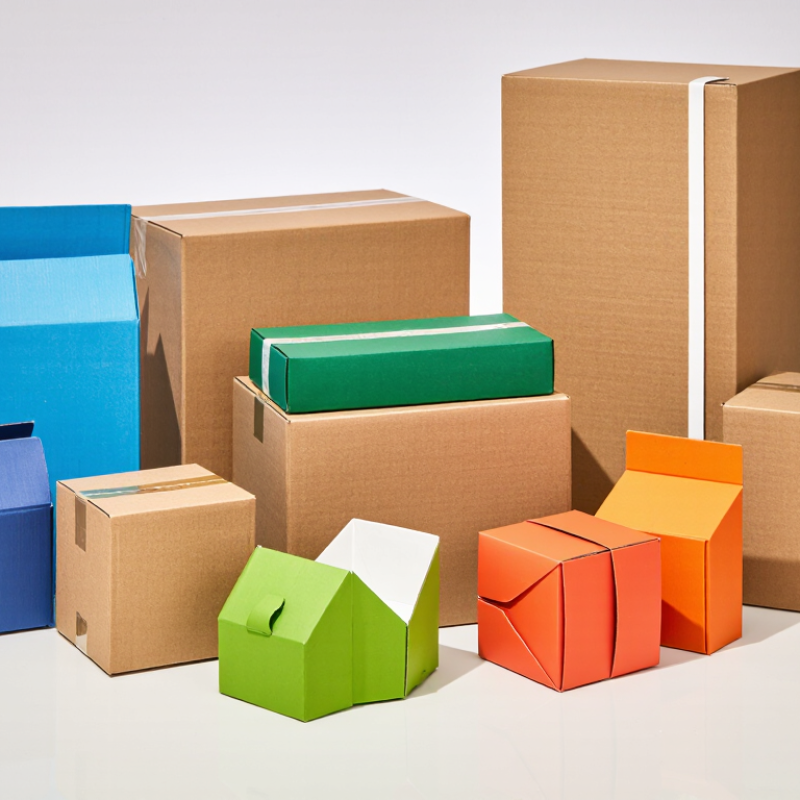
A curated selection of packaging products that fly off our shelves. Our customers love these bestsellers for their practicality and visual appeal, ensuring your products stand out and attract more buyers.
Choosing among the top packaging boxes manufacturers in China takes more than comparing prices or viewing polished product photos. A reliable supplier must turn a brief into a box that fits the product, protects its corners, and arrives with consistent printing. That sounds obvious. It is not always simple.
Packaging researcher Dr. Susan Selke’s work points to a practical question: “Does this box protect the product without using more material than necessary?” Treat that line as a working principle, not a verified verbatim quotation. It highlights a real trade-off: lighter board may reduce shipping weight, yet a box that crushes easily can create greater costs and waste.
This guide introduces manufacturers and explains what buyers should examine before requesting samples. Check board grade, flute profile, dimensions, print finish, and whether the factory can keep repeat orders consistent. Ask for a sample made to your specifications. Press the corners. Fold the panels. Compare the printed colors under ordinary warehouse lighting. Small checks matter.
Supplier claims deserve careful review. A factory’s website may show modern equipment, but photographs cannot confirm quality control or delivery performance. Request clear specifications, production samples, and written timelines. One point remains easy to overlook: the lowest quote may exclude tooling, special finishes, or protective inserts.
China offers a broad supplier base, but no manufacturer suits every order. The right match depends on product fragility, order volume, design needs, and communication. Use this overview as a starting point, then verify details directly with each shortlisted factory.
China’s packaging-box industry is part of a broad manufacturing network linking paper mills, printing plants, and converting facilities. The China Packaging Federation reported 9,832 large-scale packaging enterprises in 2023, with combined operating revenue of about RMB 1.155 trillion. Revenue fell 0.22% from the previous year. The figure covers multiple packaging materials, not boxes alone, so it should not be read as a direct measure of box sales.
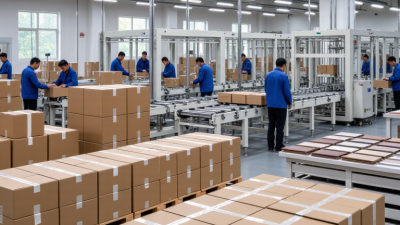
Paperboard remains an important input. The China Paper Association’s 2023 annual report recorded 129.65 million tonnes of paper and paperboard production nationwide. That scale supports a dense supply chain for corrugated board, folding cartons, and printed sleeves. On a factory floor, production may involve corrugating, die-cutting, folding, and gluing. Small changes in board moisture or print registration can affect how a carton stacks and looks. Samples can mislead.
For buyers, supplier assessment should go beyond a polished sample. Ask how the plant checks board strength, color consistency, and dimensions across repeat orders. Large production capacity does not automatically mean short lead times or reliable small batches. Industry-wide figures also hide substantial differences between regions and factories. That gap deserves attention.
Top Packaging Boxes Manufacturers in China
Main Types of Packaging Boxes Made in China
Packaging boxes made in China cover a wide range of materials and uses. Corrugated cartons protect heavier goods during transport, with fluted layers that help absorb knocks. Folding cartons are lighter and often used for retail products, while rigid boxes offer a sturdy, premium feel for gifts or delicate items. Kraft paper boxes provide a natural-looking finish, but their appearance and strength can vary with paper weight and coating.
Mailer boxes are designed to close securely without much extra wrapping. Their folded tabs can help prevent movement, though fragile items may still need inserts. For product displays, printed folding cartons allow clear labels and vivid colors. A good box is not just attractive; it should fit the item closely, stack well, and suit its shipping route. In practice, the cheapest option can become costly if damaged corners or excess material cause problems.
Tips: Request a sample before ordering. Check board thickness, folding accuracy, print color, and how the box handles a simple drop test. Share the product’s weight and dimensions with the supplier; guessing can lead to a poor fit.
Board thickness varies by material, flute profile, and product specification. The ranges shown are indicative typical values, not fixed industry standards.
Design begins with the product, its weight, dimensions, and how it will travel. A box for glass needs different cushioning from one for folded clothing. Designers map the interior, choose a board grade, and draw a dieline showing folds, tabs, and cutouts. Small details matter. A few millimeters can affect fit, assembly speed, and protection.
A physical sample comes before a large production run. Teams fold it by hand, check whether the lid closes cleanly, and look for weak corners. They may adjust the board thickness or add inserts after seeing how the product shifts inside. A mockup can still mislead; real products and realistic packing conditions reveal problems that drawings cannot. Then comes testing.
Once the structure is approved, printers prepare the artwork and check color, alignment, and coating choices. Production workers cut and crease sheets, fold them into shape, and inspect samples from the run. Practical checks include rubbing printed areas, checking glue seams, and measuring finished boxes. Humidity can change how paperboard behaves, so storage conditions deserve attention too. Not every design survives its first trial unchanged, and that is useful feedback rather than a failure.
Notable packaging-box manufacturers in China are best assessed by process control, not factory size alone. Smithers’ The Future of Global Packaging to 2028 projects the global packaging market will reach about US$1.3 trillion by 2028, reflecting sustained demand for reliable, adaptable packaging. For buyers, useful evidence includes board specifications, print-registration tolerances, and documented compression tests. A neat sample helps, but it cannot show whether a production run will stay consistent across thousands of boxes.
Check how the supplier handles the details: flute direction, corner strength, moisture variation, and protective inserts. Ask for a production sample made with the intended board grade, then compare its dimensions and print alignment with the approved proof. A low unit quote can look convincing; it may exclude tooling, inserts, or freight. That is easy to miss. I would also ask how defects are recorded and corrected, rather than relying on a general quality promise.
Tips: Request recent test records and confirm the box’s loaded weight and stacking conditions. Photograph sample measurements, including depth and panel alignment. If delivery timing matters, agree on sample approval and production milestones in writing. A glossy finish is not a substitute for sturdy corners.
When evaluating Chinese packaging box manufacturers, compare more than unit price. Request a specification sheet covering board grade, flute profile, dimensions, print method, and acceptable tolerances. Ask for a pre-production sample, then test it with your actual product. Check compression strength, stacking stability, and how the box handles humidity. Small details matter: a loose corner or weak bottom seam can damage goods in transit.
Verify quality controls with evidence, not promises. Ask how incoming paperboard is inspected, how often samples are checked during production, and whether test records can be shared. The OECD’s Global Plastics Outlook (2022) estimates that packaging accounted for 40% of global plastic waste in 2019. This figure concerns plastic waste, not paperboard boxes, but it makes coatings and mixed-material layers worth examining. Ask suppliers to identify these materials and explain local recycling options. Claims need checking.
Production capacity deserves a closer look. Request recent lead-time records, defect rates, and the process for handling rejected batches. A polished sample proves little about repeatability. That is easy to overlook. If possible, arrange a factory audit or use an independent inspection before shipment. Compare quotes on the same basis, including tooling, packing, freight terms, and replacement policies. One point may remain unclear: stated capacity can differ from available capacity during peak season. Ask how the factory plans production when orders overlap, and request a realistic schedule in writing.
| Evaluation Dimension | What to Check | Evidence to Request | Suggested Weight |
|---|---|---|---|
| Product Quality and Consistency | Check board strength, dimensions, folding accuracy, adhesive performance, and consistency across production batches. | Production samples, written specifications, inspection records, and a pre-shipment inspection report. | 20% |
| Customization Capability | Confirm the supplier can meet requirements for box structure, size, inserts, finishes, and protective features. | Structural drawings, dielines, prototypes, and a sample approved against the final specification. | 12% |
| Materials and Construction | Verify paperboard or corrugated-board grade, flute type where applicable, thickness, and suitability for the product and shipping conditions. | Material specifications, board-composition details, and test results relevant to the intended use. | 12% |
| Printing and Finishing | Assess color consistency, registration, legibility, coating or lamination quality, and the finish of any special effects. | Printed samples, approved color references, and documented inspection criteria. | 10% |
| Production Capacity and Minimum Order Quantity | Check whether the supplier can handle the required order volume, repeat orders, and seasonal demand within the requested schedule. | Written capacity confirmation, production plan, stated minimum order quantity, and details of any subcontracted work. | 10% |
| Lead Time and Delivery Planning | Clarify sample development, production, packing, and dispatch timelines, along with how delays or changes are communicated. | A milestone-based schedule, delivery terms, and a documented process for order updates. | 10% |
| Pricing and Quotation Clarity | Compare quotes using the same specifications and confirm which costs are included, such as tooling, printing, packing, and freight. | Itemized quotation, currency and validity period, payment terms, and written details of additional charges. | 8% |
| Compliance and Quality Management | Check whether documented management systems and product-safety requirements are appropriate for the product and destination market. | Current certificates where applicable, audit information, and test or compliance documents relevant to the intended use. | 8% |
| Communication and Responsiveness | Evaluate how clearly the supplier answers technical questions, confirms specifications, and handles revisions. | Written responses, a named order contact, and records of specification changes and approvals. | 5% |
| Environmental Information | Review available information about recycled content, fiber sourcing, material choices, and waste-management practices. | Material declarations, relevant supporting documentation, and clear explanations of any environmental claims. | 5% |
| Total Suggested Weight | Use the weights to compare shortlisted suppliers against the same product specifications and evaluation process. | 100% | |
Suggested scoring: Rate each dimension from 1 (does not meet requirements) to 5 (fully meets or exceeds requirements). These weights are a practical comparison framework, not industry-standard ratings; adjust them to suit your product, market, and order requirements.