✕

Why Choose Printed Corrugated Boxes for Packaging?

Why Choose Printed Corrugated Boxes for Packaging?

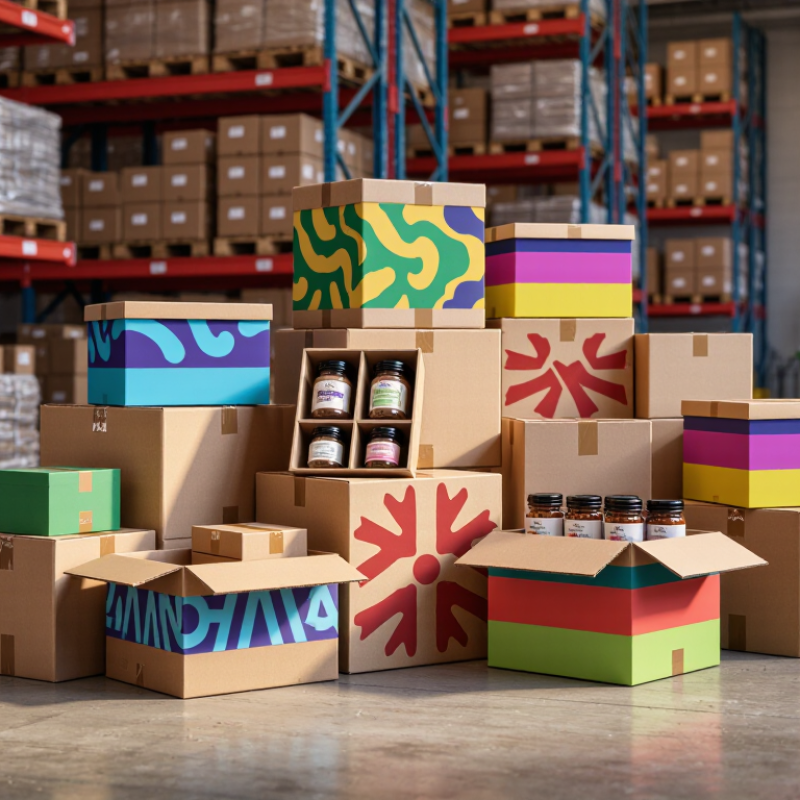
Packaging now carries more responsibility than protection alone. It must survive transport, communicate brand value, and reduce unnecessary material. Printed corrugated boxes address these needs with a practical balance of strength, visibility, and recyclability. Their fluted structure cushions products, while direct printing turns ordinary shipping cartons into moving brand messages. A clear logo on a warehouse box can still influence a customer’s final impression.

Industry data supports this shift. Smithers’ The Future of Global Corrugated Packaging to 2029 identifies continued growth in corrugated demand, driven by e-commerce, food delivery, and sustainability goals. The U.S. Environmental Protection Agency reported that paper and paperboard packaging achieved an 80.9% recycling rate in 2018, showing the material’s established recovery infrastructure. However, recycling performance varies by location, contamination, coatings, and collection access. The box is not automatically sustainable.

Walter Soroka, a recognized packaging author and educator, defined packaging as “the science, art, and technology of enclosing and protecting products.” That definition still matters. Good printed corrugated boxes protect glass jars, cosmetics, and subscription orders through rough handling and crowded delivery routes. They also support efficient stacking and right-sized shipping. Yet printing too much ink, using oversized cartons, or adding unnecessary laminates can weaken the environmental argument. Better decisions require testing, accurate sizing, and honest lifecycle thinking. A beautiful box is not always a responsible box.

Why Choose Printed Corrugated Boxes for Packaging?

How Printed Corrugated Boxes Combine 3–7 Paperboard Layers for Protection

Why Choose Printed Corrugated Boxes for Packaging?

Printed corrugated boxes can combine three, five, or seven paperboard layers. Three layers usually form single-wall board: two liners and one fluted medium. Five layers create double-wall board, while seven layers create triple-wall board. Each added structure can improve stacking strength and resistance to crushing. The fluted middle layer also creates small air spaces around the product. This matters when boxes face vibration, drops, or warehouse pressure.

Board selection should match the product, shipping distance, and stacking time. A heavier box is not automatically safer. Excess material can increase cost and transport weight. Practical packaging tests should measure edge crush, burst strength, vibration, and compression performance. Printed graphics add shelf visibility, but ink coverage must not interfere with folds, seams, or barcode reading. Small details often cause larger failures.

The Fibre Box Association reports that corrugated packaging represents a major share of U.S. containerboard consumption, reflecting its broad logistics use. The U.S. Environmental Protection Agency reported a 96.5% recycling rate for corrugated boxes in 2018. These figures support corrugated board’s established material recovery advantages, although recycling depends on local collection systems. In real operations, moisture remains a weakness. A well-printed seven-layer box can still lose strength in damp storage. That uncomfortable limitation deserves testing, not optimistic assumptions.

Why Choose Printed Corrugated Boxes for Packaging? - How Printed Corrugated Boxes Combine 3–7 Paperboard Layers for Protection
Board Structure Paperboard Layers Common Flute Combination Approximate Board Thickness Protection Characteristics Typical Packaging Applications Printing and Design Benefits
Single-wall board 3 layers: 2 liners and 1 fluted medium F, E, B, or C flute Approximately 0.8–4.0 mm, depending on flute profile Lightweight cushioning, stacking support, and resistance to bending and compression for everyday shipments Retail cartons, subscription boxes, dry goods, books, and general e-commerce orders Provides a broad printable surface for logos, product information, handling instructions, and color graphics
Single-wall E-flute 3 layers: 2 liners and 1 fine fluted medium E flute Approximately 1.0–1.8 mm Good surface flatness with moderate cushioning and improved resistance to panel deformation compared with folding carton paperboard Cosmetics, small electronics, gift packaging, food sleeves, and premium retail packs Fine fluting creates a relatively smooth print area suitable for detailed graphics and small text
Single-wall B-flute 3 layers: 2 liners and 1 fluted medium B flute Approximately 2.5–3.2 mm Balanced puncture resistance, cushioning, and stacking strength for medium-duty packaging Glassware, canned products, appliances, footwear, and standard shipping cartons Offers a practical balance between graphic quality, board rigidity, and efficient material use
Single-wall C-flute 3 layers: 2 liners and 1 fluted medium C flute Approximately 3.5–4.0 mm Greater cushioning and vertical compression performance than finer flute profiles Large retail packs, household goods, produce containers, and shipping boxes requiring added protection Supports large printed panels while providing a strong structure for warehouse stacking and transport
Double-wall board 5 layers: 3 liners and 2 fluted mediums BC, BE, or EB flute combinations Approximately 4.5–7.5 mm Higher stacking strength, puncture resistance, and cushioning than single-wall board Heavy products, furniture components, industrial parts, bulk shipments, and long-distance distribution Allows printed outer liners while the multi-layer structure provides additional protection against compression and impact
Triple-wall board 7 layers: 4 liners and 3 fluted mediums Combination of coarse and fine flute profiles, such as BC or triple-flute constructions Often approximately 10–15 mm, depending on the selected flute profiles and paper grades Very high load-bearing capacity, impact resistance, and stacking performance for demanding distribution conditions Machinery, automotive components, large appliances, export crates, and heavy industrial products Provides a printable outer surface while reducing the need for separate protective materials in heavy-duty packaging
Printed outer liner Used with 3-, 5-, or 7-layer corrugated structures Board structure selected according to the required protection level Determined by the underlying corrugated board Maintains the mechanical protection of the corrugated board while presenting a finished exterior appearance Branded shipping cartons, retail-ready packaging, promotional packs, and product launch packaging Supports flexographic or lithographic printing for identification, instructions, barcodes, graphics, and shelf presentation
Technical note: Board thickness and performance vary with flute profile, paper basis weight, moisture exposure, box dimensions, joint design, and stacking conditions. The layer count refers to the combined liners and fluted mediums: 3 layers for single-wall, 5 layers for double-wall, and 7 layers for triple-wall corrugated board.

How Flexographic Printing Supports Up to 6–8 Colors on Corrugated Boxes

Why Choose Printed Corrugated Boxes for Packaging?

Flexographic printing makes corrugated boxes more expressive without adding a separate label. Modern presses can support six to eight colors, depending on board grade, ink coverage, and press configuration. Typical combinations include CMYK, two spot colors, and a white or protective coating. The process uses flexible plates and anilox rolls to transfer controlled ink layers at production speed. It suits retail graphics, shipping instructions, and strong color identification.

Color control matters. A recycled liner may absorb ink differently from a coated liner, creating softer edges or darker solids. Experienced converters check moisture, flute direction, registration, and ink density before approving a run. Six colors do not guarantee six perfect colors. That assumption deserves review.

Smithers’ The Future of Global Corrugated Packaging to 2028 places the worldwide market above 200 billion dollars in 2023, showing the scale of demand for printed transport packaging. FEFCO’s 2023 European industry statistics report more than 48 billion square metres of corrugated packaging production. At this volume, efficient inline flexography can reduce extra labeling steps and support consistent carton identification.

There is a practical limitation. Direct printing on corrugated board cannot always match the smooth detail of premium paper. Fine text may weaken on an open flute surface. A useful proof should be made on the actual board, not only on a screen. Small registration shifts can still appear. That is where careful testing matters.

How 32 ECT and 200# Test Ratings Measure Box-Compression Strength

Printed corrugated boxes can protect products and carry clear handling information. However, attractive graphics do not prove structural performance. For compression planning, two ratings require careful attention: 32 ECT and 200# test. They measure different properties.

A 32 ECT rating means the board resisted 32 pounds of force per inch during an edge crush test. The test compresses the flute edge until it buckles. This rating helps estimate stacking strength, especially for uniform cartons stored on pallets. Box size, flute direction, score lines, and moisture still affect the result. A larger box may lose strength faster than expected.

The 200# test, commonly called the Mullen burst test, measures the pressure needed to rupture the combined board. It reflects resistance to punctures and rough handling, not direct stacking compression. A 200# board may perform well when sharp contents press against the carton, but it does not automatically equal a 32 ECT box. Do not compare the numbers as if they use the same scale.

In practical testing, place printed cartons under realistic loads, with the same product weight and pallet pattern. Check them after exposure to humidity, because wet fibers weaken quickly. Heavy ink coverage or coatings can also complicate folding and scoring. A neat rating can still mislead. Measure the real load. Minor design changes sometimes improve performance more than heavier board, though that assumption deserves testing.

How Corrugated Packaging Achieves Over 90% Recovery in Mature Recycling Systems

Why Choose Printed Corrugated Boxes for Packaging?

Printed corrugated boxes combine protection, communication, and efficient material use. Their fluted paper structure cushions products while keeping the package relatively light. Clear printing can show handling instructions, product details, and disposal guidance without adding separate labels. In practical packaging audits, the box often replaces several smaller communication materials.

The stronger argument is recovery. In mature recycling systems, corrugated packaging can achieve recovery rates above 90%. This result depends on collection access, sorting capacity, and consistent consumer behavior. After collection, flattened boxes move through balers and paper mills. Water separates the fibers, while screens remove staples, tape, and other unwanted materials. The recovered fiber can then support new paper-based products.

Keep boxes dry and reasonably clean. Food residue, heavy coatings, and plastic attachments can reduce fiber quality. Printing is usually compatible with recycling when suitable inks and coatings are selected, but “recyclable” does not mean endlessly recyclable. Fibers shorten after repeated processing. That limitation deserves attention. A smaller box, accurate sizing, and restrained ink coverage may reduce material use before recovery even begins. The system works well, but it is not automatic. When a damp box sits beside a full bin, good design alone cannot save it.

How Custom Printing Reduces Labeling Steps and Supports Efficient Brand Logistics

Printed corrugated boxes turn the outer pack into a working logistics document. Product codes, handling marks, destinations, and recycling instructions can be printed directly on the board. This reduces separate label application, manual scanning, and relabeling at dispatch. The 2024 Smithers market report estimates global corrugated packaging demand exceeded 200 billion dollars in 2023. Even small process improvements matter at that scale.

Custom printing also supports shorter fulfillment routes. A warehouse can identify a carton from a clear side panel, even when boxes are stacked tightly. Variable artwork can match regional stock, seasonal products, or different delivery channels. PMMI’s 2024 packaging automation research shows that labor efficiency remains a major investment driver for packaging operations. Fewer labeling steps can reduce handling time and misplaced labels.

Not always.

The practical gains depend on disciplined artwork control. A wrong barcode printed on every carton creates a larger problem than one bad sticker. Packaging teams should verify print contrast, scanning distance, ink resistance, and carton orientation before full production. I have found that simple layouts often perform better in dusty warehouses. Printed corrugated boxes can lower consumable use, but they do not remove the need for inspection.

Errors become permanent.

✕
Get Free Instant Quote

    Questions? We can help.
    Contact a Packaging Specialist for product & pricing information.
    ❄
    ❄
    ❄
    ❄
    ❄
    ❄
    ❄
    ❄
    ❄
    ❄
    ❄
    ❄
    ❄
    ❄
    ❄
    ❄
    ❄
    ❄
    ❄
    ❄
    ❄
    ❄
    ❄
    ❄
    ❄
    ❄
    ❄
    ❄
    ❄
    ❄
    ❄
    ❄
    ❄
    ❄
    ❄
    ❄
    ❄
    ❄
    ❄
    ❄
    ❄
    ❄
    ❄
    ❄
    ❄
    ❄
    ❄
    ❄
    ❄
    ❄