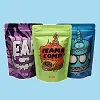
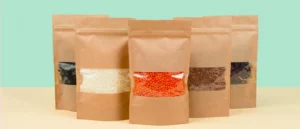
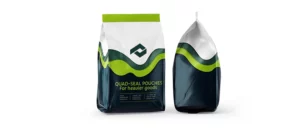
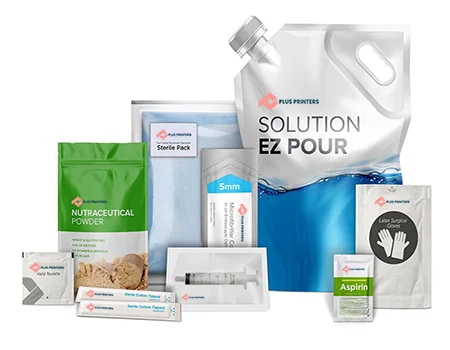
A curated selection of packaging products that fly off our shelves. Our customers love these bestsellers for their practicality and visual appeal, ensuring your products stand out and attract more buyers.
Flexible packaging is changing the way that people store, transport, and sell products. Want to know what is flexible packaging? Well it is lightweight, flexible, and customizable, making it extremely versatile for businesses and consumers. In contrast to rigid packaging, flexible materials of pouches, bags, and films can mould to nearly any shape or size. This has made them ideal for pretty much everything from foods and beverages to healthcare.Although sustainable packaging alternatives offer convenience. But it is also helping industries move toward sustainability by providing recyclable and eco-friendly options.Â
An Insight to What is Flexible Packaging?
Durable flexible wraps is a packaging material that can easily bend and fold. It is adaptable and transforms itself to any size or shape without losing its integrity. You can get this lightweight packaging in different materials like plastic, paper, foil, or a combination of the foregoing. The purpose of this multi-layer packaging solution is to store products in many different industries. The best features of this packaging are that it is light in weight, and durable. Plus, this packaging gives your product a tight seal against air, moisture, and dirt.
 Key Characteristics
People often donât understand what flexible packaging is? This packaging basically refers to any form of non-rigid, stretchable container or material used in the protection of a product. Among the necessary characteristics of flexible custom packaging are:Â
Adaptability: the shape can be pouches, bags, or even a wrap,Â
Lightweight: It makes it easy to transport and store compared to rigid alternatives,
Customizable: You can easily customise your packaging with any designs, colours, and brands
Protective: It offers an excellent shield to its content from water, light, and air.
Gree Packaging Option: It offers the most sustainable options with its recyclable and biodegradable materials.
How Flexible Packaging is Different from Rigid Packaging?
Flexible and rigid packaging are two similar, but very different approaches toward the protection and storage of products. Durable flexible wraps are indeed very light in weight, versatile, and easy to store, whereas rigid packaging is sturdier and more traditional. Understanding these differences helps businesses make choices based on the needs of a given product.Hereâs a quick comparison to help you see the key differences between flexible and rigid packaging at a glance:
Feature
Flexible Packaging
Rigid Packaging
Material
Soft plastics, paper, foil
Glass, metal, hard plastic
Weight
Lightweight
Heavier
Shape and Size
Adjustable, fits any form
Fixed and predefined
Space Efficiency
Occupies less storage space
Bulkier requires more space
Cost
Generally lower production costs
Higher material and shipping costs
Durability
Flexible but may puncture under stress
More durable but prone to cracking
Brief History and Evolution of Flexible Box Packaging
Flexible custom packaging traces its origination back to the 19th century. It began with the introduction of paper-based pouches and wax coatings. However, it only picked up in the 20th century with plastics and aluminium foil development.
1920s-1930s: Introduction of cellophane for food packaging.
1950s: Creation of polyethylene and laminated films for stronger and resealable packaging.
1970s: The increase of aluminium foil-based flexible box packaging for food preservation.
1990s: Printing directly to flexible materials became possible due to technological advancement, thus providing better branding opportunities.
2000s-Present: Focus on sustainability led to the use of recycling Flexible packaging like biodegradable film compostable material usage and less plastic consumption.
Latest TrendsÂ
In the 21st Century, flexible or efficient packaging choices are constantly evolving with innovations like smart packaging. You can see a dynamic shift of brands and consumers towards recyclable materials. Barrier technology is another step towards creative alternatives to lightweight packaging. It offers endless possibilities for industries worldwide.
What Materials Go into Flexible Packaging?
It is very important to choose the right material so you can make sure that smart packaging is serving its purpose. Each material brings out a unique aspect. You can see that every material has a different nature in durability, flexibility, and protection quality. The choice depends on the product, storage condition, and environmental objectives. Such choice has an impact on product safety, shelf life, and overall sustainability.
Plastics: PE, PP, PET, PVC, etc.
Due to its strength and toughness with low weight, plastics are largely used in Durable flexible wraps. Polyethylene is excellent for moisture, polypropylene provides strength as well as clarity. PET is used because of good barrier properties and PVC for flexibility in some applications.
Paper: Kraft Paper, Coated Paper, Laminated Paper
Paper is an environmentally friendly material in this light weight packaging. The kraft paper is robust and best suited for natural appearance packs. The coated paper provides a moisture barrier to the material, which makes it ideal for food items. The laminated paper combines layers to enhance its strength and protect it from grease and liquids.
Foil: Aluminum Foil and Its Applications
Aluminium foil is one of the best materials for protection against light, air, and moisture. This flexible material is widely applied in food packaging in snack pouches to preserve the freshness of items. Its flexibility and durability make it suitable for long shelf life applications.
Multi-Layer Constructions
Multi-layer packaging combines materials such as plastic, paper, and foil. Together, these materials create specialised packaging solutions. This characteristic can give brands the best of all worlds, meaning strength, flexibility, and strong protection. Experts create these layers by keeping specific product needs in mind, so they can provide excellent protection. This material is usually used for fresh and durable products like food.
Types of Flexible Packaging
Efficient packaging choices encompasses a wide diversity of forms. So, it offers versatility in presenting different products and industries. It ensures that businesses realise diverse consumer demands, product safety, and shelf appeal. The lightweight nature and creative design lower its costs but increase sales because of its creative aspects. This assures businesses can package their products in efficient and attractive ways.
Pouches
Pouches are one of the most commonly used flexible packaging designs. They are protective, lightweight, and easy to store. The fact that they can stand up on shelves or lay flat makes them versatile for retail use. Businesses love pouches because they give a premium look and keep the content fresh and secure.
Stand-up Pouches
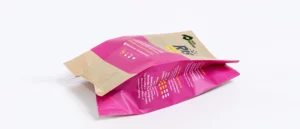
These pouches have a stable base and are thus perfect for retail shelves. They are ideal for snacks, pet food or liquids. Due to its large surface area, there is plenty of space for branding and informational purposes.
Flat Pouches
Flat pouches are very compact and light. They are ideal for single-consumption products such as spices, dried foods, or wipes. Because of their design simplicity, these offer a lower cost to the manufacturers.
Spouted Pouches
These pouches come in handy for liquids such as sauces, drinks, and detergents. The spout is highly convenient for pouring and resealing. It is consumer-friendly and reduces mess and waste as well.
Bags
Bags are flexible, strong, and available in a variety of styles. They are generally used for large quantities or smaller amounts. Businesses can count on bags to provide consumers with ease of use while shielding the product from moisture, air, or contaminants.
Zipper Bags
They are reusable and re-sealable, and their common usage is for snacks, cereals, household items, and so on. Consumers like how easily their content stays fresh after opening.
Gusseted Bags
Gusseted bags stretch for more volume. They are widely used for coffee, baked goods, and pet food. With this style, functionality meets aesthetic quality.
Vacuum-Sealed Bags
Vacuum-sealed bags create a longer shelf life since all the air is removed. They are commonly used in food packaging, especially meats and cheese. This even saves storage space.
Films and Wraps
Films and wraps provide light, pliable packaging. They are highly used for wrapping single items or bundling together small items. These materials preserve products with minimal packaging.
Cling Films
Cling films tightly seal food items, keeping them fresh. Theyâre often used in grocery stores and kitchens for wrapping produce or leftovers.
Shrink Wraps
Shrink wraps give the item a tamper-proof seal. They are, for example, made to bundle such products as beverages, and others with fragile goods.
Sachets and Packets
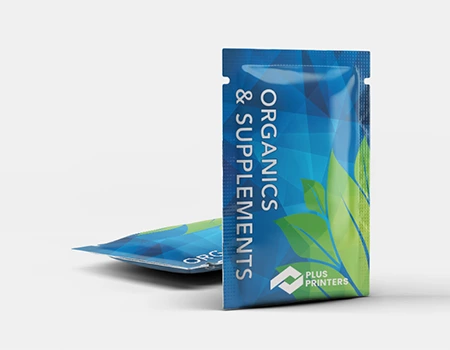
Sachets and packets are compact, single-use pack types. They are ideal for product lines such as spices, condiments, personal care products. Low cost and convenience make them the favourite of businesses to operate portion controls.
New Design Options and Innovative Packaging Formats
Custom designs make flexible packaging near me unique. They allow the business to stand out with special shapes, colours, and features. Formats like resealable pouches or dual-compartment packs provide increased convenience, which attracts more and more consumers-thereby driving brand recognition and customer loyalty.
Advantages of Flexible Packaging
These efficient packaging choices changed the world of product packaging and delivery, introducing the right mix of functionality, efficiency, and sustainability. Some properties make it ideal for application in various industries-say, from food and beverages, to pharmaceuticals and cosmetics. And the list of benefits does not end there:
Versatility
Lightweight and space-saving
Cost-efficiency
Durability and protection
Customizability
Sustainability
Applications Across Industries
Flexible packaging is found in many industries because of its versatility, durability, and sustainability. It caters for a wide range of products, protects contents, and features innovative designs specifically adapted to specific needs to ensure efficiency and appeal.
Food and Beverage
For use with snack bags, frozen food pouches, and coffee packaging, keeping the food fresh and enhancing shelf appeal with convenient portability for consumers, ensuring each time that the product consumed is a premium one.
Health care
Frequently used for medicine blister packs, medical wraps, and IV bags. It is sterilizable, secure, and durable enough, adhering strictly to the general standards of caring for sensitive items in medical premises or during transportation.
Personal Care
For shampoo sachets and cosmetic pouches. Portable, premium look with security against leaks, ensuring its use for easy portability and a neat, elegant look to appeal to customers.
Retail
Comes in flexible mailers and is also used for e-commerce shipping solutions. It serves to save on shipping, protect freight against damage during transit, and provide a better unboxing experience for the consumer, leaving a lasting impression of the brand.
Agriculture
 Fertiliser bags and seed packets. Ensures durability and protection against moisture, sunlight and handling damage. Farmer’s skills are sustained in ensuring quality and integrity are maintained in agricultural products.
How Technological Innovation Shape Flexible Packaging?
Technology makes flexible wraps stronger, smarter, and more customer-friendly. New printing methods, better barriers, and smart features help brands protect their products, connect with their customers, and stand out in a very competitive marketplace.
Improvements in Printing
Digital and rotogravure printing create sharper designs and bold colours. Such methods allow brands to make unique and attractive packaging while easily keeping pace with what their customers want and need in the marketplace.
Innovations in Barrier Technology
Reinforced barriers prevent moisture, air, and UV light to preserve the freshness of products and allow them to be delivered safely. These innovations are excellent for food, healthcare, and cosmetics, cut down on wastage, and increase quality.
Smart Packaging Solutions
RFID and QR codes and temperature indicators allow packaging to be interactive and secure. They follow shipments, engage customers, and ensure products arrive safely.
Challenges of Flexible Box Packaging
There are several benefits that flexible packaging brings along with it. Companies still face challenges with this type of packaging, from recycling to customer concerns.
Recycling Complexities
Multi-layered materials complicate recycling. Companies aim to come up with a single-material alternative, easier to recycle and have less environmental impact.
Consumer Perception
Some consumers believe flexible box packaging is not environmentally-friendly. Clear communication about sustainability efforts helps build brands, giving room for altering perceptions.
Cost of Innovation
New technologies and materials are expensive. Businesses need to balance innovation with affordability to stay competitive and eco-friendly.
How to Make Your Flexible Custom Packaging Secure?
Secured packaging is crucial for maintaining product quality and winning customer confidence. The following are some steps in keeping your flexible personalised packaging safe and reliable.
Use Durable Materials
First thing first, never compromise on the quality material selection for custom packaging. High-quality, multi-layer films increase chances of resisting punctures, moisture, and environmental harm.It impress customers by showing them your commitment to excellence.
Apply Strong Sealing
Proper sealing methods, such as heat seals or resealable zippers, prevent leaks and tampering. It is important that you use solid adhesive for your packaging no matter which form they are in.
Test Under Real Conditions
Subject the package to extreme temperatures, humidity, or rough handling to test durability.Proper Storage: Store the packaging in a cool, dry place. Avoid damage from heat or moisture in storage.
Add Security Features
Use tamper-evident seals or put QR codes for authenticity and extra security. It will assure your customers that their packaging is not tempered. With these guidelines, you can add integrity, safety, and reliability to your flexible custom packaging. It makes your brand more reputable and trusted. The reason is that it always delivers expectations from your customers.
Conclusion
Flexible packaging has the features of flexibility, durability, and potential for eco-friendliness. This defines what is flexible packaging? Adaptable options solve current packaging challenges while giving businesses smarter and cost-effective options. As industries are making their way toward sustainability, custom packaging is moulding the future of responsible packaging.Join the movementâdiscover how flexible packaging can take your products and business to the next level today!
I have been working with several companies - trying to nail down a box size and type for my organic tea business. Chris Martin was the ONLY rep in all of the companies I reached out to who was responsive, helpful, and walked me through the entire process. It was an absolute pleasure to give my small business dollars to Plus Printers! I will provide another review after I receive my custom product!
Chris Martin was so helpful and responsive! We needed custom folders made and looked at various different companies, but Plus Printers ended up offering the best quality and price. This was our first time ordering, but Chris guided us through every step and even sent us videos of sample folders and mockups of our final product so we could proceed with confidence. Thank you Chris and Plus Printers, we will definitely re-order when we run out of this batch.
Company
replied
We are very pleased with our packaging design! It was great working with Steven, I almost didn't work with Plus Printers because of their pricing but Steven went out of his way to try and negotiate prices with the sales department to fit our budget and offered us more budget-friendly packaging options as alternatives. Very responsive to my emails and made sure that our designs were how we wanted them! I look forward to working with them again soon!
wonderful service from a company that went beyond expectation to help my project get up and running smoothly. My sales rep, Paul, and the design team at Plus Printers made sure to have every detail in place and gave me a quote other companies could not touch! Lead times were accurate and updates for shipping were by far the most stellar i have yet to see. Thanks a milion!