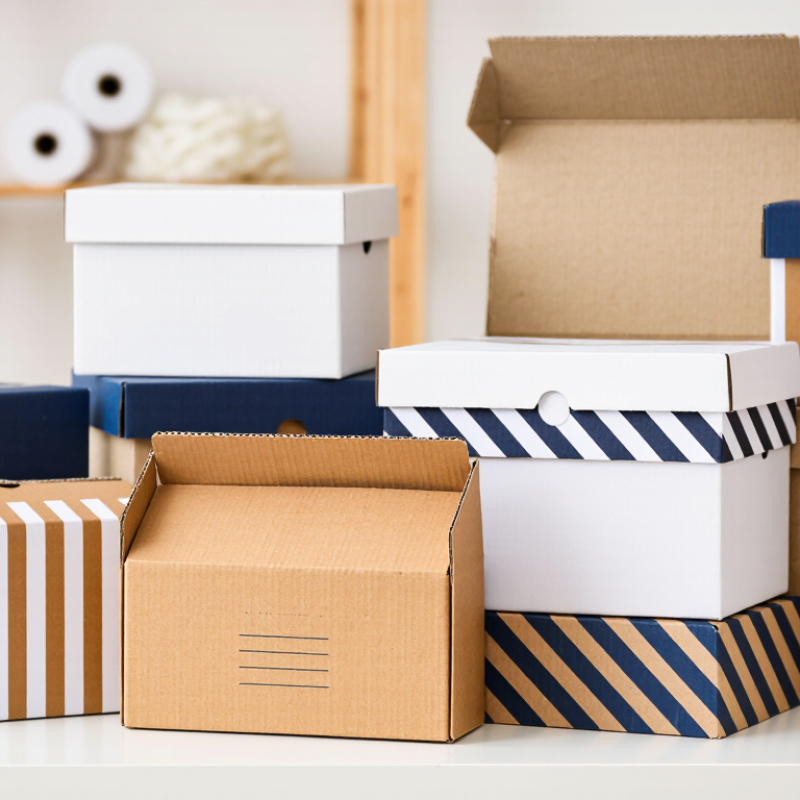
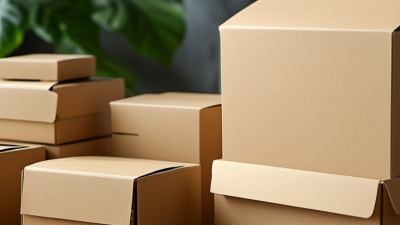
A curated selection of packaging products that fly off our shelves. Our customers love these bestsellers for their practicality and visual appeal, ensuring your products stand out and attract more buyers.
The China Top 10 Printed Mailer Boxes Suppliers guide begins with a simple market reality: packaging now travels as part of the customer experience. Pitney Bowes recorded about 159 billion parcels worldwide in 2022. Its Global Parcel Shipping Index expects volume to approach 256 billion by 2027. More parcels mean more demand for strong, attractive, and efficient printed mailer boxes.
Smithers’ e-commerce packaging research highlights lightweight materials, recyclable structures, and automated fulfillment as major industry priorities. McKinsey’s packaging studies also show that consumers increasingly notice sustainability claims. However, appearance alone cannot prove responsible sourcing. A glossy box may still waste material. That detail deserves closer attention.
Packaging strategist Adam Peek describes packaging as “the silent salesperson.” The phrase is simple. It captures the box’s role well. A printed mailer box can protect a ceramic cup, present a skincare set, or create a memorable unboxing moment. Its value depends on more than color accuracy. Board strength, flute design, ink safety, printing consistency, minimum order quantity, and delivery reliability all matter.
This China Top 10 list evaluates suppliers through those practical standards. It considers factory experience, customization capability, export performance, quality control, and communication. Supplier rankings are never perfectly objective. A small workshop may offer sharper service than a larger manufacturer. A low quote may hide higher shipping costs or weaker inspection procedures. Buyers should verify samples, certifications, production capacity, and current lead times before ordering. The best supplier is not always the cheapest. It is the one that protects the product, supports the brand, and performs consistently at scale.
Printed mailer boxes are folding paperboard packages with graphics printed directly on their outer panels. They usually include tuck flaps, dust flaps, and locking tabs. Unlike ordinary shipping cartons, they combine product protection with visible brand communication. A customer may notice the box before opening the product. That opening moment matters.
For online sellers, the box must survive stacking, vibration, moisture, and repeated handling. Material selection should match product weight and shipping distance. A corrugated mailer may suit heavier items, while folding carton mailers fit lightweight goods. Printers should confirm board grade, flute structure, ink performance, and color tolerances before production. Small samples can reveal weak corners or inaccurate colors. These checks support reliable purchasing decisions.
Printed mailer boxes also improve storage and fulfillment efficiency. A flat-packed design saves warehouse space, while clear artwork can reduce packing errors. From practical packaging projects, I have found that attractive printing cannot repair poor dimensions. A lid that closes unevenly often causes damage, delays, or customer complaints. There is another limitation. Highly detailed graphics may look excellent on screen but lose contrast after printing. When comparing Chinese suppliers, request physical proofs, test reports, and measurable quality standards. My own preference is to test small batches because a perfect sample can still hide production variation.
Anonymized supplier capability benchmark based on commonly available printed mailer box specifications in China.
| Rank | Anonymized Supplier Profile | Typical Board Material | Printing Capability | Common Box Style | Typical MOQ | Indicative Production Lead Time | Suitable Applications | Key Selection Advantage |
|---|---|---|---|---|---|---|---|---|
| 1 | Profile A – High-Volume Kraft Specialist | Recycled kraft corrugated board, commonly E-flute or B-flute | Flexographic or offset-printed liner; 1–4 colors | Self-locking roll-end mailer | 1,000–5,000 pcs | 12–20 working days | Subscription products, apparel, household goods | Efficient for repeat orders and standardized sizes |
| 2 | Profile B – Premium Offset Printing Specialist | White-top kraft or coated paper laminated to corrugated board | CMYK offset printing with optional spot colors | Rigid-style printed mailer with tuck closure | 500–2,000 pcs | 15–25 working days | Beauty, gifts, electronics accessories | High-quality graphics and accurate color reproduction |
| 3 | Profile C – Short-Run Digital Printing Specialist | Folding carton board or white kraft corrugated board | Digital CMYK printing with variable-data capability | One-piece mailer with dust flaps | 100–500 pcs | 7–15 working days | Start-ups, seasonal campaigns, product testing | Low setup cost and flexible artwork changes |
| 4 | Profile D – E-Commerce Packaging Specialist | E-flute corrugated board with kraft or white liner | Flexographic or litho-laminated full-color printing | Auto-lock mailer with tear strip | 1,000–3,000 pcs | 12–18 working days | Direct-to-consumer shipping and fulfillment | Designed for efficient packing, sealing and opening |
| 5 | Profile E – Sustainable Packaging Specialist | Recycled kraft board with water-based ink options | One- to four-color printing; low-odor ink options | Recyclable roll-end front-tuck mailer | 1,000–5,000 pcs | 15–25 working days | Organic products, apparel and eco-focused retail | Paper-based structure with reduced plastic components |
| 6 | Profile F – Luxury Finishing Specialist | High-density paperboard or laminated E-flute board | CMYK plus foil stamping, embossing or spot UV | Premium shoulder-style or magnetic-effect mailer | 500–2,000 pcs | 20–30 working days | Luxury gifts, cosmetics and premium accessories | Enhanced shelf appeal and unboxing experience |
| 7 | Profile G – Custom Structural Design Specialist | E-flute, B-flute or double-wall corrugated board | Flexographic and offset-laminated printing | Custom inserts, compartments or suspension features | 1,000–3,000 pcs | 18–30 working days | Fragile goods, kits and multi-item bundles | Better product protection through engineered interiors |
| 8 | Profile H – Fast Sampling Specialist | White kraft or standard kraft E-flute board | Digital proofing and short-run digital printing | Standard tuck-in mailer with optional tear strip | 50–300 pcs | 5–12 working days | Prototype validation and pre-launch sampling | Quick evaluation of size, artwork and fit |
| 9 | Profile I – Export Packaging Specialist | B-flute or E/B double-wall corrugated board | Flexographic or offset-laminated color printing | Reinforced mailer with strong locking panels | 2,000–10,000 pcs | 15–28 working days | International e-commerce and long-distance shipping | Improved stacking strength and transit protection |
| 10 | Profile J – Flexible Multi-Size Supplier | Kraft, white kraft or coated corrugated board | Digital, flexographic and offset printing options | Standard and custom mailer sizes with optional inserts | 500–5,000 pcs | 10–22 working days | Mixed product lines and multiple SKU programs | Good balance between customization, volume and cost |
Note: MOQ and lead-time figures are indicative industry ranges for comparable production types. Actual results depend on box dimensions, board grade, artwork complexity, finishing, order quantity and quality requirements.
When comparing China’s top 10 printed mailer box suppliers, begin with production evidence, not attractive websites. Request factory photos, equipment details, and a recent video call from the production floor. A reliable supplier should explain its paperboard grades, flute options, ink systems, and finishing methods clearly. Vague answers are warning signs.
Order a physical sample before discussing large volumes. Check the folding accuracy, print registration, edge strength, and adhesive performance. Place a small product inside the box. Shake it gently. Does the lid stay closed? Ask for testing data, including compression and moisture resistance, when shipping conditions require it. Confirm whether recycled content claims have supporting documents. Certificates alone are not enough.
Compare quotations line by line. Separate tooling, sampling, printing plates, packaging, inspection, and delivery charges. Ask how defects are recorded and replaced. Good suppliers usually provide a written quality standard with measurable limits. Communication speed also matters, especially when artwork changes. One practical mistake is judging quality from a perfect sample while ignoring mass-production controls. Request an approved pre-production sample and random inspection photos. Verify company registration, export experience, payment terms, and production capacity through independent records where possible. Some suppliers promise flexible customization, but their machinery may only support narrow size ranges. That detail can disrupt a launch.
China’s Top 10 Printed Mailer Box Suppliers should be assessed through evidence, not attractive catalogs. Smithers’ e-commerce packaging outlook projects annual growth of roughly 9% through 2028. Pitney Bowes recorded more than 161 billion parcels worldwide in 2022. This pressure increases demand for durable, lightweight, and visually consistent mailer boxes.
A practical top-ten shortlist should include suppliers with audited factories, documented quality systems, and clear material sourcing. Check FSC chain-of-custody records when responsible forestry claims matter. Request pre-production samples, not only digital artwork. Measure board thickness, edge crush strength, folding accuracy, and ink rub resistance. These details often expose weak production control.
Printed mailer boxes need more than attractive graphics. Supplier experience with CMYK, spot colors, matte coatings, and variable-data printing can reduce costly rework. Ask for compression-test results and carton specifications before approving mass production. ISO 9001 certification may support reliability, but it does not replace independent inspection. A ranking can still mislead. Some factories show strong samples but inconsistent repeat orders. Lead time, communication quality, and correction procedures deserve equal attention. My own preference would be a smaller, transparent supplier over a larger factory that avoids difficult questions.
This chart presents an editorial evaluation framework for comparing printed mailer box suppliers without displaying company or brand data. The percentage values represent the recommended importance of each purchasing criterion when assessing suppliers for custom packaging projects.
When comparing China’s top 10 printed mailer box suppliers, begin with measurable quality, not glossy samples. A strong box should show consistent dimensions, clean folding, sharp printing, and secure adhesive joints. Request test records for edge crush strength, bursting strength, and Cobb water absorption. ISO 2859-1 sampling plans can make inspection results more reliable.
A sample may look excellent. Production consistency matters more.
Pricing requires a complete cost comparison. Ask whether quotes include tooling, color plates, proofing, packaging, export cartons, and shipping terms. Compare the same box size, paper grade, ink system, and order quantity. Pitney Bowes reported 161.9 billion parcels worldwide in 2022, showing how quickly shipping demand can affect packaging costs. A cheaper unit price may become expensive after poor stacking or higher freight volume. I have seen buyers overlook this detail.
Customization should be tested in small batches. Check paper thickness, recycled content, print color tolerance, tear strips, inserts, and variable-data capability.
Smithers’ packaging market research expects global packaging demand to exceed one trillion dollars by 2028, increasing pressure for efficient and distinctive designs.
Ask suppliers for pre-production samples and inspection photos. Do not rely only on digital renders.
My own caution is simple: customization is valuable, but excessive features can weaken the box and slow production. A practical supplier explains these trade-offs clearly.
China Top 10 Printed Mailer Boxes Suppliers?
Choosing the right Chinese supplier requires more than comparing quotations. The 2023 Global Parcel Shipping Index reported about 161.8 billion parcels worldwide in 2022. That volume raises pressure on box strength, print quality, and delivery consistency. Request samples using your actual product dimensions. Check folding accuracy, paper weight, colour limits, and adhesive strength. Small gaps can become crushed corners during humid transit.
Ask for measurable production evidence. Useful indicators include edge crush test, burst strength, compression testing, and drop-test records. For export shipments, request testing aligned with ISTA procedures. Confirm whether the factory controls printing, die-cutting, gluing, and packing in-house. A supplier using several unknown subcontractors may offer a lower price, but traceability becomes weaker. That risk is easy to underestimate.
Sustainability also needs verification. The European Environment Agency reported that packaging waste remains a major share of municipal waste in Europe. Ask for recycled-content data, paper certificates, ink specifications, and shipment-level documentation. Review ISO 18601 packaging principles when discussing material reduction and recyclability. Do not trust attractive certificates alone. Call the issuing organization when practical. I have found that a beautifully printed sample can hide inconsistent board thickness. Build a pilot order with clear acceptance limits, inspection photos, and replacement terms. Price still matters. It should not be the only decision.