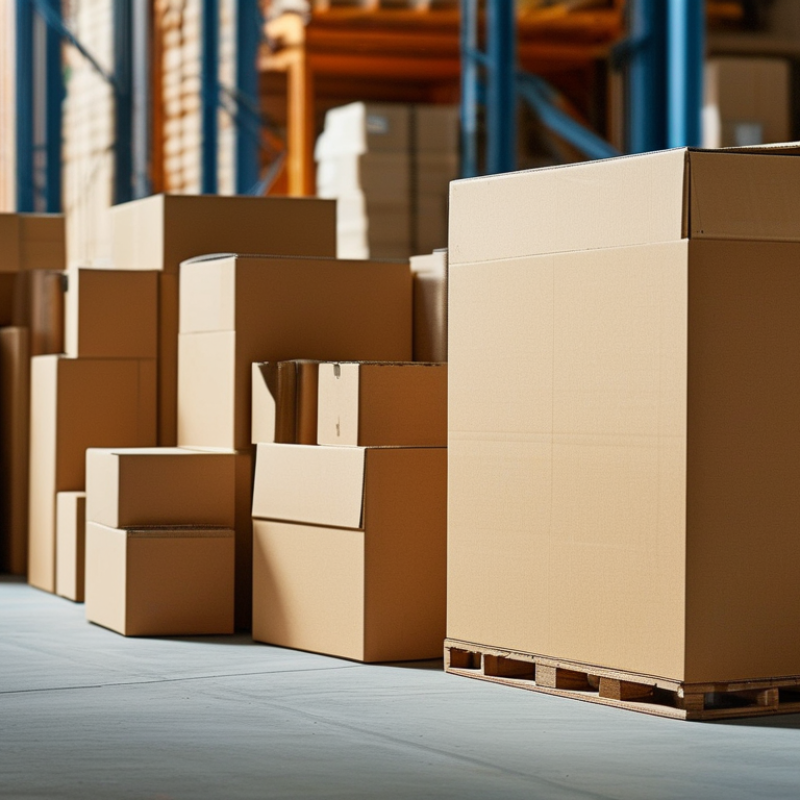
A curated selection of packaging products that fly off our shelves. Our customers love these bestsellers for their practicality and visual appeal, ensuring your products stand out and attract more buyers.
In the dynamic world of logistics, corrugated shipping boxes play a crucial role. As global trade continues to evolve, understanding trends in this packaging sector is essential for buyers. Experts believe that these trends will influence how products are transported worldwide.
Mark Thompson, a leading industry expert in sustainable packaging, states, "The next few years will see innovative designs in corrugated shipping boxes, driven by sustainability." This insight emphasizes the need for buyers to adapt to new environmental standards. As companies seek to minimize their carbon footprint, the demand for eco-friendly materials is rising.
With increasing pressure to reduce waste, corrugated shipping boxes are becoming more efficient. Companies are exploring lightweight designs that maintain durability. This shift not only enhances transport efficiency but also reduces costs. The landscape is changing rapidly, and buyers must remain informed to make strategic decisions. Embracing these trends can lead to better supply chain practices and customer satisfaction.
The rise of sustainable materials in corrugated shipping boxes marks a significant shift for global buyers. As environmental concerns gain prominence, approximately 70% of companies are prioritizing eco-friendly packaging. Research highlights that more than 50% of consumers are willing to pay a premium for sustainable packaging solutions. This trend reflects a growing awareness of the ecological footprint associated with traditional materials.
Biodegradable and recycled materials are now becoming the norm in the packaging industry. The use of recycled paper in corrugated packaging has surged by 20% in the past few years. Brands are increasingly opting for water-based inks and adhesives, reducing harmful chemical emissions. However, the challenge remains in balancing durability with sustainability. Some manufacturers struggle to maintain strength while shifting to greener options, which prompts ongoing innovation in the field.
This evolution in packaging is not without its challenges. The cost of sustainable materials can be higher, impacting profit margins. Additionally, supply chain disruptions can hinder the availability of eco-friendly materials. The industry must adapt continuously to meet both consumer demand and environmental standards. Understanding these dynamics will be crucial for global buyers as they navigate the complex landscape of sustainable packaging solutions.
In 2026, the corrugated shipping box industry is set to embrace innovative designs that enhance shipping efficiency. Companies are exploring new materials that reduce waste. Advanced engineering techniques are being applied to create lighter yet strong boxes. This not only cuts costs but also lowers the carbon footprint associated with transportation.
Some designs now feature modular systems that allow for easier stacking and organization. This change can streamline warehouse operations significantly. Improved sealing mechanisms also minimize product damage during transit. However, the challenge remains in balancing sustainability with durability. Continuous testing and feedback from users help refine these designs.
Retrofits are another approach gaining popularity. Older shipping systems are being updated with new design features. This strategy can save costs while maintaining existing infrastructure. As the market evolves, it's crucial to stay flexible and embrace new ideas. The goal is to create solutions that are not just efficient, but also mindful of environmental impacts.
As the demand for corrugated shipping boxes grows, technological advancements are driving innovations in the industry. Automation plays a vital role in streamlining the packaging process, allowing for faster production and reduced labor costs. Smart technologies are also being integrated into box production, enabling manufacturers to track materials and manage supply chains efficiently.
Sustainability remains a key focus. New materials are being developed that enhance the recyclability of boxes while maintaining durability. Innovative designs now minimize waste during the manufacturing process. This shift toward eco-friendly practices resonates well with global consumers who prioritize sustainability.
Tips for choosing corrugated boxes: Look for options that use recycled materials. Assess the box's durability based on its intended use. Understand your shipping needs to select the right size and type, ensuring efficiency and sustainability. These considerations shape how businesses approach packaging in a rapidly evolving market. As technology improves, expect ongoing changes that may redefine industry standards.
The demand for corrugated shipping boxes is rapidly evolving. As businesses seek more sustainable solutions, the emphasis on eco-friendly materials has increased. Global buyers are now prioritizing recyclable and biodegradable packaging options. This shift is driven by consumer awareness of sustainability issues and regulatory changes aimed at reducing plastic waste.
Innovative designs also play a significant role in market trends. Brands are looking for custom boxes that not only protect products during transit but also enhance the unboxing experience. Features like easy assembly and unique shapes are gaining traction. These elements can influence purchasing decisions, making the investment in custom designs worthwhile.
However, challenges remain. While demand for sustainable options rises, sourcing eco-friendly materials can be difficult. Suppliers must balance sustainability with cost-effectiveness. Not all buyers are willing to pay more for greener options. The push for innovation must also consider production capabilities. Striking this balance can lead to more thoughtful and effective packaging solutions in the future.
The corrugated box industry is facing significant regulatory changes. These regulations impact both production and shipping standards. Compliance with local and international guidelines is crucial. For instance, packaging must withstand various shipping conditions. Stronger regulations often mean increased costs for manufacturers. However, meeting these standards can lead to better customer trust.
Sustainability has become a key focus. Eco-friendly materials are now preferred. Regulations often push for recyclable and biodegradable options. This shift challenges traditional methods but also opens new opportunities. Companies must adapt to evolving consumer preferences and regulatory demands.
Quality control is under scrutiny as well. Ensuring that each box meets specific standards is essential. There are risks of supply chain disruptions if regulations are not followed. Companies might need to rethink their sourcing and production strategies. Making changes could prove costly, yet the long-term benefits may outweigh the initial investment.
| Trend | Impact | Regulatory Changes | Sustainability Initiatives | Market Growth |
|---|---|---|---|---|
| E-Commerce Packaging | Increased demand for lightweight, strong boxes | New shipping regulations to reduce waste | Focus on recyclable materials | Estimated growth of 15% by 2026 |
| Automated Packaging Solutions | Increased efficiency in packaging operations | Compliance with new labor regulations | Investment in biodegradable materials | Projected market increase of 10% annually |
| Smart Packaging Technologies | Enhanced tracking and monitoring of shipments | Regulations for data security in shipping | Promotion of smart materials | Expected growth of 20% by 2026 |
| Customization of Packaging | Meeting diverse consumer needs | Standards for custom packaging sizes | Increased emphasis on durability and recyclability | Potential market expansion of 12% |
| Digital Printing in Packaging | Enhancing visual appeal and brand recognition | Environmental regulations for inks | Increase in eco-friendly inks | Growth forecast at 8% per year |