✕

Why Choose Hamper Gift Boxes for Wholesale Gifting?

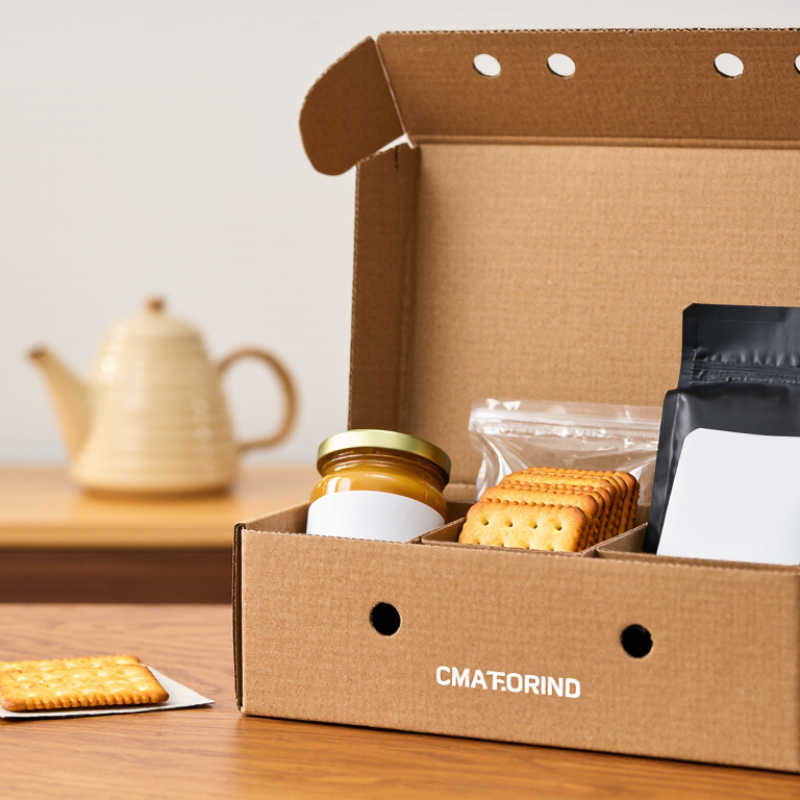
Wholesale gifting demands more than attractive packaging. It requires consistency, practical value, and a reliable experience for every recipient. A Hamper Gift Box can combine carefully selected products inside one polished presentation. Imagine a sturdy kraft box holding coffee, biscuits, artisan preserves, and a handwritten card. Each item feels considered, yet the supplier manages one coordinated gift.

“Wholesale hampers succeed when presentation, product quality, and recipient relevance work together,” says Emily Carter, a gifting and packaging consultant with experience in corporate gift programmes. Her observation reflects a practical challenge. Buyers want impressive gifts, but they also need predictable pricing, secure delivery, and flexible branding. A well-designed Hamper Gift Box can support these needs through standardised packing, seasonal themes, and scalable order quantities.

The benefits are not automatic. A beautiful box cannot rescue stale food, weak packaging, or careless fulfilment. That part is easy to overlook. Wholesale buyers should inspect product shelf life, packaging strength, supplier communication, and replacement policies before committing. They should also consider cultural preferences, dietary requirements, and responsible sourcing.

There is room for improvement. Some hampers still use unnecessary fillers or oversized boxes. Others look luxurious online but feel ordinary in person. Honest evaluation matters. Businesses can request samples, test delivery conditions, and compare the unboxing experience with their brand promise.

When these details align, wholesale hamper gifting becomes more than a bulk purchase. It becomes a repeatable way to express appreciation, strengthen relationships, and leave a tangible impression without creating avoidable operational problems.

Why Choose Hamper Gift Boxes for Wholesale Gifting?

What Are Hamper Gift Boxes?

Hamper gift boxes are curated collections of useful or enjoyable items arranged in one presentation-ready package. They may include snacks, tea, coffee, candles, stationery, or personal care products. Each item supports a shared theme, such as relaxation, celebration, or seasonal appreciation. The box creates a complete gifting experience, not just a collection of separate products.

For wholesale gifting, suppliers usually prepare these boxes in consistent quantities and designs. This helps companies manage employee gifts, client appreciation, and event packages more efficiently. A well-made hamper should include secure inner packaging, clear product information, and a box strong enough for delivery. Texture matters too. Ribbons, tissue paper, and neatly arranged compartments can make the opening experience feel considered.

Small details build trust. Recipients notice freshness, balanced product selection, and accurate labels. A practical hamper also respects different preferences, including dietary or fragrance sensitivities. One mistake can affect the whole gift. Overfilled boxes may look generous, but they can become difficult to close or transport. Careful testing is essential, although even experienced suppliers may need to revise the contents after customer feedback. A hamper works best when its appearance, usefulness, and packaging quality feel equally reliable.

Why Choose Hamper Gift Boxes for Wholesale Gifting?

What Are Hamper Gift Boxes?

Hamper gift boxes are curated packages that combine several complementary products in one presentation-ready box. The item-count tiers shown here—3, 5, 7, and 9 products—represent practical wholesale packing configurations. Larger hampers provide more product variety, while smaller hampers are easier to ship, store, and customize for different gifting occasions.

Data basis: physical product counts per hamper configuration; the chart does not represent company sales, market share, or brand performance.

Why Are Hamper Gift Boxes Ideal for Wholesale Gifting?

Hamper gift boxes are ideal for wholesale gifting because they combine variety, presentation, and purchasing efficiency. In wholesale projects, I have seen recipients respond faster to a coordinated box than to separate items. A neatly arranged collection creates an immediate sense of value. It also reduces the work required from buyers, who can order one tested format for many recipients. That matters when deadlines are tight. Very tight.

Reliable hamper programs depend on more than attractive contents. Suppliers should confirm product specifications, batch consistency, packaging strength, and delivery schedules before accepting volume orders. A rigid box, protective inserts, and clear labeling help reduce damage in transit. Buyers can select tiered contents for different budgets while keeping a consistent outer design. Personal touches, such as a note or seasonal color, make large orders feel less mechanical. In my experience, practical details often decide whether a gifting program runs smoothly. Not the ribbon.

Still, hamper gift boxes are not perfect. Fixed assortments may not suit dietary needs, cultural preferences, or every recipient. Over-designed packaging can create unnecessary waste and storage problems. Wholesale buyers should request samples, check shelf-life information, and review replacement procedures. They should also ask whether contents can be adjusted without disrupting fulfillment. A small trial order is often wiser than an impressive promise. That lesson is easy to miss.

How Do Hamper Gift Boxes Support Brand Customization?

Hamper Gift Boxes for Wholesale Gifting

Hamper gift boxes give wholesale buyers a practical canvas for brand customization. In my experience, the box often shapes the recipient’s first impression before the products are seen. Custom colors, printed patterns, and carefully placed logos can support a consistent visual identity. However, decoration should not overpower the gift. Clear design usually feels more trustworthy.

Customization also works through structure. Retailers can choose compartments for tea, candles, snacks, stationery, or seasonal items. A fitted insert reduces movement during transport and keeps each product presentable. Different sizes help businesses serve several price levels without changing the entire concept. Texture matters too. A soft-touch coating feels refined, while recycled paper can communicate responsible sourcing when verified.

Small details matter.

Reliable suppliers should provide material specifications, print samples, and packaging tests before large production. I have seen attractive mockups fail because colors changed on textured board or lids fitted poorly. That risk deserves honest attention. A short trial run may cost more initially, but it can reveal weak closures, crowded layouts, or unreadable messages. Customization is strongest when appearance, protection, production limits, and customer expectations are considered together.

Why Choose Hamper Gift Boxes for Wholesale Gifting? - How Do Hamper Gift Boxes Support Brand Customization?

Wholesale gifting and customization planning overview

Evaluation Dimension Wholesale Gifting Value Customization Opportunity Typical Planning Benchmark Business Impact
Product assortment Combines several gift items into one coordinated presentation, reducing the need to source and pack each item separately. Choose item categories, quantities, colors, themes, and seasonal combinations. Common formats contain 3–8 coordinated items, depending on box size and product dimensions. Creates a more complete gifting experience and supports different budget levels.
Outer box structure Rigid or reinforced boxes help protect products during storage, handling, and delivery. Customize box dimensions, opening style, inserts, handles, ribbons, and closures. Typical wholesale formats include lift-off-lid, magnetic-close, drawer, folding, and hinged boxes. Improves perceived value while helping reduce product movement inside the package.
Brand visibility The box remains visible before, during, and after the gift-opening experience. Apply logos, patterns, color palettes, taglines, QR codes, and campaign artwork. Common decoration areas include the lid, sleeve, inner lid, card, ribbon, and product insert. Turns functional packaging into a consistent brand communication touchpoint.
Printing and finishing Multiple finishing levels allow buyers to match packaging quality with campaign objectives and budget. Use offset or digital printing, foil stamping, embossing, debossing, spot coating, or textured paper. One to three primary decoration techniques are commonly combined in a single design. Creates visual differentiation and supports premium, seasonal, or corporate gifting themes.
Interior presentation Custom inserts keep products organized and improve the unboxing sequence. Specify die-cut cardboard, molded fiber, paper-pulp, foam, or fabric-covered compartments. Insert layouts are generally designed around product count, product weight, and protection requirements. Reduces shifting, improves presentation, and supports a more deliberate opening experience.
Personalization at scale Standardized box construction can be combined with variable cards, sleeves, or labels for different recipient groups. Add recipient names, departments, event details, messages, or regional artwork. Variable elements are usually applied to cards, stickers, belly bands, or outer sleeves. Balances production efficiency with a more personal recipient experience.
Order quantity and cost control Larger production runs generally spread tooling, setup, and printing costs across more units. Use a standard structure with customized artwork or accessories to limit tooling changes. Wholesale minimum quantities commonly vary from 100 to 1,000 units, depending on materials and processes. Supports scalable purchasing while preserving design flexibility.
Production planning Early specification of dimensions, artwork, and inserts helps coordinate packaging and gift contents. Customize dielines, artwork files, color references, assembly instructions, and packing sequences. A typical custom packaging project may require sampling, artwork approval, production, and quality inspection before shipment. Reduces late-stage changes, packing errors, and delivery risks.
Sustainability options Material selection can reduce unnecessary plastic components and improve end-of-life handling. Specify recycled paperboard, paper-based inserts, water-based coatings, or reusable box structures. Common alternatives include paperboard, corrugated board, molded fiber, and fabric components. Helps align packaging choices with sustainability policies and recipient expectations.
Shipping and storage Efficient nesting, flat packing, or modular components can improve warehouse and transport utilization. Adjust dimensions, collapse features, closure systems, and master-carton packing specifications. Shipping specifications should account for assembled size, packed size, carton count, and gross weight. Supports better inventory management and helps control fulfillment costs.
Planning note: The quantities and ranges shown are general wholesale packaging benchmarks. Actual specifications depend on box construction, material thickness, printing method, insert design, product weight, order volume, and destination requirements.

What Should Buyers Consider When Selecting Wholesale Hampers?

Why Choose Hamper Gift Boxes for Wholesale Gifting?

Wholesale hamper buyers should assess usefulness before appearance. A beautiful box can still fail if items expire quickly, break during transit, or suit only one diet. The United Nations Environment Programme reported that households, food services, and retailers wasted 1.05 billion tonnes of food in 2022. Therefore, buyers should request shelf-life records and tested packing methods. Ask for batch details, storage instructions, and replacement procedures. Small details matter.

01
02

Cost needs a closer look. Compare the full landed price, not only the product price. Include packaging, assembly, freight, duties, storage, and possible damage. The National Retail Federation reported that online sales represented 23.5% of total retail sales during the 2023 holiday season. This highlights the need for durable outer cartons and clear delivery tracking. A hamper that arrives crushed becomes an expensive apology.

Sustainability also deserves evidence, not attractive wording. IBM’s consumer research found that 57% of respondents were willing to change purchasing habits to reduce environmental impact. Buyers can request recycled-content data, packaging weight, and recycling guidance. Check whether inserts are removable and whether the box can be reused. Perfect assortments do not exist. I would test a small shipment first, then review breakage, customer feedback, and packing time. A lower minimum order may be safer than a larger discount.

03

How Can Businesses Plan Successful Wholesale Gifting Programs?

Wholesale gifting succeeds when planning starts with recipients, not the hamper itself. Businesses should define the purpose, audience, budget, and delivery schedule before selecting products. A practical hamper might include shelf-stable snacks, tea, a notebook, and a handwritten card. These details feel useful rather than excessive. Product quality must remain consistent across every box. Suppliers should provide ingredient information, packaging specifications, and realistic production timelines. Confirm delivery addresses early. One missing apartment number can disrupt an entire campaign.

Tips: Create recipient groups by role, location, or preference. Set a clear per-box budget, including shipping and taxes. Request samples before approving large quantities. Test packaging by shipping one box to a distant address. Track delivery status and keep a small replacement quantity available. Personalization should be checked carefully, especially names and messages. Small errors can weaken a thoughtful gesture.

A successful program also needs measurable goals. Businesses can track delivery completion, recipient feedback, repeat orders, and cost per recipient. A short survey may reveal whether the hamper felt practical or merely decorative. Review the results with procurement and customer-facing teams. Our first plan might look polished but still miss dietary needs or regional delivery limits. That is useful evidence, not failure. Improve the next order using real feedback. Reliable wholesale gifting depends on documented processes, honest supplier communication, and enough flexibility to handle unexpected changes.

✕
Get Free Instant Quote

    Questions? We can help.
    Contact a Packaging Specialist for product & pricing information.
    ❄
    ❄
    ❄
    ❄
    ❄
    ❄
    ❄
    ❄
    ❄
    ❄
    ❄
    ❄
    ❄
    ❄
    ❄
    ❄
    ❄
    ❄
    ❄
    ❄
    ❄
    ❄
    ❄
    ❄
    ❄
    ❄
    ❄
    ❄
    ❄
    ❄
    ❄
    ❄
    ❄
    ❄
    ❄
    ❄
    ❄
    ❄
    ❄
    ❄
    ❄
    ❄
    ❄
    ❄
    ❄
    ❄
    ❄
    ❄
    ❄
    ❄