Why Choose PVC Wear Layer for Vinyl Flooring?

Choosing the right surface protection can determine how vinyl flooring performs after years of daily use. The Pvc Wearlayer is the flooring’s first defense against scratches, scuffs, stains, and repeated foot traffic. It sits above the printed design, protecting both appearance and structure.

David Hartley, an independent vinyl-flooring materials consultant, explains, “A wear layer should match the room’s real traffic, not an imagined showroom standard.” His comment highlights an often-missed point. Thicker is not always better. A residential hallway may need different protection from a busy hotel entrance or retail corridor.

A suitable Pvc Wearlayer combines material quality, thickness, surface finish, and manufacturing consistency. Transparent PVC helps preserve pattern clarity. Proper additives can improve abrasion resistance and cleaning performance. A textured finish may support grip, but it can also collect more dirt. That trade-off deserves attention.

Look for tested abrasion performance, stable color, and clear technical documentation. Ask how the product responds to chair casters, grit, moisture, and routine cleaning. Real floors face small stones, wet shoes, dropped objects, and hurried maintenance. Specifications alone cannot describe every situation.

No wear layer is perfect. That matters.

Installation quality also affects service life. Uneven subfloors can create pressure points beneath the vinyl. Harsh cleaners may dull the surface, even when the Pvc Wearlayer is well made. Therefore, product selection should connect with room usage, maintenance habits, and installation conditions. This practical approach supports more reliable flooring decisions and helps prevent attractive surfaces from aging too quickly.

Why Choose PVC Wear Layer for Vinyl Flooring?

What Is a PVC Wear Layer in Vinyl Flooring?

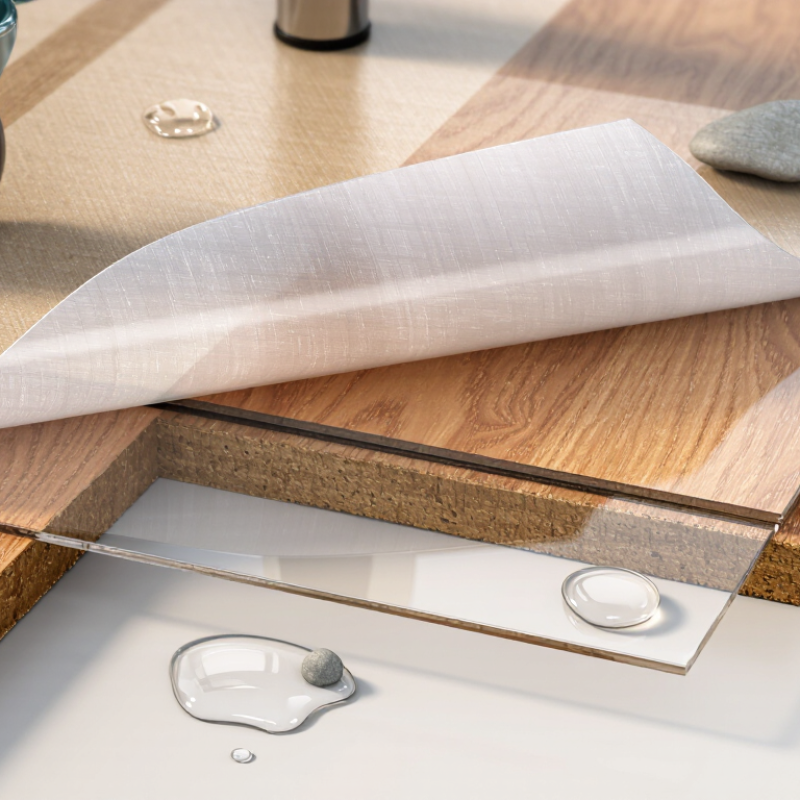
A PVC wear layer is the transparent protective surface placed above a vinyl flooring design layer. It is usually made from resilient polyvinyl chloride and helps resist scratches, stains, scuff marks, and daily abrasion. The printed pattern sits beneath it. This keeps the color and texture visible while reducing direct contact with shoes, furniture, and cleaning tools.

Thickness matters. A thicker wear layer usually offers better protection in busy rooms, such as hallways, kitchens, and commercial entrances. However, thickness alone does not decide flooring performance. Manufacturing quality, surface treatment, installation, and maintenance also affect service life. In practical flooring inspections, poorly prepared subfloors often cause more trouble than light surface wear.

I have seen chairs leave marks when protective pads were missing. Small details matter. A PVC wear layer is water-resistant, but the complete floor system still needs correctly sealed joints and careful installation. It should not be treated as completely damage-proof. Sharp grit can behave like sandpaper under moving furniture. Regular sweeping, soft cleaning tools, and prompt spill removal help preserve the surface. Some textured finishes can also collect dirt more easily than smooth ones, which is easy to overlook. Choosing the right wear layer means matching its construction and thickness with the room’s traffic, furniture, and cleaning routine.

How the PVC Wear Layer Protects Vinyl Flooring

A PVC wear layer is the clear working surface above a vinyl floor’s printed design. It absorbs daily punishment from shoes, chair legs, grit, and rolling loads. Without this barrier, tiny particles can act like sandpaper and dull the pattern quickly. The protection is real, but not unlimited.

Thickness matters. Many residential products use wear layers around 0.2–0.5 mm, while heavier commercial specifications often reach 0.5–0.7 mm or more. These figures are not universal guarantees. Installation quality, cleaning habits, and traffic can change the result. EN ISO 10582 classifies PVC floor coverings by use intensity, including domestic, commercial, and heavy commercial categories. The correct class should match the room, not just the product image.

Testing gives the wear layer a more practical meaning. ASTM F510 evaluates abrasion resistance with controlled abrasive equipment, while ASTM F925 examines resistance to chemicals, stains, and household substances. A stronger PVC layer helps preserve color and reduces surface scuffing, especially near entrances and kitchen work zones. Still, dragging metal furniture can damage almost any floor. Use felt pads. Remove loose grit regularly. Avoid overly aggressive scrubbing, which may create its own surface haze. A thicker layer improves repair tolerance, but it cannot correct poor subfloor preparation or careless maintenance.

Why Choose PVC Wear Layer for Vinyl Flooring? - How the PVC Wear Layer Protects Vinyl Flooring

Data Dimension Typical Data or Range How It Protects Vinyl Flooring Practical Selection Guidance
Wear Layer Material Transparent or translucent PVC, usually formulated as a flexible protective film Creates a durable barrier above the printed design layer and helps reduce direct contact with dirt, footwear, and moving furniture. Confirm that the wear layer is suitable for the expected traffic level and cleaning conditions.
Common Wear Layer Thickness Approximately 0.10–1.00 mm A thicker layer generally provides more material to resist gradual abrasion and helps preserve the appearance for longer under heavier use. Thickness alone does not determine performance; formulation, surface finish, installation, and maintenance also matter.
Light Residential Use Approximately 0.15–0.20 mm Provides basic protection against normal household foot traffic, dust, and occasional furniture movement. Suitable for bedrooms, low-traffic living areas, and similar spaces when the floor is properly maintained.
General Residential Use Approximately 0.20–0.30 mm Offers a stronger balance of scratch resistance, stain protection, and everyday durability. A common choice for living rooms, hallways, dining areas, and family homes.
Commercial or Heavy Residential Use Approximately 0.30–0.70 mm Provides additional resistance to repeated foot traffic, rolling loads, and more frequent cleaning. Consider this range for offices, retail areas, hospitality spaces, and busy residential zones.
Heavy Commercial Use Approximately 0.70–1.00 mm Offers a substantial protective layer for environments exposed to high traffic and demanding daily use. Verify the complete flooring specification, including classification, dimensional stability, and installation requirements.
Abrasion Protection Performance depends on thickness, PVC formulation, stabilizers, and surface treatment Helps limit wear-through that could expose or distort the decorative print layer. Use the manufacturer’s abrasion or wear-test results when comparing products; thickness is not a universal performance rating.
Scratch and Scuff Resistance Improved by a suitable PVC formulation and protective topcoat Reduces visible marks caused by footwear, chair legs, and light impacts during normal use. Use non-staining furniture glides, lift furniture instead of dragging it, and place entrance mats in high-dirt areas.
Stain and Spill Protection Non-porous surface when the flooring system is properly sealed and maintained Helps prevent many common household and commercial spills from penetrating quickly into the design layer. Remove spills promptly and follow the flooring manufacturer’s approved cleaning instructions.
Moisture Resistance PVC itself has low water absorption, but seams and subfloor conditions remain important Helps protect the surface from moisture-related staining during ordinary cleaning and short-term spills. Water resistance does not make every installation waterproof; prepare the subfloor and treat seams according to the installation method.
UV and Light Exposure Resistance varies; some products use additional UV-resistant surface treatments Can help slow fading and surface degradation caused by sunlight and artificial lighting. Use window coverings or UV-control glazing in areas with strong direct sunlight, and check the product’s light-resistance data.
Cleaning and Maintenance Routine sweeping or vacuuming plus damp mopping with a compatible cleaner Removing abrasive grit reduces the amount of friction acting on the PVC wear layer. Avoid abrasive pads, harsh solvents, excessive water, and cleaning chemicals not approved for vinyl flooring.
Key Limitation The wear layer is protective, not indestructible Deep cuts, sharp impacts, prolonged abrasive contamination, and unsuitable chemicals can still damage the surface. Select the thickness and product classification according to traffic, rolling loads, furniture type, sunlight, and maintenance practices.

Note: The thickness ranges shown are typical industry-use ranges for PVC wear layers and are provided for general planning. Actual performance depends on the complete flooring construction, test standards, installation quality, traffic conditions, and maintenance.

Key Benefits of Choosing a PVC Wear Layer

Why Choose PVC Wear Layer for Vinyl Flooring?

A PVC wear layer is the floor’s first line of defense against daily friction. It helps protect the decorative surface from grit, chair casters, shoe marks, and small spills. In busy kitchens, hallways, and offices, this layer can reduce visible scuffs and slow surface wear. Its smooth finish also makes routine cleaning easier. A damp mop often removes dust, crumbs, and diluted stains without aggressive scrubbing. The result is practical, not magical.

Tips: Check the wear-layer thickness before buying. Match it to traffic levels, furniture weight, and cleaning habits. Test a sample under real lighting. Gloss can reveal scratches more easily.

PVC can also support long-lasting visual consistency. Clear construction allows the pattern underneath to remain visible while adding surface protection. However, thickness alone does not guarantee performance. Installation quality, subfloor preparation, sunlight, and maintenance all matter. I have seen a well-rated floor disappoint when grit stayed trapped near an entrance. That detail is easy to ignore. Look for documented performance testing, suitable slip resistance information, and clear care instructions. Choose a balanced specification rather than the thickest option automatically. A reliable wear layer works best as part of a complete flooring system.

Why Choose a PVC Wear Layer for Vinyl Flooring?

A PVC wear layer protects the decorative surface from everyday abrasion, helping vinyl flooring remain attractive and easier to maintain. The thickness selected should match the expected traffic level and use environment.

Typical wear-layer thickness selections shown for residential, light commercial, commercial, and high-traffic applications. Actual suitability depends on product construction, installation quality, maintenance, and site conditions.

How Wear Layer Thickness Affects Flooring Performance

Why Choose PVC Wear Layer for Vinyl Flooring?

How Wear Layer Thickness Affects Flooring Performance

PVC wear layer is the clear protective surface above vinyl flooring’s printed design. Its thickness, commonly measured in mils, affects resistance to scratches, scuffs, and everyday abrasion. A 12-mil layer may suit a quiet bedroom with soft footwear and limited furniture movement. Busy hallways need more protection. During practical flooring assessments, chair legs and gritty shoe soles often create dull traffic paths on thinner surfaces.

A 20-mil layer generally offers stronger protection for kitchens, offices, and retail areas. It helps the design remain clearer when floors face repeated rolling loads or frequent cleaning. However, thickness is not everything. A thicker wear layer cannot correct a damp subfloor, poor installation, or an uneven surface. Subfloor preparation still matters. I have seen durable flooring perform poorly because small ridges remained underneath. That was a useful reminder.

Choose the thickness according to traffic, maintenance, and expected service life. For homes, 12 to 20 mils may provide a practical range. Commercial spaces often require a heavier specification and documented abrasion testing. Check technical sheets, installation requirements, and performance data rather than relying on thickness alone. The most reliable comparison includes surface texture, cleaning chemicals, caster use, and moisture conditions. A thicker specification can still fail when the room’s real conditions are overlooked.

What to Consider When Selecting a PVC Wear Layer

PVC wear layers protect the printed design from scuffs, stains, and daily abrasion. Demand remains significant. A 2024 U.S. floor-covering industry statistical report placed resilient flooring at about one-fifth of total sales. That scale makes specification important. A wear layer should match the room, not merely the product price.

Begin with thickness. Residential rooms often use 0.20–0.30 mm layers. Busy offices, shops, and corridors may require 0.50 mm or more. Yet thicker is not automatically better. The backing, installation, and subfloor still control performance.

Check abrasion data, surface treatment, and warranty conditions. ASTM F925 evaluates chemical resistance, while ASTM F970 measures resistance to static loads. These tests reveal more than thickness alone.

Consider cleaning chemicals, rolling loads, sunlight, and moisture. A polyurethane finish can reduce maintenance, but it cannot repair poor installation. Ask for test reports from an independent laboratory. Confirm test methods, sample thickness, and results.

Marketing language can sound precise. Sometimes it is not. Installers also report that dark surfaces show scratches quickly, even with a strong PVC layer. A practical sample under real lighting may prevent an expensive mistake. Safety matters too, so review slip-resistance results for the intended environment.

Article Source:

Get Free Instant Quote

    Questions? We can help.
    Contact a Packaging Specialist for product & pricing information.