Essential Tips for Choosing the Right Printed Shipping Boxes?
Choosing the right printed shipping boxes is crucial for any business. These boxes can impact your brand's image and customer satisfaction. They protect your products during transit. However, selecting the right boxes is not always straightforward.
Many companies overlook the importance of quality in printed shipping boxes. The wrong choice can lead to damaged items and unhappy customers. It's essential to consider size, material, and design. A well-designed box attracts customers and enhances their unboxing experience. The right box also streams shipping efficiency.
Thinking about sustainability can also be beneficial. Eco-friendly printed shipping boxes appeal to environmentally conscious consumers. This choice reflects a brand's values. A careless selection might cost you more, both financially and reputationally. Reflect on what your printed shipping boxes say about your business.
Understanding Different Types of Printed Shipping Boxes
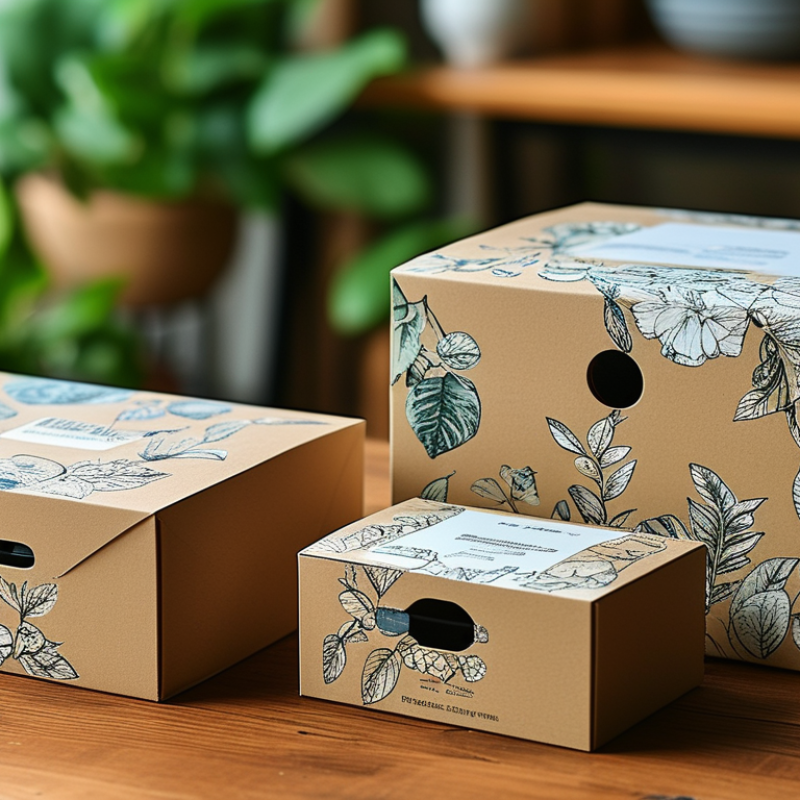
When selecting printed shipping boxes, understanding the various types is crucial. Corrugated boxes are popular for their strength and protection. These boxes are ideal for shipping fragile items. They typically come with several layers, making them durable against rough handling. You might consider foldable cardboard boxes for lighter, less fragile products. They offer a neat appearance and can be customized with vibrant prints.
Another option is rigid boxes. These are sturdy and provide a premium feel. They suit high-end products like cosmetics or electronics. The printing on rigid boxes can be quite striking, drawing customer attention. However, they are often more costly than other types. As you explore different boxes, think about the costs versus benefits. The choice will depend on your product's nature and how you want it to look on delivery.
Don't forget about the environmental impact of your choice. Some materials are more sustainable than others. Eco-friendly boxes can enhance your brand image, appealing to conscious consumers. Maybe reflect on your brand values and how these boxes align. The right printed shipping box can communicate your brand story effectively.
Assessing Material Quality for Durability and Protection
When selecting printed shipping boxes, the material quality is paramount. Durable boxes protect products during transport. They withstand various conditions, from moisture to impact, ensuring contents arrive intact. Cardboard, for instance, is a popular choice due to its lightweight nature and strength.
Consider the edge crush test rating when evaluating cardboard. This rating indicates how much weight the box can endure without collapsing. A higher rating means better durability. Another factor is the fluting type within the cardboard. Different flutes offer varying levels of strength and cushioning.
Look for boxes with protective coatings or liners. These enhancements can provide additional resistance against moisture and wear. They help shield your products from damage during their journey. Remember that not every option is perfect. Assessing trade-offs between cost and quality is crucial. Investing in high-quality materials often translates to fewer product damages and returns.
Evaluating Customization Options for Branding Purposes
When considering printed shipping boxes, customization is key for branding. Research shows that 70% of consumers recognize brands through packaging alone. Custom designs can enhance your visibility and create a lasting impression. The color, logo placement, and material all contribute to brand perception. Many businesses overlook the importance of these details. A study revealed that 72% of consumers feel more positively about brands that use unique packaging.
However, there are challenges in the customization process. Costs can escalate quickly, especially with low-volume orders. Staying within budget while achieving a distinct look requires careful planning. Some companies underestimate the complexity of design options, which may lead to ineffective branding. Crisp designs that reflect your brand's identity matter significantly in today’s competitive market.
It's also essential to consider sustainability. Eco-friendly materials are increasingly popular among consumers, with 60% of them willing to pay more for sustainable packaging. Striking the right balance between appealing design and environmental responsibility can be a dilemma for many businesses. Not addressing these concerns may reflect poorly on your brand, especially if your competitors prioritize sustainability.
Analyzing Size and Dimensions for Optimal Fit
When selecting printed shipping boxes, size and dimensions play a crucial role. Properly fitting boxes can reduce shipping costs and enhance customer satisfaction. According to recent studies, nearly 30% of businesses experience higher shipping fees due to improper box sizing. This emphasizes the need to carefully analyze product dimensions before making a choice.
Additionally, consider the product's weight and fragility. Packaging that is too large might allow items to shift during transit, increasing the risk of damage. A report by the Packaging Association indicates that about 40% of products are returned due to inadequate packaging. Seeking a snug fit not only protects your items but also minimizes waste and environmental impact.
It is also important to remember that not every box will be perfect for every product. Sometimes, adjustments in design may be necessary. This could lead to higher production costs. However, the potential for improved delivery experiences can outweigh these concerns. Balancing aesthetics and functionality should be a priority while evaluating dimensions.
Essential Tips for Choosing the Right Printed Shipping Boxes
| Dimension Type |
Measurements (inches) |
Recommended Uses |
| Small Box |
8 x 6 x 4 |
Jewelry, small electronics |
| Medium Box |
12 x 10 x 8 |
Clothing, shoes, books |
| Large Box |
16 x 12 x 10 |
Household items, larger electronics |
| Flat Box |
14 x 11 x 1 |
Documents, magazines |
| Custom Size |
Varies |
Specialty items, unique shapes |
Considering Environmental Impact and Sustainability Factors
When selecting printed shipping boxes, considering the environmental impact is crucial. Many materials contribute to pollution and waste. Traditional cardboard may seem efficient but often comes from unsustainable sources. Look for boxes made from recycled materials. This choice supports recycling efforts and reduces the demand for new raw materials.
Sustainability goes beyond just the box material. The printing process also matters. Use eco-friendly inks and processes that minimize chemicals. Water-based inks are a better choice for the planet. They are less harmful and often provide vibrant colors. However, finding suppliers who prioritize sustainability can be challenging.
Businesses should evaluate their entire supply chain. Unforeseen environmental impacts may arise at any stage. Shipping distances, manufacturing practices, and disposal methods all matter. Companies might overlook the carbon footprint of packaging transportation. Fostering a holistic approach is essential for genuinely sustainable practices. Every detail contributes to a larger picture of environmental stewardship.
Environmental Impact of Shipping Box Materials