What is Rigid Boxes and How Are They Used?
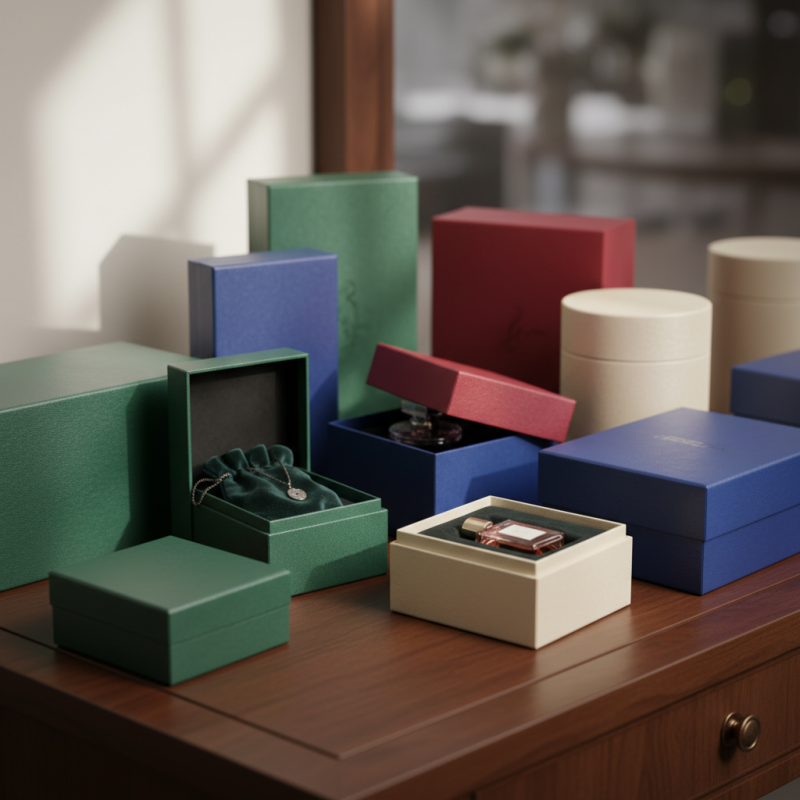
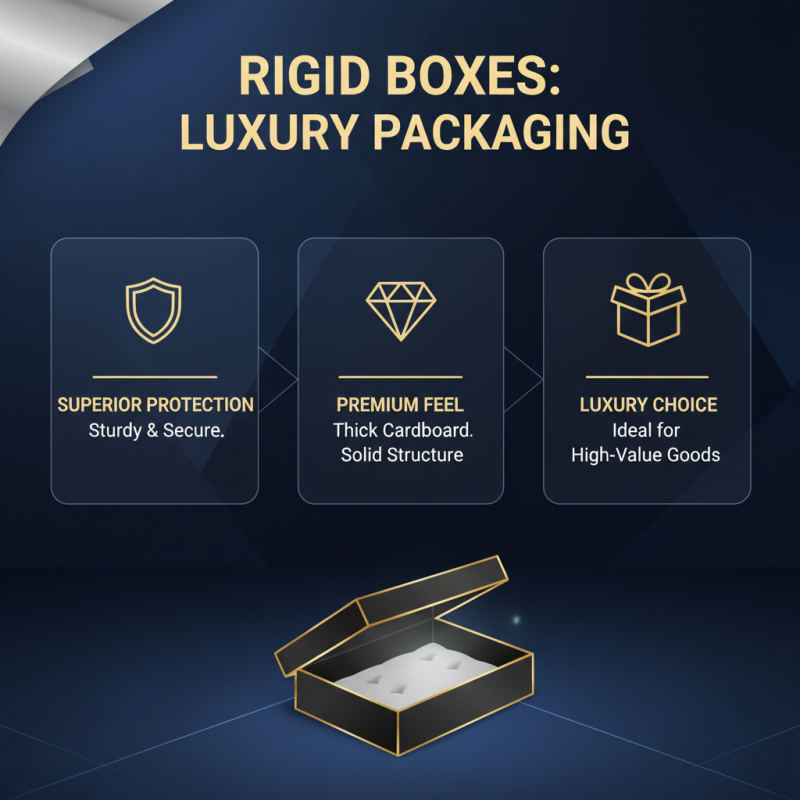
Rigid boxes are a popular packaging solution. They are known for their sturdiness and elegant design. These boxes are made from thick paperboard, providing strength and durability. Their sturdy construction makes them ideal for protecting delicate items.
Commonly, rigid boxes are used in luxury goods. High-end brands favor them for packaging jewelry, cosmetics, and electronics. The rigid structure enhances the unboxing experience. Consumers often feel a sense of quality when receiving products in these boxes.
However, rigid boxes might not be the best choice for every product. They can be more expensive than other packaging options. Brands must consider their target market when choosing packaging. While they offer many benefits, the cost could be a barrier for some. It’s essential to weigh the pros and cons before deciding on rigid boxes.
What Are Rigid Boxes? A Definition and Overview
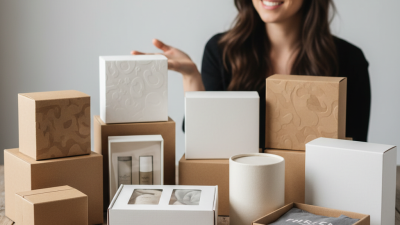
Rigid boxes are a form of packaging that is sturdy and holds its shape well. They are typically made from thick paperboard or cardboard, making them ideal for presenting products in a premium way. These boxes come in various designs, from simple to ornate, allowing brands to customize their packaging to enhance their visual appeal. The structural integrity of rigid boxes offers excellent protection for delicate items, making them popular in industries like cosmetics, electronics, and luxury goods.
When using rigid boxes, consider the purpose of your packaging. The design should match the product inside. A beautifully crafted box can elevate the unboxing experience for customers. Keep in mind the balance between aesthetics and functionality. Mismanaging this can lead to a product that looks good but offers little protection.
Tips: Always test your box design with the actual product. This helps ensure that it fits well. Avoid overly complicated designs that may confuse the assembly process. A simple, elegant box can often make a stronger statement than one that's overly intricate. Lastly, be mindful of costs. Premium materials can add up, so keep your budget in check while creating good-looking packaging.
Common Applications and Industries Utilizing Rigid Boxes
Rigid boxes are a popular choice across various industries. These sturdy containers provide protection and an upscale appearance. Many businesses use them for packaging luxury goods. Fashion brands often choose rigid boxes to enhance the unboxing experience. The tactile feel of these boxes adds value to the product.
In the electronics sector, rigid boxes are common. They offer crucial protection for delicate items like smartphones. A well-designed box can make a significant difference in consumer perception. Additionally, the cosmetic industry frequently utilizes these boxes. They serve not just for packing but also for branding. The attractive designs can catch a customer’s eye on a store shelf.
Food companies also use rigid boxes for gourmet packaging. They convey quality and care. However, it's essential to balance aesthetics with functionality. Sometimes, companies focus too much on design and forget product safety. Rigid boxes should protect the contents effectively. This requirement is vital in any application, regardless of the industry.
What is Rigid Boxes and How Are They Used? - Common Applications and Industries Utilizing Rigid Boxes
| Application |
Industry |
Material Used |
Customization Options |
| Gift Packaging |
Retail |
Cardboard, Paperboard |
Print, Foil Stamping |
| Cosmetic Packaging |
Cosmetics |
Rigid Paper |
Embellishments, Inserts |
| Wine Packaging |
Beverage |
Wood, Cardboard |
Custom Shapes, Colors |
| Electronics Packaging |
Electronics |
Plastic, Cardboard |
Foam Inserts, Print Design |
| Luxury Goods Packaging |
Luxury Retail |
High-quality Paper, Leather |
Custom Finishes, Logo Embossing |
Advantages of Using Rigid Boxes for Packaging
Rigid boxes offer a unique solution for packaging. These boxes are sturdy and provide exceptional protection for products. Their design enhances the unboxing experience, which is crucial in attracting customers. According to a recent report from Smithers Pira, the rigid box market is projected to grow at a compound annual growth rate of 4.6% through 2023. This growth indicates a rising preference for premium packaging.
One significant advantage of rigid boxes is their potential for customization. Brands can create unique designs that stand out on store shelves. With advances in printing technology, brands can use vibrant colors and intricate patterns. However, some companies still struggle with balancing creativity and cost. Customization can increase production expenses. Industry data shows that nearly 25% of brands find it challenging to optimize the cost of rigid boxes.
Sustainability is another consideration. Many rigid boxes are now made from recycled materials. This move aligns with consumer demand for eco-friendly packaging. Still, some consumers are less aware of these efforts. A survey indicates that 60% of consumers prefer brands that use sustainable packaging. Companies must work harder to promote their eco-friendly practices. Overcoming these challenges is essential for maximizing the benefits of rigid boxes.
Design Options and Customization for Rigid Boxes
Rigid boxes offer a robust and elegant solution for packaging needs. The customization options available make them even more appealing. Brands often opt for specific designs to enhance their products' appeal. According to a recent industry report, 70% of consumers associate well-designed packaging with better product quality. Custom colors, textures, and finishes can create a lasting impression.
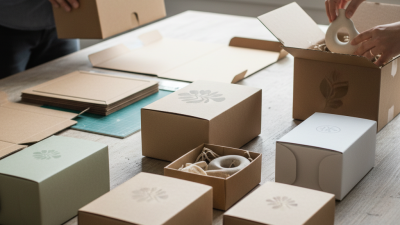
Design choices are vast. Companies can choose between embossed logos, foil stamping, and custom inserts to elevate the unboxing experience. For instance, a textured finish can provide a tactile quality that catches the eye. However, despite these advancements, some features may not meet user expectations. Aesthetic designs must also prioritize functionality. Many brands discover this balance only after customer feedback reveals shortcomings in usability.
Sustainability is another critical factor in customization. As consumers become more eco-conscious, brands must adapt. A study showed that 60% of consumers prefer packaging that's recyclable or biodegradable. While rigid boxes can be sustainable, the materials used can pose challenges. Companies must constantly evaluate their choices. Compromises may arise between cost, design, and sustainability goals.
Rigid Boxes Usage and Customization Options