What is Pharma Grade Hyaluronic Acid and Its Benefits?
Pharma Grade Hyaluronic Acid is a highly purified form of hyaluronic acid. It is used in various medical and cosmetic applications. With its exceptional ability to retain moisture, it plays a vital role in skin hydration and rejuvenation.
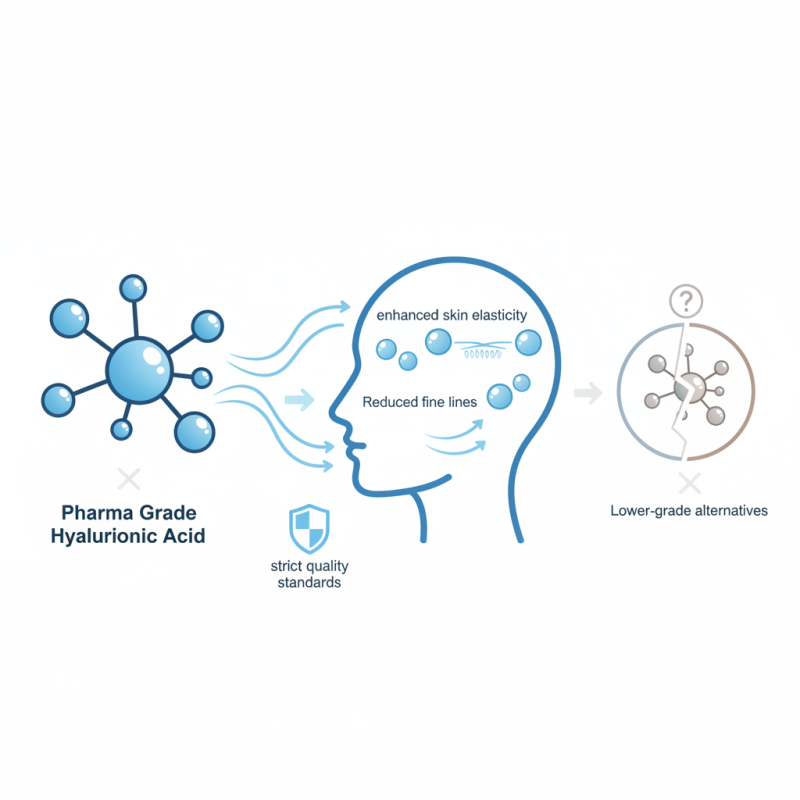
This grade of hyaluronic acid meets strict quality standards. It boasts a low level of impurities. As a result, it is safe for use in a range of products, from injectables to topical treatments. Many people seek out Pharma Grade Hyaluronic Acid for its benefits. It enhances skin elasticity and reduces fine lines. The effects are often visible shortly after application.
However, not all products labeled as "hyaluronic acid" are the same. Consumers may face confusion and disappointment. Some products may contain lower-grade alternatives. It's essential to choose wisely. Transparency in sourcing and formulation is crucial. The journey to achieving youthful skin can be complicated. Understanding the differences in quality can help consumers make informed choices.
What is Pharma Grade Hyaluronic Acid?
Pharma grade hyaluronic acid is a highly purified form of hyaluronic acid. Unlike standard versions, it meets rigorous pharmaceutical standards. This makes it suitable for medical and cosmetic applications. It's typically derived from bacterial fermentation, ensuring a more controlled and consistent quality.
In skin care, pharma grade hyaluronic acid holds significant appeal. It's known for its ability to retain moisture. This characteristic helps keep the skin hydrated and plump. Users may notice improved skin texture and elasticity. However, not everyone achieves the same benefits. Some may find it too heavy or experience irritation.
In injectables, like dermal fillers, pharma grade hyaluronic acid is widely used. It can fill in fine lines and create volume. Yet, results can vary depending on technique and individual skin type. Some people might face swelling or bruising post-treatment. It's worth recognizing that while the results can be remarkable, they aren't guaranteed for everyone. Each skin type reacts differently to this ingredient, so caution and professional advice are essential.
Distinction Between Pharma Grade and Other Types of Hyaluronic Acid
Pharma grade hyaluronic acid is distinct from other types, primarily due to its purity and intended use. This type is often used in medical applications, such as injections for joint pain relief or skin treatments. The manufacturing process is rigorous, ensuring minimal contaminants. In contrast, non-pharma grade hyaluronic acid may be found in cosmetic products, where purity standards are not as stringent.
The benefits of pharma grade hyaluronic acid are significant, particularly for therapeutic uses. Its high molecular weight ensures optimal moisture retention, which can help in wound healing and tissue repair. Although effective, sourcing this grade can be challenging due to regulatory hurdles. Some products labeled as hyaluronic acid may not meet the same standards, leading to questions about their efficacy.
Additionally, the components in lower-grade forms might lead to inconsistent results. Users must be cautious. Not every product claiming to contain hyaluronic acid will offer the same benefits. There’s a lack of awareness about these differences in quality among consumers. It's vital to understand what you choose to use. Quality does matter, especially in health-related uses.
Key Benefits of Pharma Grade Hyaluronic Acid in Skincare
Pharma grade hyaluronic acid is a high-quality formulation used in skincare. It is popular for its remarkable ability to retain moisture. This ingredient deeply hydrates the skin, leaving it plump and fresh. It can help reduce the appearance of fine lines and wrinkles. Many people notice a visible difference after regular use.
One key benefit of pharma grade hyaluronic acid is its compatibility with various skin types. Oily, dry, or combination skin can all benefit from its hydrating properties. It works by drawing moisture into the skin, making it feel soft and supple. However, some may experience initial breakouts when first incorporating it into their routine. This can be a sign of the skin adjusting, but it’s essential to monitor how your skin responds.
**Tip:** Apply hyaluronic acid on damp skin for better absorption. This helps lock in moisture effectively. Consider layering it with a lightweight moisturizer for added benefits. It’s also wise to perform a patch test before full application, especially if your skin is sensitive. Remember, not every product is suitable for everyone, and patience is key in finding what truly works for you.
Applications of Pharma Grade Hyaluronic Acid in Medicine
Pharma grade hyaluronic acid has become critical in the medical field. Its applications are vast and varied. This substance is naturally found in the body, particularly in connective tissues. It can retain moisture and aids in wound healing.
In orthopedics, hyaluronic acid is used for joint injections. It helps those with osteoarthritis experience less pain. By providing lubrication, it enhances mobility. Studies show that patients report improved function after treatment. However, results can vary. Not everyone experiences the same level of relief.
In dermatology, this compound serves a different role. It is often used in skin fillers. These fillers can create a youthful appearance. They enhance volume and reduce wrinkles. Nonetheless, the results do not always meet the expectations of every individual. The potential for allergic reactions exists, and some may require adjustments.
Safety and Quality Standards for Pharma Grade Hyaluronic Acid
Pharma grade hyaluronic acid (HA) is recognized for its high purity and safety standards. It meets rigorous regulatory requirements set by health authorities. This ensures its suitability for medical and cosmetic applications. The global demand for pharmaceutical-grade HA is increasing. The market is projected to reach over $13 billion by 2027. Such growth reflects its significance across various sectors, particularly in dermatology and orthopedics.
Safety is paramount in the production of pharma-grade HA. Manufacturers must follow strict guidelines. These include Good Manufacturing Practices (GMP) and ISO standards. These precautions help minimize contamination risks during production. However, occasional lapses can occur, leading to undesirable outcomes. Studies indicate that up to 5% of HA products may not meet optimal quality standards. This raises concerns for consumers and healthcare providers alike. Transparency in sourcing and production processes remains a critical issue.
Quality assurance involves extensive testing. It includes assessing viscosity, molecular weight, and sterility. Recent reports highlight the importance of these metrics. Variations can significantly affect the efficacy of HA in treatment applications. For example, low molecular weight HA is often less effective for joint hydration. It’s crucial to choose products that adhere to established safety and quality benchmarks. Ongoing evaluation and improvement in manufacturing processes are necessary for advancing this essential biopolymer's reliability.
What is Pharma Grade Hyaluronic Acid and Its Benefits? - Safety and Quality Standards for Pharma Grade Hyaluronic Acid
| Property | Details |
| Origin | Biotechnologically derived from fermentation processes. |
| Molecular Weight | Typically ranges from 50,000 to 2,000,000 Da. |
| Purity | 99% pure with minimal contaminants. |
| Safety Standards | Meets FDA and EMA guidelines for pharmaceutical use. |
| Benefits | Moisturizes skin, reduces wrinkles, enhances tissue regeneration. |
| Applications | Used in dermal fillers, eye drops, and medical formulations. |
| Storage Conditions | Store in a cool, dry place away from light. |
| Shelf Life | Typically 2 to 3 years when stored properly. |