Why Choose a Multi Lane Powder Packing Machine for Efficiency?
In today’s fast-paced manufacturing environment, efficiency is crucial. A Multi-Lane Powder Packing Machine stands out as a reliable solution. This machine enhances productivity while minimizing labor costs. By utilizing multiple lanes, it allows simultaneous filling, greatly reducing downtime.
Choosing a Multi-Lane Powder Packing Machine can optimize production lines. It ensures consistency in packaging, which is vital for brands. The machine accommodates various powder types, enhancing versatility. Users often find that this equipment leads to an increase in output without compromising quality. This aspect can be a game-changer for businesses looking to scale.
However, some may question the initial investment. While the upfront costs can be significant, the long-term savings are often overlooked. Businesses must weigh their options and consider operational efficiency. Careful evaluation may lead to a decision that significantly improves overall performance in packing operations.
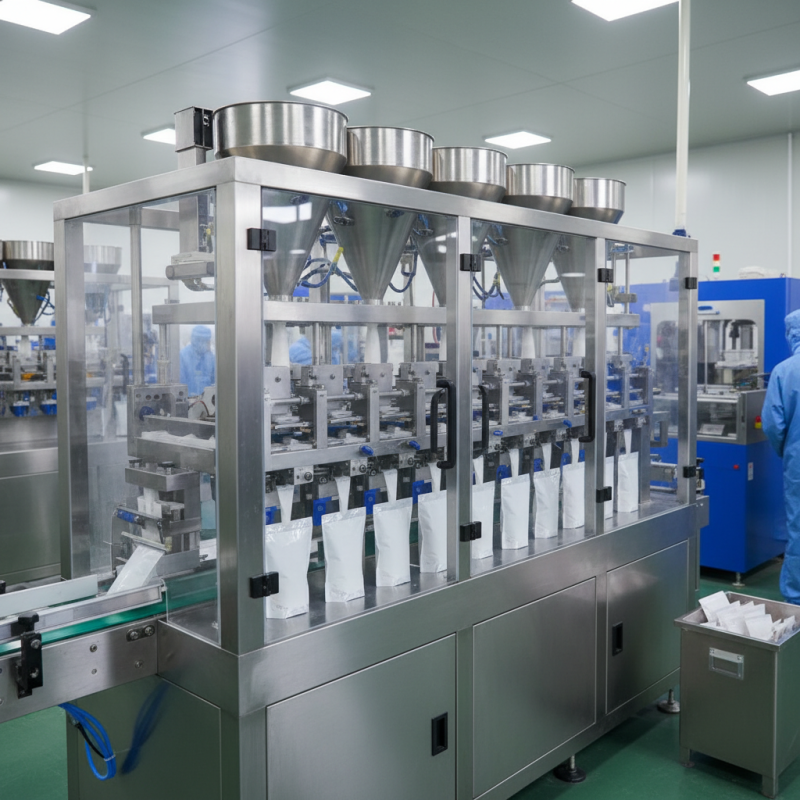
Advantages of Multi Lane Powder Packing Machines in Production Efficiency
Multi-lane powder packing machines are increasingly favored in various industries. Their design allows for higher output rates compared to traditional single-lane systems. According to industry reports, these machines can boost production efficiency by up to 50%. This is critical in meeting the rising demand in sectors like food, pharmaceuticals, and chemicals.
These machines operate by simultaneously filling multiple packages. This process reduces bottlenecks and optimizes workflows. Many companies report that with multi-lane systems, downtime is minimized, and labor costs are reduced. Additionally, they can handle various powder types, increasing versatility. However, initial setup and maintenance can pose challenges. Proper training is essential for operators to fully leverage the machine's potential.
In a competitive landscape, efficiency translates to profitability. A recent market analysis indicated that businesses adopting multi-lane systems saw a 30% increase in overall productivity within the first year. Yet, not all facilities require such advanced systems. Some small-scale operations may still benefit more from simpler setups. Ultimately, assessing specific production needs is vital in making the right choice.
Efficiency Comparison of Multi Lane Powder Packing Machines
Comparison between Multi Lane and Single Lane Packing Machines
When considering efficiency in powder packing, the choice between multi lane and single lane machines can significantly impact productivity. Multi lane machines can double or triple output compared to single lane systems. According to industry reports, using multi lane machines can boost packing speed by as much as 60%. This is crucial in high-demand sectors, where time is money.
Multi lane packing machines often require more upfront investment. However, they provide higher throughput in less time. For example, while a single lane machine might handle 20 packs per minute, a multi lane system can handle over 60. This increase in speed can reduce labor costs. Yet, maintenance and operational complexity tend to escalate with multi lane designs. It’s vital to weigh these factors against your specific needs and production volume.
Additionally, the versatility of multi lane machines allows for various package sizes and configurations. This flexibility can adapt to market trends without total equipment replacement. Still, some manufacturers may struggle to manage the increased complexity. The decision should reflect not only current output requirements but also future growth plans. Balancing efficiency and reliability can be a challenge, making it essential to continually reassess your packing strategy.
Key Features of Multi Lane Powder Packing Machines
Multi lane powder packing machines offer a modern solution to enhance production efficiency. They are designed with several key features that cater to the needs of a fast-paced manufacturing environment. One significant feature is their ability to handle multiple lanes simultaneously. This not only increases the overall output but also reduces the time required for each packing cycle. The machines often utilize advanced sensors for precise filling, minimizing waste and ensuring product consistency.
Another notable detail is the user-friendly interface. Operators can easily set parameters and monitor performance metrics in real time. This simplifies the process and reduces the chances of error. However, the complexity of these machines can pose challenges. Training staff to operate and maintain them is crucial. If improper handling occurs, it could lead to downtime or product loss.
Durability and stability are essential attributes. High-quality materials in construction help withstand the rigors of continuous operation. Some machines come with modular designs, allowing for easy upgrades. Yet, even the best machines may need adjustments over time. Routine maintenance checks are essential to keep them running optimally and to identify potential issues early.
How Multi Lane Packing Machines Optimize Workflow and Reduce Waste
Multi lane powder packing machines revolutionize packaging processes. They enhance efficiency by streamlining production workflows. This technology allows for simultaneous filling of multiple lanes, significantly increasing output. As a result, manufacturers can meet high-volume demands without sacrificing quality.
Optimizing workflow is crucial. Multi lane machines minimize downtime during packaging. They are designed for quick changeovers, which can save valuable time. Reduced changeover periods directly translate to higher productivity. Moreover, these machines are equipped with advanced sensors to ensure accurate filling. This minimizes product waste and maximizes resource utilization.
Waste reduction is not just about efficiency; it’s also about sustainability. By improving accuracy, these machines lower the risk of overfilling. However, challenges remain. Regular maintenance is needed to keep machines running smoothly. Inadequate upkeep can lead to disruptions. It’s essential to monitor performance continuously. By embracing these machines carefully, businesses can thrive in a competitive landscape.
Why Choose a Multi Lane Powder Packing Machine for Efficiency?
| Feature | Benefit | Efficiency Improvement (%) | Waste Reduction (%) |
| High-Speed Packing | Increased output per hour | 30 | 15 |
| Multi-Lane Capability | Simultaneous packing of multiple lanes | 40 | 10 |
| Versatile Packaging Options | Ability to pack various powder types | 25 | 5 |
| Automated Control System | Minimized human error and downtime | 35 | 20 |
| Compact Design | Saves space on production floor | 15 | 2 |
Industries that Benefit from Multi Lane Powder Packing Technology
Multi lane powder packing machines have gained significant traction across various industries. The food industry, for instance, often relies on these machines for efficient packaging of powdered products like spices and flour. According to industry reports, nearly 40% of food manufacturers are adopting multi lane systems to enhance production speed. This shift not only increases output but also maintains consistency in packaging weight, which is crucial for consumer trust.
Pharmaceutical companies also experience profound benefits. A recent survey indicated that about 65% of drug manufacturers are now integrating multi lane packing technology. This approach ensures precise dosing, minimizes contamination risks, and streamlines the packing process. Efficient packaging can cut operational costs by approximately 20% as identified by several industry analysts. However, some companies face challenges in training staff to operate such advanced machines.
The cosmetic and personal care sectors are not left behind. These industries are increasingly seeking automation. Multi lane packing improves efficiency, but reliability can vary. Reports have shown that while many companies benefit, some encounter hiccups during high-speed runs. This inconsistency can lead to waste, prompting companies to reassess their operational strategies regularly. Balancing speed with quality remains a critical issue for these sectors.