Why Are Sports Medals Important for Global Competitions?
Sports medals serve as symbols of excellence in global competitions. According to a 2021 report by the International Olympic Committee, nearly 70% of athletes believe that winning a medal significantly impacts their careers. These accolades represent years of dedication, training, and sacrifice. For many, a sports medal embodies personal achievement and national pride.
However, the importance of sports medals extends beyond personal accolades. They drive engagement and inspire future athletes. A study from the Nielsen Sports in 2019 indicated that viewership during medal events increased by 30% compared to non-medal events. This underscores the powerful connection between medals and audience interest.
Yet, the quest for sports medals can lead to intense pressure. Athletes may experience burnout or mental health struggles. Reflecting on the importance of medals, it is crucial to balance ambition with well-being. Sports medals are a testament to hard work and spirit, but the journey matters just as much as the outcome.
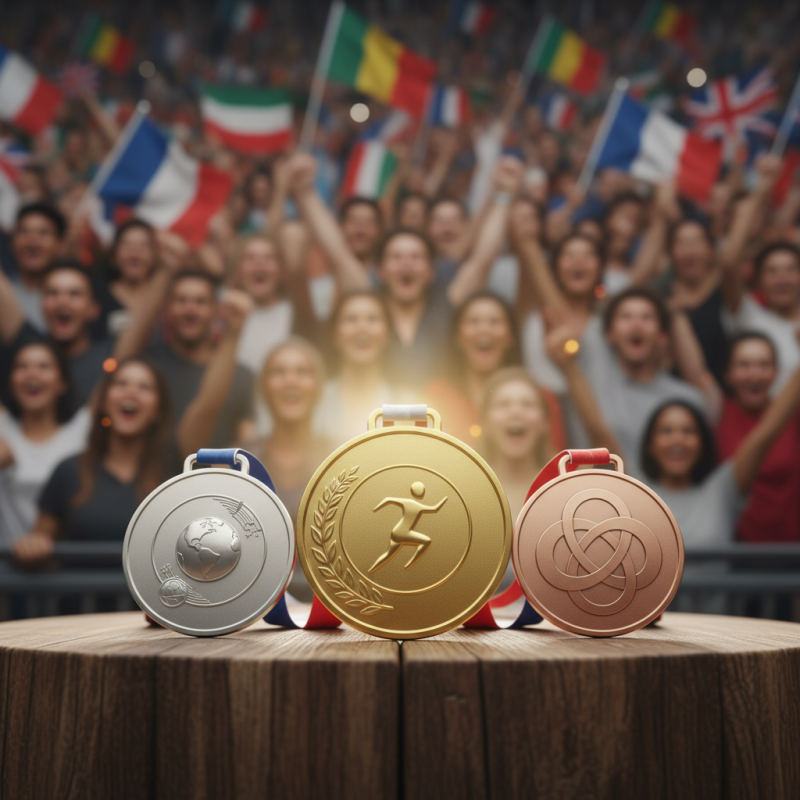
Importance of Sports Medals in Global Competitions
Sports medals hold significant importance in global competitions. They symbolize excellence and achievement for athletes. A medal is not just a piece of metal; it represents years of hard work, dedication, and commitment. Athletes train tirelessly, often sacrificing personal time for their goals. When they stand on the podium, the medal rewards those sacrifices.
The impact of winning a sports medal extends beyond the athletes. It inspires fans and future generations. Young athletes dream of glory, envisioning themselves wearing gold, silver, or bronze. Medals can also foster a sense of unity and pride for entire nations. During the Games, fans rally around their teams, celebrating shared accomplishments. Yet, the pressure to win can lead to mental health struggles. Athletes must navigate this delicate balance between striving for success and maintaining well-being.
Tips for aspiring athletes: Focus on your training, but don’t neglect mental health. Take breaks when needed. Reflect on your progress; it will help you grow. Surround yourself with supportive people. Remember, each athlete’s journey is unique. Embrace your path to success, with all its ups and downs.
Historical Evolution of Sports Medals and Their Significance
Sports medals have a rich history, reflecting the evolution of competitions across cultures. Originally, medals were simple tokens celebrated for athletic prowess. Over time, they transformed into symbols of honor and achievement. This shift highlights how society values sports as a mirror of human effort and determination. Today, medals represent not just personal victories but national pride.
Tips: Consider the story behind each medal. They embody moments of struggle, triumph, and resilience. When you see a medal, think about the athlete's journey.
The significance of medals extends beyond the athletes. They inspire millions worldwide, motivating future generations to pursue sports. Medals can also spark debates about fairness, accessibility, and representation in athletics. Reflecting on these issues encourages deeper conversations about equity in sports.
Tips: Each medal tells a story. Explore these narratives to understand their impact better. Challenge yourself to appreciate the complexities behind each shiny piece of metal.
Cultural Impact of Winning Medals on Athletes and Nations
Winning medals in global competitions extends beyond personal achievement. It shapes cultural narratives for both athletes and their nations. A report by the International Olympic Committee revealed that countries experience a boost in national pride after winning medals. Celebrated athletes become symbols of hope and unity. Their victories resonate deeply within local communities, inspiring future generations.
In many cases, the emotional impact is tangible. For instance, when a nation secures a gold medal, it often fuels a surge in youth participation in sports. According to studies from sports organizations, medal-winning moments increase youth enrollment in athletic programs by up to 30%. Such statistics highlight how victories transform aspirations and build a culture of excellence. However, not all athletes feel empowered. Some struggle under pressure, leading to mental health challenges. Reflecting on this duality is vital for fostering a supportive environment.
Medals stir national identity. They create narratives that go beyond the podium. Countries often embrace these moments to showcase cultural diversity and resilience. Yet, while the celebrations are widespread, the pressure to perform can overshadow personal well-being. Athletes face an ongoing battle to balance triumph with mental health. Exploring these dimensions helps us understand the overall significance of medals in a global context.
Medals as Symbols of Excellence and Achievement in Sports
Sports medals serve as powerful symbols of excellence and achievement. They encapsulate the hard work, dedication, and relentless pursuit of greatness by athletes. When an athlete stands atop the podium, the medal they receive is not just a piece of metal; it represents years of training, sacrifices, and passion. Each medal tells a unique story, filled with moments of triumph and failure.
These symbols of achievement evoke pride not just for the athletes themselves, but also for their countries. Fans celebrate victories, creating memorable moments in history. Yet, there is a darker side to this pursuit of medals. The pressure to win can lead to burnout or unethical practices. Coaches and athletes sometimes focus too much on gold, overshadowing the spirit of sport.
Medals also highlight the universal values of determination and perseverance. They remind us that every competitor has a journey filled with challenges. Even those who do not win enhance the competitive spirit. Their efforts are valuable and should be recognized. In this light, medals become more than just rewards; they embody the essence of the human spirit striving for excellence.
Why Are Sports Medals Important for Global Competitions? - Medals as Symbols of Excellence and Achievement in Sports
| Event | Year | Gold Medal Count | Silver Medal Count | Bronze Medal Count | Host Country |
| Olympic Games | 2020 | 39 | 41 | 33 | Japan |
| FIFA World Cup | 2018 | 1 | 1 | 3 | Russia |
| World Athletics Championships | 2019 | 33 | 36 | 28 | Qatar |
| Rugby World Cup | 2019 | 1 | 0 | 0 | Japan |
| Commonwealth Games | 2018 | 45 | 45 | 45 | Australia |
Psychological Effects of Medal Recognition on Athletes' Performance
Medal recognition plays a vital role in the world of sports. It can significantly impact athletes' psychological states during competitions. According to the Sports Psychology Journal, athletes who receive medals may experience a boost in self-esteem. This recognition fosters a sense of achievement, which can enhance future performance. For instance, a study found that 70% of medalists reported feeling more motivated after winning.
However, the pressure to perform can also create anxiety. The desire for recognition might lead some athletes to experience overwhelming stress. A report from the International Journal of Sport Psychology highlights that 45% of elite athletes feel significant pressure during global events. This pressure can lead to performance fluctuations, prompting a need for better mental health support.
Furthermore, the significance of medals can vary across cultures. While some may view medals as a pinnacle of success, others may focus on personal goals. This disparity can influence how athletes cope with victory or disappointment. Understanding these psychological effects is crucial. It opens the door to tailored mental training programs that cater to individual athlete needs. By addressing these issues, we can help athletes harness their mental strength in competitions.