What is the Importance of Packaging Boxes in Modern Business?
In the modern business landscape, the significance of packaging boxes cannot be overstated. According to a report by Smithers Pira, the global market for packaging is projected to reach $1 trillion by 2024. Packaging boxes play a crucial role in this expansion. They protect products during transit and enhance brand visibility. With nearly 72% of consumers admitting that packaging influences their buying decisions, businesses must prioritize packaging strategies.
Recent research shows that 50% of shoppers are more likely to make a repeat purchase if the packaging is attractive. This statistic highlights the vital connection between packaging design and customer loyalty. Yet, many brands overlook the need for consistent branding across their packaging boxes. This inconsistency can lead to confusion and decreased trust among consumers.
Moreover, while online shopping grows, so does the demand for effective packaging solutions. Enhanced e-commerce sales emphasize the importance of aesthetically pleasing and functional packaging. However, some businesses fail to innovate in their packaging techniques. This stagnation can hinder growth in a competitive market. Emphasizing the importance of packaging boxes is essential for brands aiming for success in today's economy.

The Role of Packaging Boxes in Product Protection and Preservation
Packaging boxes play a crucial role in product protection and preservation. A study by Smithers Pira highlights that around 30% of products damage occurs during transportation. This underscores the need for robust packaging solutions. Well-designed packaging can absorb shocks and resist various environmental factors, minimizing product loss and enhancing customer satisfaction.
Moreover, packaging contributes significantly to preserving the quality of products. Data from the Packaging Association indicates that about 70% of consumers would prefer products with protective packaging. This preference underscores the need for businesses to prioritize quality packaging. Proper sealing and cushioning materials can extend the shelf life of food and other perishable items. However, it's worth noting that not all packaging is created equal. Some materials may be less effective in preserving freshness.
Effective packaging design must consider the balance between protection and sustainability. Businesses often struggle to find eco-friendly packaging that is also effective. The challenge lies in using materials that are both protective and biodegradable. Many companies are now exploring innovative solutions like plant-based materials. While advancements are promising, there is still room for improvement in developing packaging that meets environmental standards while ensuring product security.
Impact of Packaging Boxes on Brand Identity and Customer Perception
Packaging boxes play a crucial role in shaping brand identity. The design, color, and materials used send a strong message to consumers. A well-crafted box can evoke emotions and create lasting impressions. It is not just about holding a product; it's about delivering an experience. Unique designs grab attention on crowded shelves.
Customer perception is heavily influenced by packaging. An elegant and thoughtful design can enhance perceived value. Consumers often associate quality with strong visual aesthetics. However, poor packaging can lead to distrust. If a box looks flimsy or generic, customers might question the quality inside. Brands must think carefully about their packaging choices.
In this competitive market, packaging is often overlooked. Many businesses still prioritize cost over creativity. This can result in missed opportunities for connection. A box that reflects a brand's values can foster loyalty. Reflecting on packaging strategies is essential for growth.
Sustainability and Eco-Friendly Practices in Packaging Solutions
In the fast-paced world of modern business, sustainability is crucial. Eco-friendly packaging solutions are gaining attention. Consumers are more aware of environmental issues. They prefer brands that adopt green practices. This shift impacts purchasing decisions significantly.
Using biodegradable materials is one effective strategy. These materials decompose naturally, reducing landfill waste. Brands can also utilize recycled paper or cardboard for packaging. This not only supports recycling efforts but also demonstrates commitment to sustainability. However, not all suppliers offer reliable eco-friendly options. Businesses must conduct thorough research to ensure quality.
Tips: Always assess the life cycle of packaging materials. Choose those that require less energy to produce. Consider partnering with sustainable suppliers who prioritize eco-friendly practices. Engaging with customers about your sustainability efforts can enhance brand loyalty. Balancing functionality and sustainability in packaging remains a challenge for many. It's essential to find solutions that protect products while being kind to the planet.
What is the Importance of Packaging Boxes in Modern Business? - Sustainability and Eco-Friendly Practices in Packaging Solutions
| Dimension |
Description |
Impact on Sustainability |
| Material |
Use of recyclable and biodegradable materials for packaging. |
Reduces plastic waste and promotes circular economy. |
| Design |
Innovative designs that utilize minimal materials while ensuring safety. |
Decreases resource consumption and waste generation. |
| Production Process |
Eco-friendly manufacturing processes with lower carbon footprint. |
Minimizes environmental impact and energy usage. |
| Supply Chain |
Sourcing materials from sustainable suppliers. |
Supports sustainable practices throughout the supply chain. |
| Customer Engagement |
Educating consumers on recycling and sustainability through packaging. |
Increases awareness and promotes sustainable consumer behavior. |
Marketing Strategies Leveraging Packaging Design and Functionality
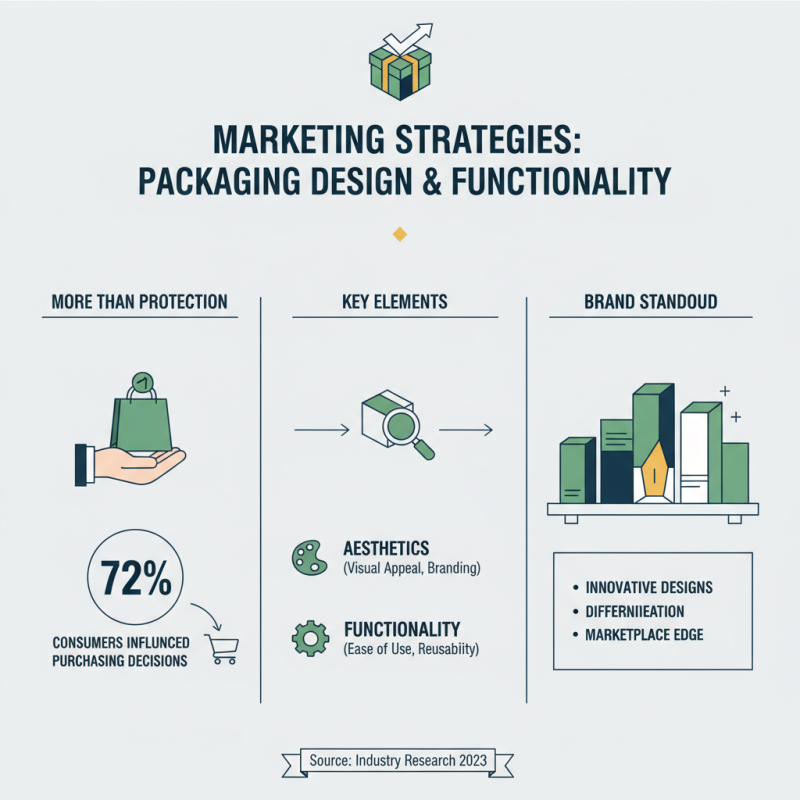
In modern business, packaging design is more than a protective layer. It is a fundamental part of marketing strategies. Research shows that 72% of consumers say packaging design influences their purchasing decisions. This statistic highlights the critical role of aesthetics and functionality. Brands are using innovative designs to stand out in a crowded marketplace.
Consider the functionality of packaging. Sustainable materials have gained traction, with 66% of consumers willing to pay more for eco-friendly products. This demand pushes businesses to rethink their packaging strategies. An example is the rise of minimalist designs that emphasize the product rather than distract from it. Companies are experimenting with shapes, colors, and textures to create a memorable experience.
However, there are challenges. Not all packaging designs resonate with consumers. It can be a fine line between creative and confusing. Some brands fail to communicate their values effectively through packaging. This can lead to missed opportunities and wasted resources. Regular testing and feedback are essential to avoid such pitfalls. Balancing creativity and clarity in packaging remains a critical task for modern businesses.
Cost Considerations in Packaging Boxes for Modern Business Efficiency
In modern business, cost considerations in packaging are crucial. Packaging boxes can represent up to 50% of total shipping costs, according to a report by the Packaging Efficiency Council. This highlights the need for businesses to choose their packaging wisely to enhance profitability. Furthermore, companies that optimize their packaging can save up to 30% on shipping expenses by reducing volume and weight.
Finding the right balance in packaging is essential. Lightweight materials can lower shipping costs, but they must also provide adequate protection. A study by Packaging Strategies noted that nearly 25% of products are returned due to damage during transit, reflecting the significance of choosing durable packaging materials. Each decision impacts both expenses and customer satisfaction.
Tips: Consider using sustainable materials. They not only appeal to eco-conscious consumers but can also lower waste disposal costs. Analyze your shipping routes. Strategic packaging can optimize space and reduce overall freight costs. Regularly review packaging methods. This will ensure you stay competitive without compromising product integrity.