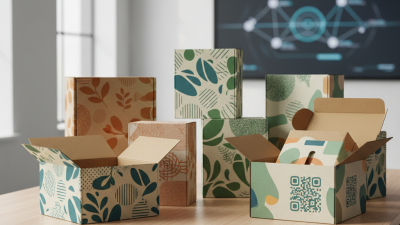
10 Essential Tips for Choosing the Right Mailer Boxes for Your Business
Choosing the right mailer boxes is crucial for any business that ships products. These boxes not only protect items but also reflect your brand's identity. The right design and material can enhance customer experience, making it memorable.
Consider durability. A sturdy mailer box will prevent damage during transit. However, some businesses choose cheaper options, risking product safety. Size is another factor. An ill-fitting box can lead to wasted space and increased shipping costs. On the other hand, a perfectly sized mailer box minimizes movement, ensuring your products arrive intact.
Additionally, think about aesthetics. Custom designs can attract attention. Yet, some companies overlook this aspect, leading to generic packaging. Remember, the first impression often comes from the packaging. As the global market evolves, incorporating smart technologies into your mailer box selection can drive efficiency and effectiveness in your shipping process.
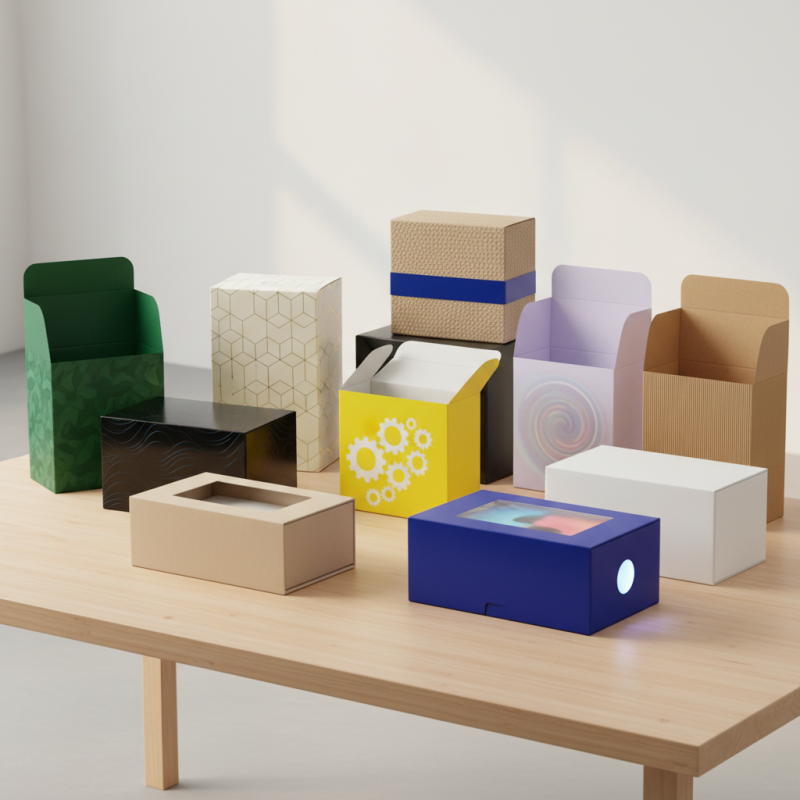
Factors to Consider When Selecting Mailer Boxes for E-commerce Businesses
Choosing the right mailer boxes is crucial for e-commerce businesses. One of the most important factors is the
size of the box. A box that is too large can lead to excessive shipping costs.
Conversely, if the box is too small, it can damage the products inside. Finding the right dimensions
is essential for balancing cost and protection.
Material is another key consideration. Cardboard is popular due to its lightweight and sturdy qualities.
However, some products may require special cushioning. This could mean using extra padding or choosing a sturdier material altogether.
Be mindful of the environmental impact as well. Eco-friendly options are increasingly important to consumers.
Design aspects shouldn’t be overlooked. Branded mailer boxes can enhance customer experience.
However, simple designs can also work well for minimalist brands. Consider how the box reflects your brand values.
It may take time to find the perfect solution. Testing different styles and materials
could lead to valuable insights.
Understanding Different Types of Mailer Boxes and Their Uses
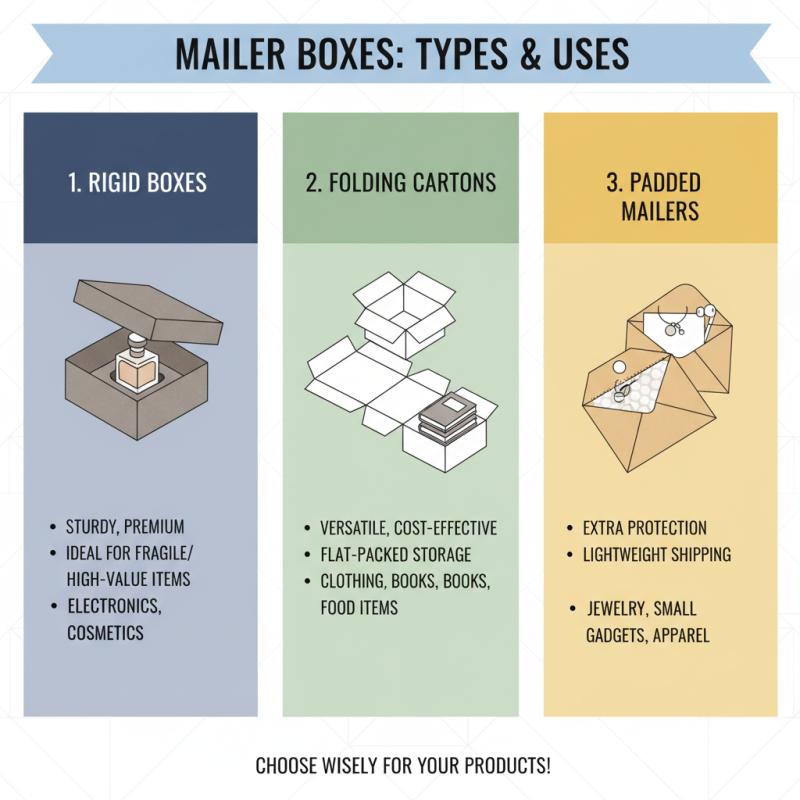
Mailer boxes come in various types, each designed for specific purposes. Choosing the right one can be overwhelming. Start by understanding the differences between rigid boxes, folding cartons, and padded mailers. Rigid boxes are sturdy and great for fragile items. Folding cartons are versatile and cost-effective. Padded mailers offer extra protection for clothing and small items.
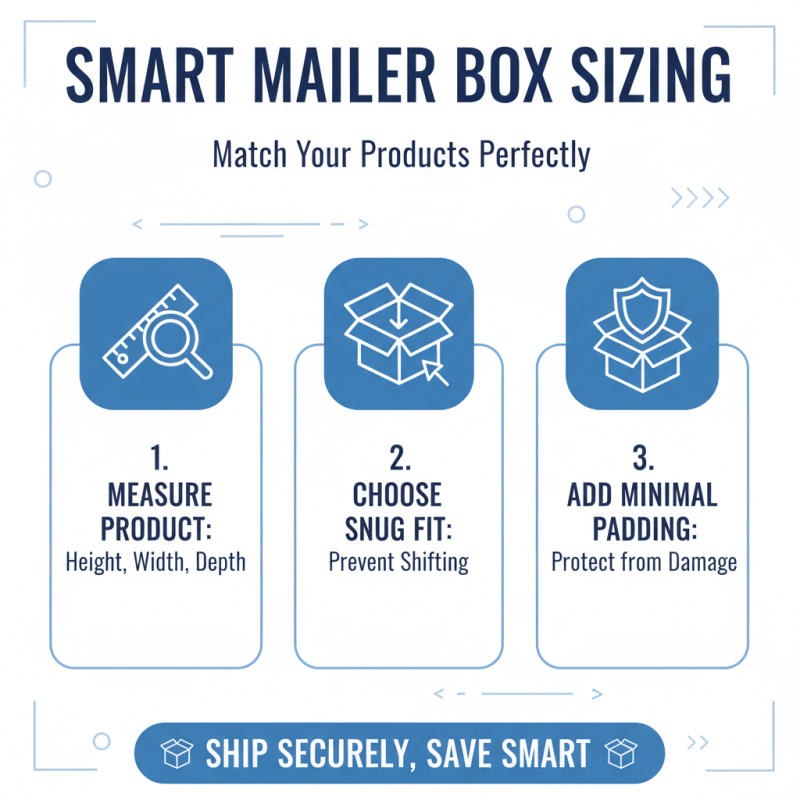
Here are a few tips to consider. Always match the box size to your product. A snug fit reduces movement during shipping. Think about the materials too. Eco-friendly options are increasingly popular. They align with sustainability goals, which is valuable to many consumers. Consider how your box will be branded. A unique design can enhance your brand image.
Addressing your target audience is crucial. Don’t forget to reflect on your shipping method. Some boxes perform better with certain carriers. Experimenting with different types can yield surprising results. While trial and error can be frustrating, it often leads to the best solution for your business.
The Impact of Sustainable Materials on Packaging Choices
Sustainable materials are vital in today’s packaging landscape. Consumers are increasingly prioritizing eco-friendly options. According to a recent study by Nielsen, 73% of millennials are willing to pay more for sustainable brands. This shift indicates a growing demand for sustainable packaging solutions.
Choosing the right mailer boxes can reflect a brand’s commitment to sustainability. Materials like recycled cardboard or biodegradable plastics are gaining popularity. A report from Smithers Pira highlighted that the sustainable packaging market will reach $500 billion by 2026. Businesses must consider how their packaging choices affect the environment and consumer perception.
Some brands may overlook the importance of certifications or sources of materials. Not all sustainable options are created equal. Transparency in sourcing can build consumer trust. Companies should weigh cost against eco-friendliness. It's essential to strike a balance between affordability and commitment to sustainability. Understanding consumer preferences can guide smarter packaging decisions.
Key Dimensions and Sizes to Match Your Products Efficiently
When selecting mailer boxes, understanding dimensions is vital. The size of the box should complement your product. Measure your items carefully. Consider the height, width, and depth. An ill-fitting box can lead to damage during shipping. Ensure there is just enough padding. Excess space can cause items to shift, leading to breaks.
Think about the box style as well. Different products may require different shapes. For example, a fragile item needs a snug fit. Meanwhile, flat items may need a more spacious design. Pay attention to the box material too. Corrugated cardboard is sturdy but can be heavy. Lightweight options might save on shipping costs but may not provide enough protection.
Try prototyping different sizes and styles before making a decision. This process is crucial for effective packaging. It's not easy to get it right; measuring and testing can lead to a lot of wasted resources. Reflect on previous mistakes; they often teach the most valuable lessons.
Cost Analysis: Finding the Right Balance Between Quality and Budget
When selecting mailer boxes for a business, balancing quality and cost is crucial. Recent industry reports suggest that about 40% of businesses compromise on packaging to reduce costs. However, this often leads to customer dissatisfaction. Poor packaging can damage products, resulting in increased returns and loss of trust. The right mailer box should protect items while reflecting your brand’s quality.
Conducting a cost analysis reveals interesting insights. On average, well-designed packaging can increase customer loyalty by 30%. Investing slightly more in high-quality mailer boxes can yield significant returns. For example, studies show that businesses that use premium packaging experience a 20% increase in sales.
Remember, cheaper options may save money upfront but could cost more in the long run. Many companies report that rebranding due to packaging issues adds unwanted expenses. Consider experimenting with various materials and designs. Test different mailer boxes in small batches to evaluate both performance and customer feedback. This reflective approach may lead to better decisions in your packaging strategy.
10 Essential Tips for Choosing the Right Mailer Boxes for Your Business - Cost Analysis: Finding the Right Balance Between Quality and Budget
| Tip |
Description |
Quality Rating (1-5) |
Estimated Cost per Unit ($) |
| 1. Assess Your Product Size |
Ensure the box fits your product snugly to reduce movement during transit. |
4 |
0.50 |
| 2. Choose the Right Material |
Consider cardboard, corrugated, or eco-friendly materials based on your needs. |
5 |
1.00 |
| 3. Design for Branding |
Incorporate your logo and brand colors for better recognition. |
4 |
0.75 |
| 4. Evaluate Durability |
Select boxes that can withstand handling and shipping conditions. |
5 |
1.25 |
| 5. Consider Shipping Method |
Choose boxes compatible with your selected shipping service. |
3 |
0.60 |
| 6. Size and Weight Limitations |
Be aware of any size or weight limitations imposed by carriers. |
4 |
0.55 |
| 7. Customization Options |
Look for suppliers that offer customizable features. |
4 |
1.50 |
| 8. Quantity Discounts |
Consider ordering in bulk for better pricing. |
2 |
0.45 |
| 9. Supplier Reliability |
Choose suppliers with a track record of on-time delivery and quality products. |
5 |
1.20 |
| 10. Environmental Considerations |
Opt for sustainable packaging solutions whenever possible. |
5 |
1.00 |