How to Choose the Right Presentation Boxes for Your Needs?
Choosing the right presentation boxes is crucial for any project. These boxes can enhance the overall look of your product. They serve not only a functional purpose but also play a vital role in branding.
When selecting presentation boxes, consider the material and design. A sturdy box protects the contents during shipping. A visually appealing design attracts potential customers. Think about the colors and textures that represent your brand well.
It's easy to overlook specific details. Remember that the size of the box should fit your product perfectly. Too tight or too loose might damage your items. Reflect on what message you want to convey. This choice can influence customer perception significantly.
Understanding the Importance of Presentation Boxes in Branding
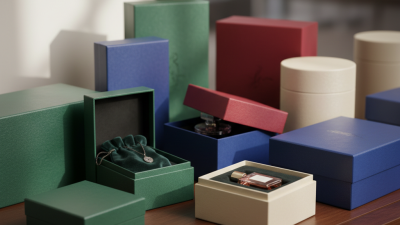
Presentation boxes play a crucial role in branding. They serve as the first point of contact between your product and potential customers. The choice of materials, colors, and design can significantly impact how your brand is perceived. A well-designed box can spark curiosity and generate excitement. It is more than just packaging; it's a way to communicate your brand’s values.
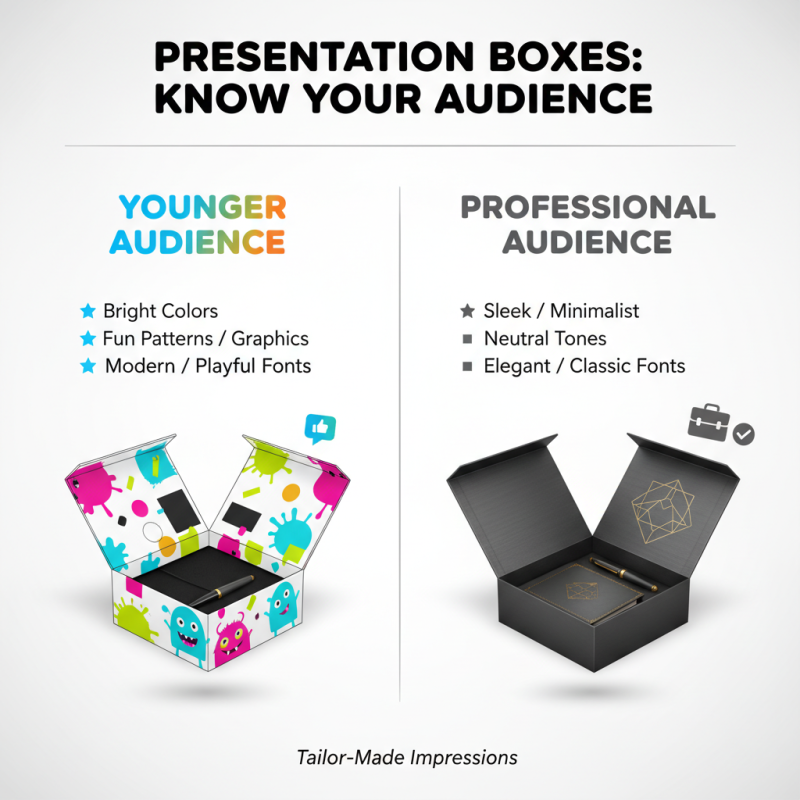
Consider the emotions you want to evoke. A sleek, minimalist design may convey sophistication. Conversely, a vibrant, colorful box can suggest fun and creativity. Reflect on your target audience. Not every style will resonate with them. Sometimes, brands overlook this; they focus solely on aesthetics. It's essential to balance attractiveness with functionality.
Inconsistencies in packaging can confuse customers. A box that doesn’t match what’s inside can lead to disappointment. Think about how your presentation boxes align with your overall branding strategy. Avoid being too generic. Unique and thoughtful designs can differentiate you in a crowded market. Ultimately, the right presentation box should tell your brand’s story, inviting customers to engage and explore further.
Assessing Material Options: Cardboard, Rigid, and Eco-friendly Choices
When selecting presentation boxes, the material plays a crucial role. Cardboard is lightweight and cost-effective. It's an ideal choice for shipping items or creating temporary displays. However, cardboard can lack durability. If the items inside are valuable, consider its limitations. Not all cardboard is created equal. Some may not withstand moisture.
Rigid boxes offer a sturdier option. They have a premium feel and can enhance product perception. These boxes protect delicate items better than cardboard does. On the downside, they may be more expensive and less eco-friendly. When dealing with larger items, the weight can also become a concern. It's essential to weigh the benefits against your budget.
Eco-friendly choices are gaining popularity. Many materials now offer a sustainable option without sacrificing quality. These options reduce environmental impact and appeal to eco-conscious consumers. They can come in various textures and designs. However, sometimes they might lack the structure others provide. Evaluating your audience's preferences can guide your decision here. Balancing aesthetics and sustainability can be challenging yet rewarding.
Evaluating Size and Shape: Impact on Product Presentation and Shipping
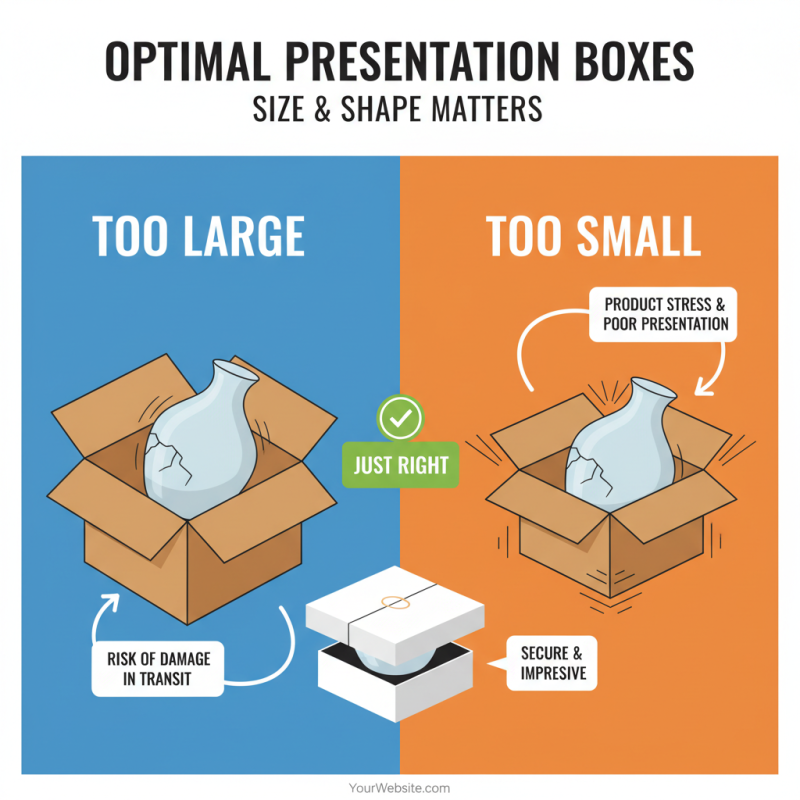
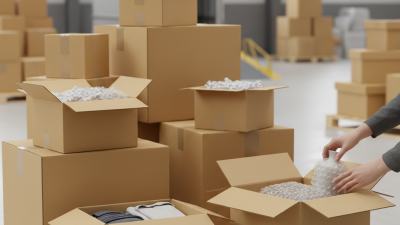
Choosing the right presentation boxes can make a big difference. Size and shape are key factors. For instance, a box that is too large may allow the product to move during transit. This can lead to damage. On the other hand, a box that is too small can create stress on the package. It might also fail to showcase the item effectively.
When considering shape, think about the product's characteristics. A square box often provides ease of stacking. However, it may not highlight the uniqueness of a round product. A custom-shaped box can enhance visual appeal. Yet, it might complicate the shipping process. You also have to reflect on your audience. What looks good to one group might not appeal to another.
Sizing errors often happen. Some may assume a one-size-fits-all approach. This can damage the brand's reputation. A well-fitted box guarantees a professional look. It also reduces shipping costs. However, remember, there’s always room for improvement. Review your choices regularly. Adjustments can lead to better presentation and customer satisfaction.
Analyzing Cost vs. Quality: Balancing Budget with Needs and Expectations
When selecting presentation boxes, balancing cost and quality is crucial. A higher price often reflects better materials and craftsmanship. However, this does not guarantee the best choice. Some lower-priced options can surprise you with their durability. It’s essential to assess what you really need for your project.
Think carefully about what you want to communicate. A beautifully crafted box can elevate your product's perceived value. Yet, if the contents don’t match the packaging, it could lead to disappointment. It’s this disconnect that can cause potential customers to feel misled. Reflect on what your budget can realistically handle. Cutting corners may save money but could undermine your brand’s image in the long run.
Don’t forget to consider the purpose of the presentation box. Is it for a one-time event or an ongoing series? For temporary use, affordability might be key. But for a premium offering, investing in quality can enhance customer experience. Balancing these aspects requires thought and honesty about your expectations.
Cost vs. Quality of Presentation Boxes