How to Choose the Best Specialty Boxes for Your Needs?
Choosing the right specialty boxes can feel overwhelming. With so many options available, how do you find the best match for your needs? Specialty boxes are designed for specific items, ensuring safety and aesthetics. They come in various shapes and sizes, catering to everything from delicate electronics to gourmet food.
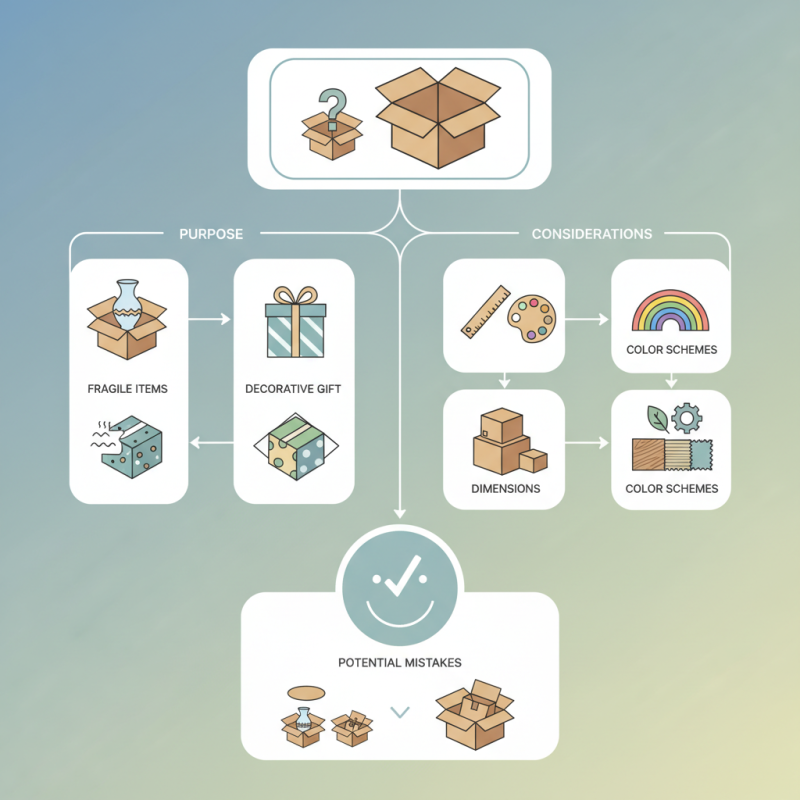
Consider the purpose of the specialty boxes. Are you shipping fragile items? Or perhaps you need a decorative box for a special gift? Each scenario requires different features. Think about materials, dimensions, and even color schemes. It’s crucial to reflect on these details to avoid potential disasters, like damaged goods or unsightly packaging.
Keep in mind that not every box is perfect for every situation. Mistakes can happen, such as choosing a box that’s too small or lacks adequate padding. These choices can lead to disappointment. Evaluating your specific needs and preferences will guide you in selecting the ideal specialty boxes for your unique requirements.
Types of Specialty Boxes Available in the Market
When selecting specialty boxes, understanding the types available is vital. Many options cater to diverse needs. Based on recent industry reports, the global specialty box market is anticipated to reach $4.3 billion by 2027, growing by 4.8% annually. This growth reflects the increasing demand for customized packaging solutions.
Common types include gift boxes, food packaging, and shipping containers. Gift boxes often come in unique shapes and colors, enhancing the presentation. Food packaging boxes need to meet strict safety standards. These are often designed to retain freshness. Shipping containers prioritize durability and protection during transit. Many companies sometimes overlook the importance of materials.
Choosing the right material can significantly impact product safety and customer satisfaction.
Another area worth considering is eco-friendly options. Sustainable boxes are gaining traction, with a noted 15% increase in consumer preference for recyclable materials. While these options can be pricier, the long-term benefits frequently outweigh initial costs. Still, some businesses face challenges in pricing negotiations and sourcing sustainable materials, which can hinder their decision-making process. Balancing cost, quality, and sustainability remains a work in progress for many.
Identifying Your Specific Needs for Packaging
Choosing the right specialty boxes begins with identifying your specific needs for packaging. It’s essential to assess the type of products you'll be shipping. Different items require different levels of protection. For fragile items, sturdy materials are non-negotiable. According to the Packaging Association, 67% of businesses report damage costs directly linked to inadequate packaging.
When considering dimensions, accuracy matters. A box that’s too tight may crush products. Conversely, a box that’s too big can lead to shifting during transport. Determine your items' size and weight. This data will help in choosing boxes that fit snugly, reducing damage risks. Look for boxes with cushioning features. Research indicates that approximately 30% of returns stem from packaging failures.
Tip: Always consider eco-friendly options. Consumers increasingly prefer sustainable practices. Research shows 55% of shoppers will choose brands offering environmentally friendly packaging. This preference influences purchasing decisions and enhances brand loyalty. Evaluate your priorities based on market trends. Reflect on whether your packaging accurately reflects your brand's values. Adjust as needed for the best outcomes.
How to Choose the Best Specialty Boxes for Your Needs? - Identifying Your Specific Needs for Packaging
| Box Type |
Material |
Dimensions (inches) |
Weight Capacity (lbs) |
Ideal Use |
| Rigid Box |
Paperboard |
12 x 9 x 3 |
5 |
Gifts, Cosmetics |
| Mailer Box |
Corrugated |
10 x 8 x 4 |
10 |
E-commerce, Shipping |
| Window Box |
Cardboard |
9 x 6 x 2 |
3 |
Bakery Items, Pastries |
| Folding Box |
Paperboard |
8 x 8 x 2 |
2 |
Retail Products, Small Gifts |
Factors to Consider When Choosing Specialty Boxes
When selecting specialty boxes, consider the size and shape. The dimensions should match your items perfectly. A box that is too large can lead to damage during transport. A box that is too small can squish your items. Measure carefully. If you're unsure, it's wise to experiment with a few different sizes.
Material is another crucial factor. Specialty boxes come in various materials like cardboard, plastic, or wood. Each material offers different protection levels. Think about what you’re storing or shipping. Delicate items may need sturdy or cushioned boxes.
Also, don’t forget about design and branding. A well-designed box can leave a lasting impression. If you're using these boxes for a business, ensure the design aligns with your brand's image. It’s easy to get lost in aesthetics, but functionality should never be compromised. Sometimes, a simple, protective box is better than one that looks great but lacks strength.
Comparison of Specialty Box Types
Comparing Materials and Durability of Specialty Boxes
When selecting specialty boxes, materials and durability are critical factors.
Common materials include cardboard, plastic, and wood.
Cardboard is lightweight and recyclable, making it a popular choice.
However, it can be susceptible to moisture.
According to a recent report, approximately
30% of cardboard boxes fail in wet conditions.
This highlights the need for careful consideration of the environment where the boxes will be used.
Plastic offers superior durability. It resists moisture and can withstand rough handling.
A study revealed that plastic boxes have a lifespan of about seven years when used regularly.
However, they are less environmentally friendly compared to cardboard.
Even with advances in recycling, plastic waste remains a significant issue.
This brings into question the long-term effects of relying solely on plastic solutions.
Wooden boxes offer excellent durability and a premium feel.
They are ideal for heavy items.
Yet, they are bulkier and may not suit all applications.
A survey found that around 40% of businesses prefer wooden boxes for shipping fragile items.
Ultimately, the choice of materials must align with specific needs.
Balancing durability with environmental impacts is an ongoing challenge.
Each option carries its pros and cons.
It's essential to reflect on what matters most for your specific use case.
Budgeting for Your Specialty Box Selection and Purchase
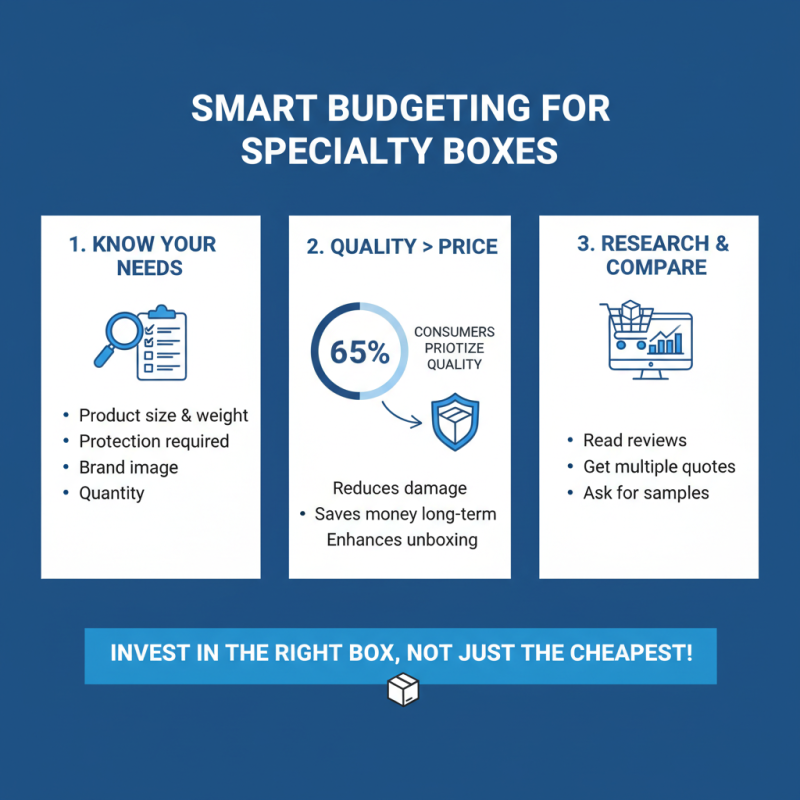
When budgeting for specialty boxes, it’s essential to understand your specific needs and preferences. Research shows that around 65% of consumers prioritize quality over price when selecting specialty boxes. This means that while it’s tempting to choose the cheapest option, ensuring that the box meets your requirements is far more critical. A poorly constructed box can lead to damaged contents, costing more in the long run.
Consider your budget carefully. Industry reports indicate that the average spending on specialty boxes ranges from $15 to $50, depending on size and materials. It’s important to balance cost with functionality. A box that looks appealing but lacks durability may not be a wise investment. Keep in mind, flexibility in your budget can help you adapt to unforeseen needs.
Additionally, think about the potential for customization. Many consumers often overlook this aspect. Custom boxes can range higher in price but offer unique solutions for specific items. Making a choice solely based on initial cost could lead to regret later if the box doesn't serve its intended purpose well. Always weigh additional costs against the value gained.