How to Choose the Perfect Presentation Boxes for Your Products?
Choosing the right presentation boxes can be challenging. These boxes play a vital role in product presentation. The right choice enhances your brand appeal and customer experience.
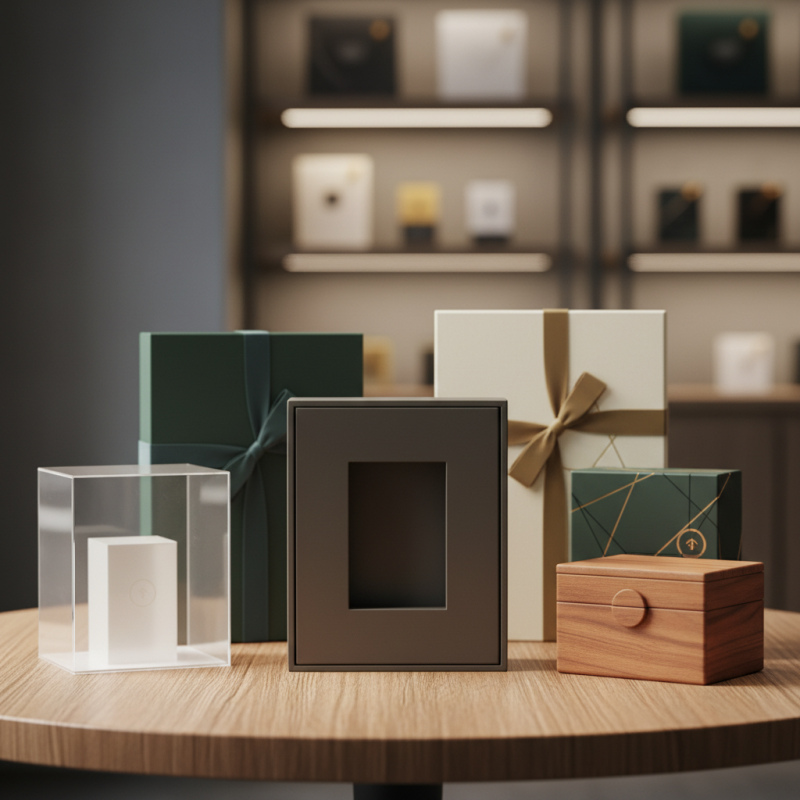
Consider the material of the presentation boxes. Cardboard, plastic, or wood can convey different messages about your brand. A sturdy box suggests quality. A sleek, minimalist design may attract a modern audience. Remember to think about size as well. A box that fits snugly around your product showcases it beautifully.
Colors and graphics are equally important. They should reflect your brand identity. A mismatched design can confuse customers. Take time to reflect on what truly resonates with your audience. Mistakes in this area can lead to missed opportunities. Make your presentation boxes a true extension of your brand story.
Understanding the Importance of Presentation Boxes in Product Packaging
Presentation boxes play a crucial role in product packaging. They significantly enhance the consumer's first impression. Research indicates that 72% of consumers feel more confident in purchasing when products are well-packaged. This statistic highlights the importance of investing in presentation boxes. Such boxes not only protect products but also elevate brand perception.
When selecting presentation boxes, consider material quality. Cardboard and rigid boxes are popular choices for durability. They provide a premium feel that attracts customers. If the box's design fails to reflect your brand, it can lead to confusion. Colors, shapes, and textures need careful consideration to create an emotional connection with consumers.
Tips: Keep your target audience in mind. What appeals to them? Employ unique designs to stand out. Remember, simplicity can be powerful. A cluttered box can confuse and deter potential buyers. Aim for a balance that showcases your product clearly. Don't overlook sustainability; eco-friendly boxes are becoming a consumer expectation.
Ultimately, the effectiveness of presentation boxes hinges on aligning them with your brand values. Reflect on how your packaging communicates your brand story. Make sure it aligns with the expectations of your consumers.
Identifying Your Target Audience to Tailor Presentation Box Design
Identifying your target audience is crucial for effective presentation box design. Start by analyzing potential buyers. Understand their preferences, age, and lifestyle. For example, younger audiences may appreciate modern, eco-friendly designs. Meanwhile, older consumers might prefer classic, elegant packaging. Tailoring your design to specific demographics can enhance its appeal.
Consider the emotions you want to evoke. A thoughtful design can drive desire and engagement. Vibrant colors may attract a younger crowd, while muted tones might resonate with a more mature audience. Reflecting on what makes your product unique can guide your choices. Remember, you’re not just selling a product; you’re selling an experience.
Feedback can reveal strengths and weaknesses of your current designs. Engage with your audience through surveys or social media. Understand their thoughts on packaging. This process is ongoing. Not every box will meet expectations, and that’s okay. Use these insights to refine your presentation box designs continuously.
How to Choose the Perfect Presentation Boxes for Your Products?
| Target Audience |
Preferred Material |
Design Elements |
Ideal Size |
Price Range |
| E-commerce Shoppers |
Recycled cardboard |
Minimalist design, eco-friendly labels |
Medium (10x8x4 inches) |
$2 - $4 |
| Luxury Clients |
Premium paper, wood |
Elegant finishes, gold foiling |
Large (12x10x5 inches) |
$10 - $20 |
| Health & Wellness Enthusiasts |
Biodegradable materials |
Natural colors, earthy tones |
Small (6x4x2 inches) |
$1 - $3 |
| Corporate Gifts |
High-quality cardboard, plastic |
Brand logos, custom prints |
Standard (8x6x3 inches) |
$5 - $8 |
Choosing the Right Materials for Durable and Attractive Presentation Boxes
When selecting materials for presentation boxes, it’s crucial to consider durability and visual appeal. High-quality cardboard is a popular choice. It’s sturdy yet lightweight, making it easy to handle. However, not all cardboard is equal. Some types may not withstand rough handling. Always test the strength before making a final decision.
Another option is rigid paperboard. This material offers a premium look. It enhances the overall impression of your product. Unfortunately, it can be more expensive and less eco-friendly. When choosing, weigh the benefits against your budget and values.
Don’t forget about finishes. Matte or glossy coatings can add charm. However, these can also affect the box's price. A well-chosen finish speaks volumes about your brand. It shows attention to detail but can require frequent reassessment. Remember, the perfect presentation box combines aesthetics with practicality. Balancing these factors can be challenging, but necessary.
Material Preferences for Presentation Boxes
Exploring Various Styles and Shapes of Presentation Boxes for Different Products
Choosing the right presentation box for your products can significantly impact their appeal. Various styles and shapes cater to different kinds of items. For instance, a hexagonal box works well for gourmet chocolates or artisan goods. Its unique shape grabs attention immediately. A simple, rectangular box may suit tech gadgets better, offering a sleek and modern look.
Consider the material as well. Rigid boxes feel high-end, perfect for jewelry or luxury items. Meanwhile, corrugated boxes are functional for heavier products. They offer durability but might lack elegance. Customization options, like colors and finishes, can also enhance your product's presentation. Reflect on the message you want to convey.
It's essential to balance aesthetics and practicality. A beautiful box may not serve its purpose if it doesn’t protect the product. Sometimes, creative designs can be impractical. Boxes that look great on display may not be stackable. Think about shipping and storage. Not all boxes fit seamlessly into a retail environment. Reflect on what truly works best for your product's needs.