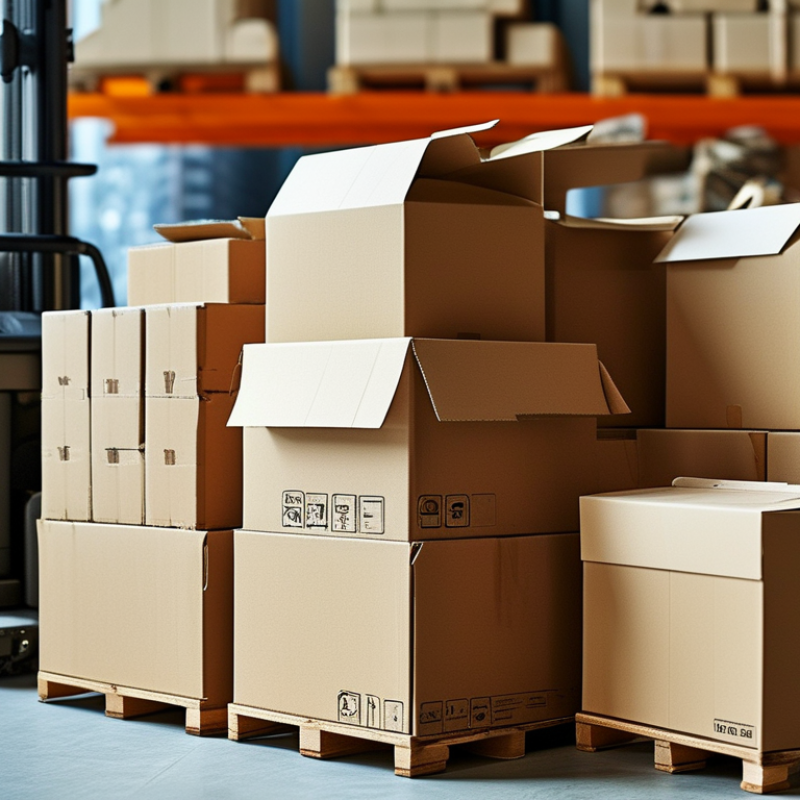
How to Choose the Best Bulk Shipping Boxes for Your Business?
Choosing the right bulk shipping boxes is crucial for businesses. They protect your products during transit. Also, they play a key role in logistics and supply chain management. Proper selection can reduce costs and enhance delivery efficiency.
Consider the size and weight of your products. The box must fit well to prevent damage. Cardboard, plastic, or wood may serve your needs, but each material has pros and cons. Evaluate the durability of the bulk shipping boxes. Strong boxes reduce the risk of breakage. Always think about your brand’s image. Custom prints or colors can enhance visibility.
While finding the perfect box can be challenging, assessing your needs leads to better decisions. Test different options before settling. Don’t hesitate to ask suppliers for advice. They can offer insights on what works best. A thoughtful approach will make shipping smoother and more reliable.
Understanding the Different Types of Bulk Shipping Boxes Available
When selecting bulk shipping boxes, it’s crucial to understand the various types available. The most common types include corrugated boxes, stretch film, and pallets.
Corrugated boxes are preferred for their durability. A study from the Paper and Packaging Board reports that nearly 80% of all products are shipped in corrugated packaging. This material is not only lightweight but also provides excellent protection.
Stretch film is another popular option. It is used for securing multiple items together. The stretch film market has grown significantly, projected to reach $11 billion by 2025. This increase reflects its importance in bulk packaging. Meanwhile, pallets facilitate easier handling and stacking of goods. A significant 65% of the global market relies on pallets for efficient logistics.
Choosing the right box type depends on your specific needs. Consider product weight and fragility. Is your product delicate? Think about additional cushioning. Too often, businesses overlook the importance of box size. Using the wrong size can lead to damage in transit. Each type of box has its advantages and limitations. It’s vital to assess your shipping requirements carefully.
Assessing Your Shipping Needs and Requirements
When choosing bulk shipping boxes, understanding your specific shipping needs is crucial. Consider the types of products you will be shipping. Are they fragile, heavy, or high-value items? The nature of your items will influence the box size, strength, and material. Opt for boxes that can withstand wear and tear during transit. It’s essential to assess how much space your products will occupy. Overly large boxes may lead to additional shipping costs while risking damage.
Tips: Measure your items accurately. This prevents issues with sizing. Think about using uniform box sizes for efficiency in packing and storage. This practice can simplify your logistics.
Evaluate your shipping destination as well. Domestic and international shipments may have different packaging requirements. Additionally, customs regulations could affect your choice of materials. It’s wise to stay updated on these aspects. Some regions might have restrictions on certain materials.
Tips: Research local regulations before finalizing your packaging. This is not only a time-saver but could also prevent compliance issues. Engaging with a reliable shipping consultant might provide valuable insights into material recommendations.
How to Choose the Best Bulk Shipping Boxes for Your Business?
| Box Type |
Dimensions (inches) |
Weight Capacity (lbs) |
Material |
Best Use Cases |
| Standard Corrugated Box |
16 x 12 x 12 |
30 |
Corrugated Cardboard |
E-commerce shipments |
| Heavy-Duty Shipping Box |
24 x 18 x 18 |
50 |
Double-Walled |
Fragile items |
| Flat Shipping Box |
14 x 11 x 3 |
20 |
Single-Walled |
Documents & Artwork |
| Padded Mailer |
10 x 15 |
5 |
Paper & Bubble Wrap |
Small gadgets & textiles |
| Custom Box |
Variable |
Depends on design |
Varies |
Specialty items |
Evaluating the Strength and Durability of Shipping Materials
Choosing the right shipping materials is crucial for any business. The strength and durability of shipping boxes play a vital role in ensuring that products arrive in pristine condition. A recent industry report highlights that damaged goods can cost businesses over $1 billion annually. Selecting materials that can withstand impact and stress is essential for minimizing such losses.
When evaluating shipping boxes, consider the material's thickness and structural integrity. Corrugated cardboard is commonly used due to its lightweight yet robust nature. The Edge Crush Test (ECT) is an industry standard that gauges the compressive strength of the material. Boxes with an ECT rating of 32 or higher tend to provide better protection for heavier items. However, relying solely on box ratings may lead to overlooking the unique demands of your products.
It's important to evaluate the environmental conditions that packaging will face during transit. High humidity or extreme temperatures can compromise material strength. Businesses often underestimate how weather impacts shipping reliability. Incorporating weather-resistant features into your packaging can enhance durability. Regular assessments of shipping strategies will help identify weaknesses in your packaging solutions. This ongoing evaluation ensures your shipping boxes remain fit for purpose as your business evolves.
Calculating Cost-effectiveness of Bulk Shipping Boxes
When selecting bulk shipping boxes, cost-effectiveness is a critical factor. Start by calculating the total expenses involved in shipping. This includes box costs, packing materials, and shipping fees. Make sure to factor in the dimensions of the boxes as well.
Oversized boxes can lead to higher shipping costs. Standardizing box sizes can help in optimizing your shipping budget.
Considering the materials used in your boxes is equally important. Lightweight options reduce shipment weight but ensure they are sturdy enough to protect contents. Assess packaging waste as well. Eco-friendly materials can save money and resonate with environmentally conscious customers.
Sometimes, the cheapest option is not the best. Invest in quality boxes that will last. Test different types to find the perfect balance between cost and performance.
Environmental Considerations in Choosing Shipping Boxes
When selecting shipping boxes for your business, environmental considerations are key. Sustainable packaging minimizes waste and reduces carbon footprints. Opt for recyclable materials when possible. This choice aligns with a growing consumer preference for eco-friendly products. Using biodegradable shipping boxes can also enhance your brand's image.
It's essential to review the lifecycle of your packaging. Some materials, while appealing, may not be environmentally friendly. For example, non-recyclable plastics contribute to long-term pollution. On the other hand, sustainable options often have competitive prices and can improve customer loyalty. Customers appreciate businesses that prioritize sustainability.
Additionally, consider the size and weight of your shipping boxes. Compact packaging reduces shipping costs and energy consumption. Overly large boxes are not only wasteful; they can damage products during transit. Regularly assess supply chains to identify opportunities for eco-improvements. Encourage suppliers to adopt greener practices as well.
Best Bulk Shipping Boxes: Environmental Considerations