Best Personalized Boxes for Your Unique Packaging Needs?
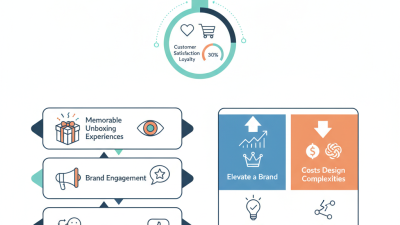
In today's competitive market, personalization has become essential. Brands strive to connect deeply with customers. One powerful way to achieve this is through personalized boxes. These tailored packages enhance the unboxing experience and leave a lasting impression.
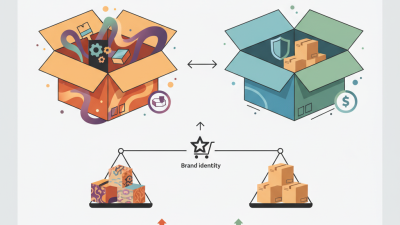
Personalized boxes can reflect a brand's identity. They can include logos, colors, and textures that resonate with consumers. A thoughtful design creates a sense of belonging. It’s not just about the product; it’s about the entire experience. However, creating personalized boxes is not without its challenges. There may be constraints on materials or costs that affect design choices. Brands must balance uniqueness with practicality.
Ultimately, the goal is to stand out while remaining true to the brand's values. Personalized boxes offer both a canvas for creativity and a tool for better customer engagement. They help establish a memorable connection. This connection can lead to customer loyalty and increased sales. As we explore the best options for personalized packaging, we should keep these factors in mind.
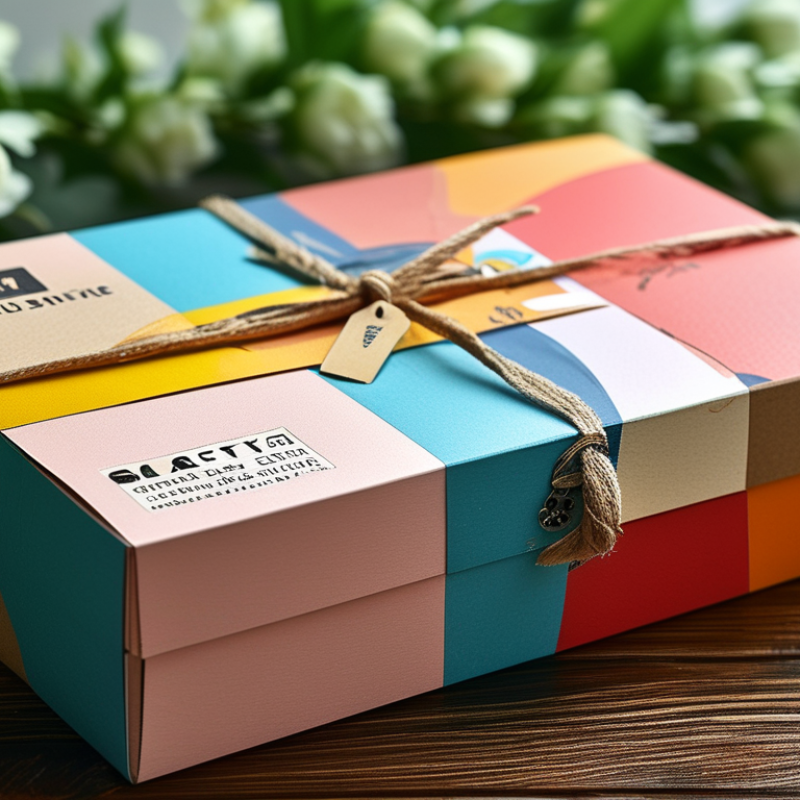
Understanding the Importance of Personalized Packaging in Modern Retail
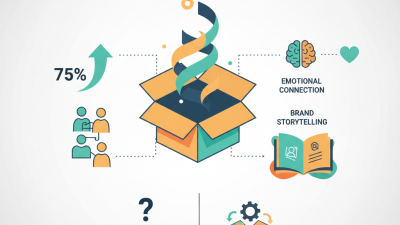
Personalized packaging serves as a vital tool in modern retail. Reports indicate that 72% of consumers consider packaging design when making a purchase. Unique packaging can create a memorable experience, fostering brand loyalty. Moreover, 61% of consumers believe that personalized packaging reflects a brand’s commitment to quality.
Customization allows brands to tell their story visually. A well-designed box can capture attention on crowded shelves. Detailed graphics and thoughtful shapes can differentiate products in a competitive market. A 2021 study found that brands using unique packaging saw a 15% increase in sales, underscoring its impact.
Tips for effective packaging include keeping your design simple yet memorable. Use colors that resonate with your target audience. Additionally, incorporate sustainable materials to appeal to environmentally conscious consumers. Reflect on customer feedback regularly. It’s essential to adapt your packaging strategy based on evolving consumer preferences. This iterative approach can lead to lasting connections with your audience.
Key Factors Driving Demand for Customized Packaging Solutions
In today's market, customized packaging solutions are gaining momentum. Businesses seek unique packaging to stand out. Personalization creates a strong connection with customers. This approach not only enhances brand identity but also makes products memorable.
Several factors drive this demand. Consumer preferences are shifting towards individuality. Shoppers love products that reflect their personality. A well-designed package can evoke emotions and encourage purchases. Additionally, eco-conscious consumers favor brands that embrace sustainable practices. Custom packaging can meet these expectations while remaining attractive.
However, customization comes with challenges. Not all companies have the resources for mass personalization. Balancing cost and design is crucial. Companies must ensure their unique offerings align with their brand vision. Navigating this landscape demands both creativity and strategy. Only through careful consideration can businesses thrive in this competitive space.
Best Personalized Boxes for Your Unique Packaging Needs
| Dimension |
Description |
Driving Factors |
Market Trends |
| Material Type |
Eco-friendly, Biodegradable, Recyclable |
Sustainability concerns |
Increase in green packaging solutions |
| Customization Options |
Size, Shape, Design, Print |
Brand identity and differentiation |
Growth in personalized marketing |
| Cost Factors |
Production costs, Minimum order quantities |
Budget sensitivity among businesses |
Emerging cost-effective solutions |
| Lead Time |
Turnaround time from order to delivery |
Demand for faster delivery |
Increase in faster production techniques |
| Target Industries |
E-commerce, Retail, Food & Beverage |
Diverse packaging needs |
Market expansion in diverse sectors |
Top Trends in Personalized Box Design for 2023 and Beyond
In 2023, personalized box design is evolving rapidly. Custom packaging now supports various styles and materials. Brands are embracing eco-friendly options. Consumers also demand unique designs that reflect their individuality. The use of bold colors and innovative shapes is becoming a common trend. Packaging should entice the customer and stand out on shelves.
Textures also play an important role in personalized box design. A slick finish can communicate luxury. Alternatively, a rustic feel might suggest authenticity. It's essential to match the packaging to the brand's identity. Digital printing technology is enabling more intricate designs and better color accuracy. The lines between functional and artistic packaging are blurring.
However, companies sometimes overlook practical considerations. A stunning design may fail if it doesn't protect the product adequately. Usability matters; a beautiful box must be easy to open. Reflecting on design choices can lead to better outcomes. Striking a balance between aesthetics and functionality remains a challenge. Embracing customer feedback will improve future designs.
How to Choose the Right Material for Your Personalized Packaging Needs
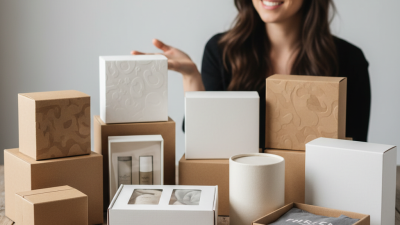
Choosing the right material for your personalized packaging is crucial. Different materials can influence the perception of your brand. They also impact how your product is protected and presented. Common choices include cardboard, corrugated paper, and eco-friendly options. Each material has strengths and weaknesses.
Cardboard is versatile and easy to print on. It provides adequate protection for many products. However, it may not be the best choice for fragile items. Corrugated paper offers superior strength and cushioning. It's ideal for shipping as it resists crushing. On the downside, it might be bulkier and less visually appealing than other materials.
Eco-friendly materials are gaining popularity. They reflect a brand’s commitment to sustainability. Yet, they might come with a higher price tag. When selecting materials, think about your brand values and customer expectations.
Tips: Test different materials before mass production. Consider how the packaging feels in hand. Look for feedback on the unboxing experience. This can inform your final choice. Remember, your packaging is part of your product’s story. Choose wisely, keeping both practicality and aesthetics in mind.
Case Studies: Successful Brands Leveraging Custom Packaging Strategies
Custom packaging has become essential for brands looking to stand out. With 72% of consumers stating that packaging influences their purchasing decisions, brands must strategize carefully. One notable example involves a beverage company that saw a 30% increase in sales after switching to personalized boxes. This illustrates how impactful a thoughtfully designed package can be.
Another case highlights a cosmetics brand that utilized sustainable materials in its custom packaging. Reports show that 60% of consumers prefer brands committed to sustainability. The clever integration of eco-friendly designs not only attracted environmentally conscious buyers but also fostered brand loyalty. However, some brands struggle to balance aesthetics and functionality, often compromising on product protection.
Moreover, data from a recent packaging industry report indicated that 40% of consumers retain custom packaging for future use. This showcases the potential for reusability as part of a brand's identity. However, brands must consider their long-term impact, as overly elaborate packaging could lead to waste. It’s essential to find a balance that enhances the unboxing experience while remaining sustainable.