What are the Best Luxury Fabrics for Global Sourcing?
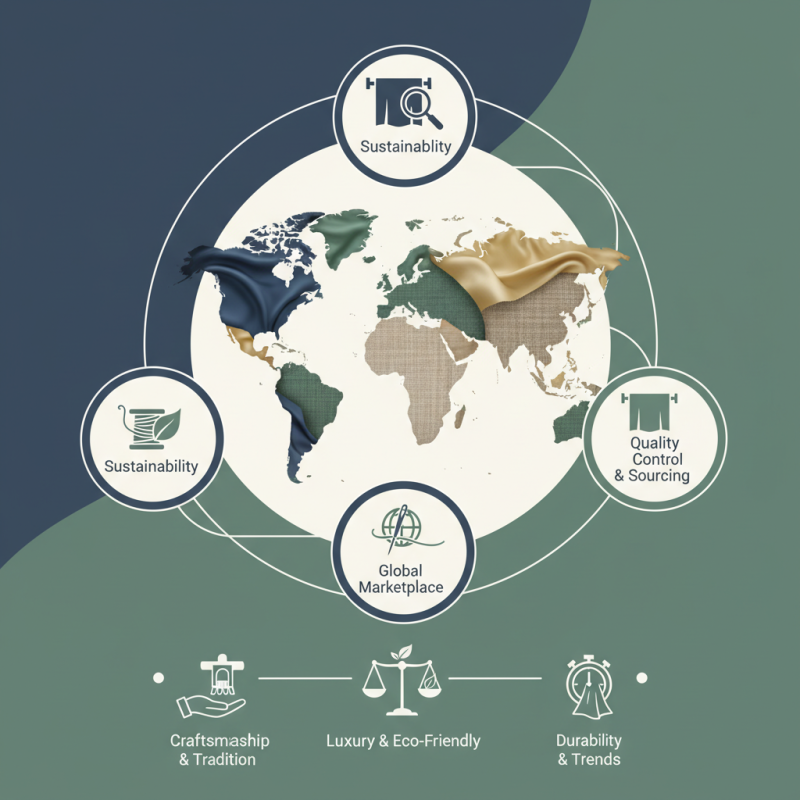
In today's global marketplace, selecting the right Luxury Fabrics is crucial for brands aiming to convey prestige and quality. Luxury fabrics, such as silk, cashmere, and linen, play a significant role in creating products that stand out. Each fabric carries a unique story of craftsmanship and tradition, making it essential for designers to understand their characteristics and origins.
Choosing luxury fabrics requires experience and knowledge in sourcing. Not all fabric suppliers are created equal. Some may lack the necessary quality control or ethical practices. It's vital to verify the credibility of sources to ensure reliability. The fabric must not only feel exquisite but also withstand the test of time and trends.
For brands that prioritize sustainability, luxury fabrics often come from eco-friendly sources. However, this presents a challenge. The balance between luxury and sustainability can be tricky. It forces brands to reflect on their choices and their impact on the environment. Ultimately, the quest for the best luxury fabrics is both a journey of discovery and a responsibility.
Understanding Luxury Fabrics in Global Sourcing
Understanding luxury fabrics in global sourcing is essential for businesses aiming to create high-quality products. Fabrics like silk, cashmere, and fine wool are often considered the epitome of luxury. Each fabric has unique characteristics and sourcing challenges. For instance, silk is renowned for its softness and sheen, but it requires sustainable farming practices to ensure quality.
**Tips:** When sourcing luxury fabrics, always verify the supplier's credentials. Look for certifications that guarantee ethical sourcing. Transparency in the supply chain is vital for maintaining quality standards.
Cashmere, on the other hand, is incredibly soft and lightweight. However, its production can have significant environmental impacts if not managed properly. Consumers increasingly demand eco-friendly options, so sustainability is key.
**Tips:** Focus on suppliers who use innovative techniques to reduce waste. Emphasizing sustainability can enhance the brand's reputation and attract conscious consumers.
Lastly, fine wool offers durability and warmth. Yet, not all wool is created equal. There can be vast differences in texture and quality depending on the sheep breed and farming methods. Ensuring that you partner with reputable farms will prevent quality issues down the line.
**Tips:** Regularly inspect samples and communicate openly with suppliers. Establishing strong relationships with them will help ensure consistent quality and reliability.
Key Characteristics of High-Quality Fabrics
When sourcing luxury fabrics, understanding their key characteristics is essential. High-quality fabrics often feature distinct textures that appeal to the senses. A smooth silk feels heavenly against the skin, while cashmere offers a soft warmth that is hard to resist. These attributes contribute to the overall experience of wearing luxury garments.
Durability is another hallmark of premium fabrics. They are designed to withstand time, ensuring that garments maintain their look and feel. For example, well-constructed wool can resist wrinkling and retain shape, which is crucial for high-end fashion. However, one must be aware of the care required for these materials. Some luxury fabrics can be delicate. They may require special cleaning methods to avoid damage.
Additionally, many luxury fabrics are sourced ethically and sustainably. This practice reflects a growing demand for environmentally-conscious products. However, transparency in sourcing can be a challenge. Consumers must remain vigilant to ensure they choose fabrics that align with their values. In navigating this complex landscape, it is vital to prioritize quality, sustainability, and ethical practices when selecting fabrics for luxury garments.
Popular Luxury Fabrics Sourced Worldwide
Luxury fabrics are pivotal in the global textile market. They cater to diverse taste and quality demands. Among the most sought-after fabrics are silk, cashmere, and linen. According to a report by Statista, the global luxury fabric market is projected to reach $16.2 billion by 2025. This data highlights the growing trend in high-end fabric consumption.
Silk, revered for its softness and sheen, is produced primarily in Asia. China leads in silk production, with India following closely. Cashmere, famous for its warmth and lightweight feel, is another luxury choice. The sourcing of cashmere involves ethical considerations, particularly concerning animal welfare in Mongolia and China.
Linen stands out for its breathability and sustainability. European countries, especially Belgium and France, are known for their high-quality linen. However, the sourcing process can be challenging. Quality control issues often arise, influencing the final product's integrity. Data from the Textile Exchange suggests a need for greater emphasis on sustainability practices. This helps address both environmental impacts and social responsibility within the luxury fabric industry.
Sustainable Practices in Luxury Fabric Sourcing
Sustainable practices in luxury fabric sourcing are increasingly important in today’s fashion industry. Many brands are prioritizing environmentally friendly materials. This shift reflects a growing awareness of the textile industry's impact on the environment. Eco-friendly fabrics often use organic fibers, which reduce the use of harmful pesticides. Additionally, they require less water and energy during production.
Sourcing also involves ethical considerations. Brands need to ensure fair labor practices in their supply chains. Transparency in sourcing is vital. It builds trust with consumers who are more informed than ever. However, many companies still struggle with full supply chain visibility. Challenges include lack of access to reliable suppliers and verification processes.
The luxury market faces pressure to balance opulence with sustainability. Achieving this is a complex task. Many fabrics touted as sustainable may not meet consumer expectations. Brands must continuously assess their sourcing methods. Engaging with communities and seeking innovative solutions can drive genuine change. Thoughtful sourcing can lead to more sustainable production practices.
Best Luxury Fabrics for Global Sourcing
This chart depicts the sustainability scores of various luxury fabrics sourced globally. The sustainability score ranges from 1 to 10, where a higher score indicates better sustainable practices in sourcing.
Challenges in Sourcing Luxury Fabrics Globally
Sourcing luxury fabrics globally presents notable challenges. Many suppliers operate in regions with varying standards, making quality control complex. Fabric consistency can differ even within the same country. This inconsistency demands rigorous quality checks, which can slow down the sourcing process.
Communication also becomes a significant hurdle. Language barriers and cultural differences often complicate negotiations. It’s essential to establish clear expectations upfront. However, misunderstandings can still arise, leading to delays in production or subpar materials.
Moreover, each region may have its unique sourcing practices, affecting lead times. Sustainability adds another layer of difficulty. The trend is shifting towards eco-friendly materials, yet sourcing these responsibly can be hard. Not all suppliers prioritize sustainable practices, which raises ethical concerns.
Therefore, it’s crucial to research suppliers thoroughly. A deep understanding of local markets is necessary to navigate these challenges effectively.