Are Bespoke Cardboard Boxes the Best Choice for Your Business?
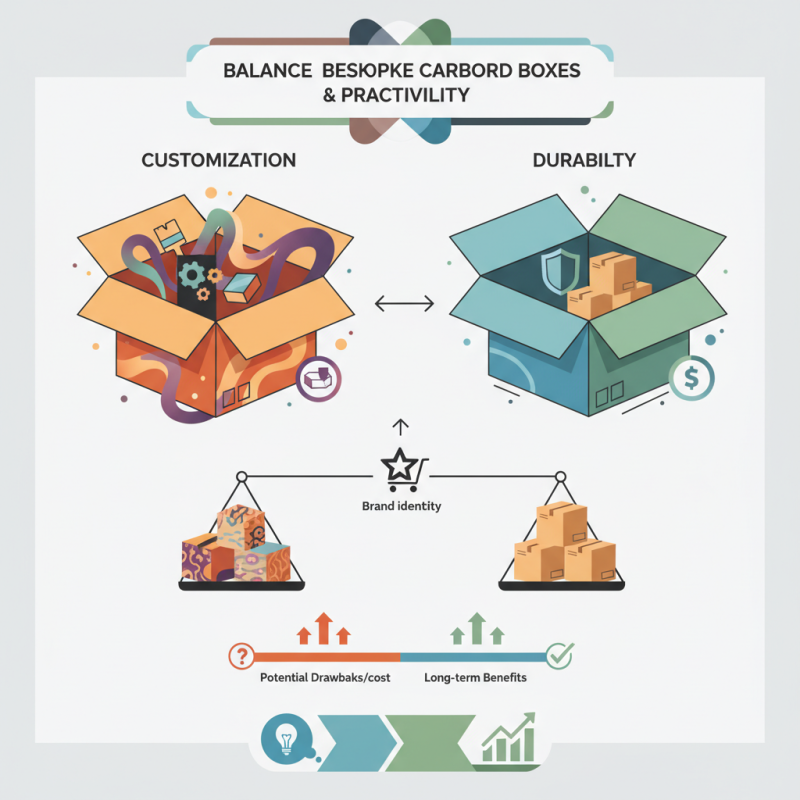
In today's competitive market, the packaging of products plays a crucial role. Companies are constantly seeking unique solutions. Bespoke cardboard boxes have emerged as a popular choice. They offer customization and durability, tailored to a business's needs. Each box can reflect a brand’s identity, enhancing customer experience.
While many see bespoke cardboard boxes as ideal, they require careful consideration. Durability can vary based on materials used. Costs may also rise when opting for fully customized designs. Some businesses might hesitate due to these potential drawbacks. However, the right balance can lead to long-term benefits.
Investing in bespoke cardboard boxes can elevate a product's appeal. They serve not just as containers, but as marketing tools. The design impacts first impressions, crucial for customer retention. However, businesses should weigh the pros and cons. Balancing creativity with practicality can be challenging yet rewarding.
Benefits of Bespoke Cardboard Boxes for Businesses
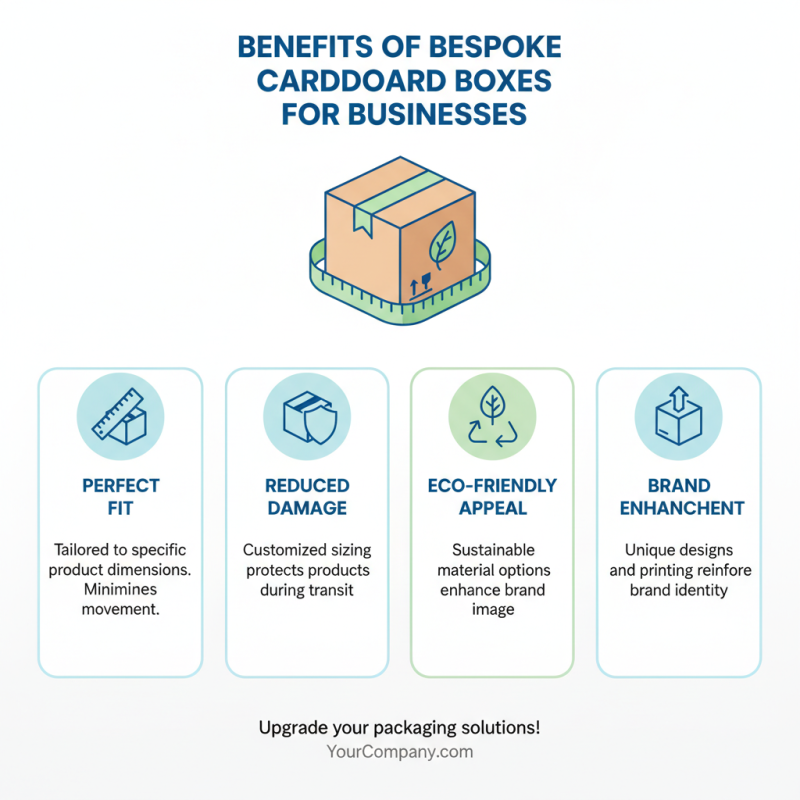
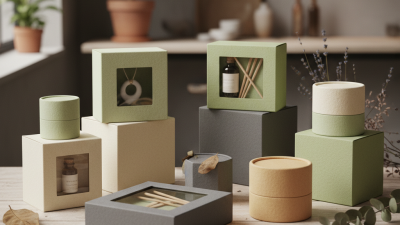
Bespoke cardboard boxes offer several advantages for businesses aiming to improve their packaging solutions. These boxes can be tailored to specific dimensions and designs, ensuring a perfect fit for your products. Customized sizing minimizes movement during transit. This reduces the risk of damage. Choosing the right materials is vital too; sustainable options can enhance your brand’s eco-friendly appeal.
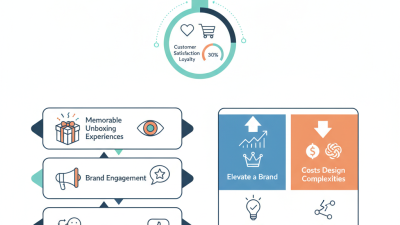
One often overlooked benefit is brand identity. Unique packaging can create a memorable unboxing experience for customers. A well-designed box reflects the brand’s values and quality. However, businesses should consider production costs against potential returns. Custom solutions may require a larger upfront investment. It's essential to weigh these factors carefully.
Additionally, bespoke boxes can help streamline operations. They may simplify packing processes. However, this isn't always the case. Inefficient designs can lead to delays. It’s important to gather feedback from your team about functionality. Engaging different perspectives can lead to a more effective packaging solution. This iterative approach can be more resource-efficient in the long run.
Key Factors to Consider When Designing Cardboard Boxes
When designing cardboard boxes, multiple factors come into play. First, consider the material. Strong, eco-friendly cardboard can enhance durability while showcasing your commitment to sustainability. Different thicknesses serve various purposes. A lightweight box may be suitable for retail, while a more robust option could be needed for shipping fragile items.
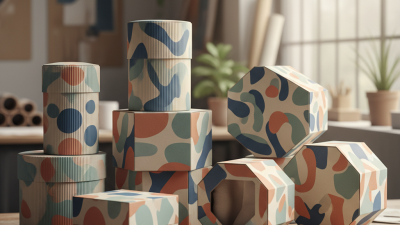
Next, think about the visual appeal. Custom graphics can draw attention and communicate brand values effectively. Colors should align with your brand identity. Remember, the box should not just look good; it must be functional too. Will it protect your product during transit? Will it be easy for customers to open?
Finally, reflect on the size and shape. Standard sizes may save costs, but custom dimensions can improve product presentation and reduce waste. Balancing aesthetics with practicality requires testing and feedback. Sometimes, a straightforward design can be more effective than an elaborate one. Don’t hesitate to experiment and adapt based on customer needs.
Factors Influencing the Choice of Custom Cardboard Boxes
Comparing Bespoke Cardboard Boxes to Standard Packaging Options
When it comes to packaging, businesses often face a choice: bespoke cardboard boxes or standard options. Bespoke boxes are tailored to meet specific dimensions and branding requirements. On the other hand, standard packaging is mass-produced and may lack the unique touch that bespoke options offer. Research indicates that customized packaging can increase sales by 30%, demonstrating its potential impact on consumer behavior.
In addition to aesthetics, bespoke cardboard boxes can provide better protection for products. A report by the Paper and Packaging Board states that over 40% of consumers believe packaging quality affects their perception of a brand. Misalignment in packaging can lead to product damage during transit, resulting in lost revenue. Companies should weigh these issues against the cost-effectiveness of standard packaging, which can often be cheaper but may not offer the same level of protection.
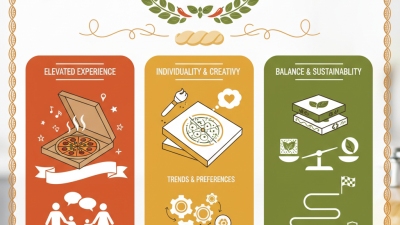
While bespoke boxes may look appealing, they can come with drawbacks. The design process can be time-consuming. Additionally, producers may face longer turnaround times compared to standard packaging. Businesses must consider these factors when making a decision. Ultimately, the choice between bespoke and standard packaging depends on balancing unique branding needs with cost and practicality.
Sustainability and Environmental Impact of Cardboard Packaging
Cardboard packaging is a popular choice for businesses today. Its environmental impact is a crucial factor to consider. Cardboard is primarily made from renewable resources. This makes it a more sustainable option compared to plastic packaging. However, not all cardboard products are equally eco-friendly. The sourcing and production processes can vary significantly.
Sustainable cardboard packaging reduces waste and supports recycling efforts. Many businesses are now prioritizing sustainable materials. This trend aligns with consumer preferences for eco-conscious products. Yet, some companies still overlook the importance of sourcing practices. Using recycled materials is a step in the right direction but not foolproof. Packaging design also plays a role in determining its sustainability. Oversized boxes can lead to unnecessary waste.
While bespoke cardboard boxes can be attractive and functional, they must be carefully evaluated. Assessing the entire lifecycle of packaging is essential. The impact of production, usage, and disposal is crucial for long-term sustainability. Achieving optimal environmental impact requires ongoing reflection and improvement. This is the responsibility of every business committed to sustainability.
Cost-Effectiveness of Custom Cardboard Solutions for Different Industries
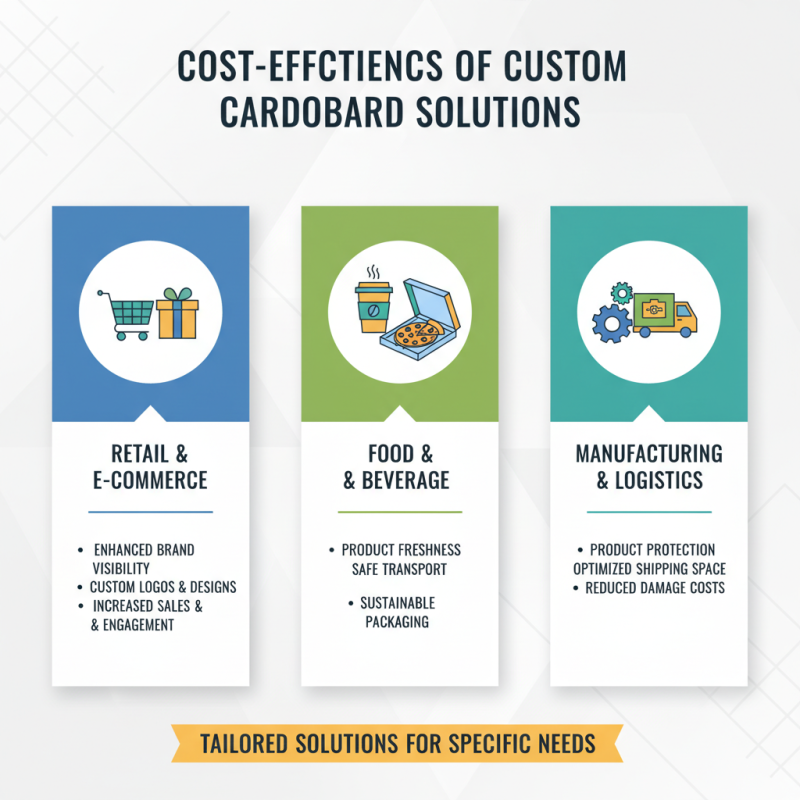
Custom cardboard boxes offer a cost-effective solution for various industries. These boxes can be tailored to meet specific needs. For retailers, bespoke boxes enhance brand visibility. They can be printed with logos and designs, making products stand out. This can drive sales and improve customer engagement.
In manufacturing, custom cardboard solutions reduce shipping costs. They fit products perfectly, minimizing space. A well-fitted box can lower transportation expenses. This is valuable for budget-conscious businesses. However, some may question the durability of cardboard. If not designed properly, boxes may not withstand rough handling during transit.
For e-commerce, the importance of packaging cannot be overstated. Unique designs can improve customer unboxing experiences. Yet, businesses should reflect on the environmental impact of materials used. Sustainability is increasingly important. Balancing cost-effectiveness with eco-friendly practices requires thoughtful planning. It's essential to find a middle ground that satisfies both financial and ecological considerations.