✕

2026 Best Soap Packaging Boxes for Global Buyers?

Choosing the right soap packaging boxes in 2026 requires more than attractive printing. Global buyers must balance protection, sustainability, cost, branding, and supply reliability. A beautiful carton is not successful if humidity softens its edges during ocean transport. A low-cost box also loses value when poor folding damages the soap inside.

Packaging consultant Evelio Mattos describes packaging as “the silent salesperson.” This idea remains practical for soap brands. A box communicates quality before customers touch the product. Smooth kraft paper can suggest natural care. A rigid drawer box may support premium positioning. Clear ingredient panels and readable usage details also build confidence across different markets. However, visual appeal should never replace verified material performance.

This guide examines the best soap packaging boxes for global buyers, including folding cartons, kraft boxes, sleeve designs, and recyclable rigid structures. It considers paper thickness, moisture resistance, insert stability, print consistency, and shipping efficiency. Buyers should request physical samples, production proofs, and testing information before placing large orders. Small details matter. A tight tuck flap can prevent accidental opening. A well-fitted insert can reduce movement and surface scratches.

No packaging choice is perfect. Recycled paper may show natural fibers or slight color variation. Water-based coatings can behave differently in humid storage. These limitations deserve honest discussion, not polished promises. Experienced suppliers should explain them clearly and suggest workable adjustments. The strongest buying decision often comes from comparing samples under realistic conditions, including stacking, handling, and temperature changes. For international brands, reliable communication may matter as much as the box itself.

2026 Best Soap Packaging Boxes for Global Buyers?

What Makes Soap Packaging Boxes Suitable for Global Buyers in 2026

For global buyers in 2026, soap packaging boxes must protect products across long shipping routes, changing climates, and repeated handling. A suitable box uses sturdy paperboard with accurate folding lines and secure closures. Moisture resistance also matters, especially when cartons move through humid ports or warehouses. Small details matter. A clean inner fit prevents soap bars from sliding, scratching, or losing their shape.

Packaging teams should check box dimensions against real soap samples, not only digital drawings. A 2-millimeter gap can create movement during transport. Clear product information, readable printing, and multilingual space help retailers serve different markets. Buyers should also request material specifications, ink details, and test records from suppliers. These documents support responsible purchasing and make quality comparisons easier.

Sustainable materials are important, but recycled board is not automatically the best choice. Some recycled grades soften quickly in damp conditions. This is an uncomfortable trade-off. The better solution may combine recycled content, efficient sizing, and limited protective coatings. Buyers should review recyclability claims carefully and confirm local packaging requirements before production. A small pilot order can reveal crushed corners, weak glue points, or color changes that samples may hide. That extra check costs time, yet it can prevent larger losses.

Key Materials and Structural Designs for Soap Packaging Boxes

Soap packaging must protect the bar before it reaches a bathroom shelf. In practical packing tests, 300–400 gsm paperboard offers a useful balance of stiffness and cost. Kraft board gives a natural texture, while white folding boxboard supports sharper colors. Recycled fibers can reduce virgin material use, but their surface may show small specks. That is not always a defect. It can signal honest material selection.

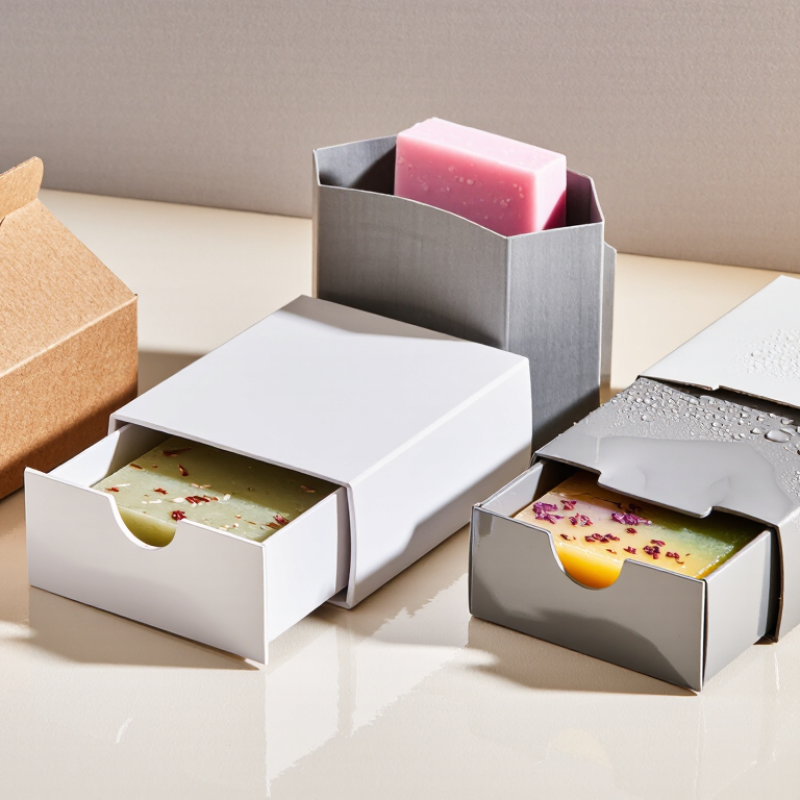
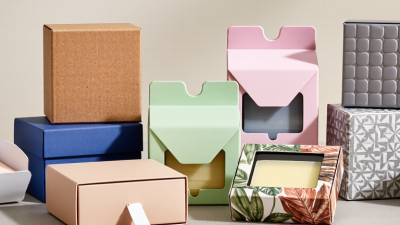
Moisture and fragrance oils need careful consideration. A water-based coating can improve surface resistance without making the box feel overly plastic. For humid shipping routes, a stronger inner wrap may still be necessary. Tuck-end cartons suit efficient filling and flat shipping. Sleeve designs create a premium feel, but they can slide during transport. Lock-bottom structures add security for heavier soap bars, although they may use more board and require precise machine settings. Die-cut windows attract buyers, yet they weaken the front panel and expose the soap to light.

Tips: Test the box with a real soap bar, not an empty sample. Rub the surface with damp fingers. Drop packed cartons from shelf height. Check whether corners crush, tabs open, or fragrance marks appear. Ask converters for compression and humidity data. A design that looks perfect on screen may fail after several days in a warm container. Small adjustments to board thickness, crease depth, or inner spacing often improve reliability more than decorative finishes.

How to Choose Soap Boxes for Protection, Branding, and Product Fit

2026 Best Soap Packaging Boxes for Global Buyers?

How to Choose Soap Boxes for Protection, Branding, and Product Fit

A good soap box begins with accurate product measurements. Record the bar’s length, width, height, and weight before selecting a structure. Leave minimal clearance. Too much space allows movement and surface scuffing. Too little space creates pressure during packing and transport. From practical packaging tests, a snug fit usually protects better than thick material alone. Moisture resistance also matters, especially for handmade soaps with oils or fresh ingredients. Folding cartons, rigid boxes, and kraft options each perform differently in humid storage conditions. Request physical samples before placing a large order.

Tips: Test the packed box in a warm, damp room. Shake it gently. Check crushed corners, loose lids, and print rubbing. A small flaw may become expensive during international shipping.

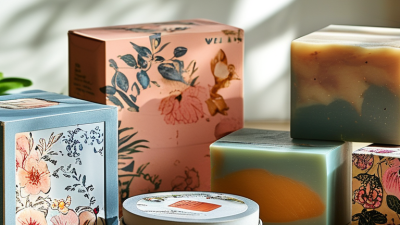
Branding should support recognition without weakening protection. Use clear colors, readable product details, and consistent panel placement. Tactile paper textures can make a simple box feel more considered. However, heavy coatings may complicate recycling, and environmental claims should be verified. Avoid choosing decoration before confirming structural strength. That mistake happens often. Ask suppliers about paper thickness, ink durability, assembly tolerances, and carton packing methods. Compare samples under real handling conditions, not only in photographs. A reliable supplier should explain material limits clearly and provide repeatable specifications.

2026 Best Soap Packaging Boxes for Global Buyers

Typical soap box size references help buyers balance product fit, protection, branding space, and shipping efficiency. Final dimensions should be confirmed against the actual soap bar and dieline.

The reference dimensions represent commonly used planning ranges for individual bar soap cartons. A close product fit can reduce movement and material waste, while extra clearance may be needed for inserts, wrapping, or premium presentation.

Sustainability Standards Shaping International Soap Packaging Choices

Global soap buyers are tightening packaging requirements for 2026. Sustainability now includes material choice, factory performance, and end-of-life recovery. The OECD’s Global Plastics Outlook reports that only 9% of plastic waste was recycled worldwide in 2019. This figure makes unnecessary plastic windows and laminated layers harder to justify.

Moisture changes everything. In real warehouses, soap boxes face humidity, oil residue, compression, and long transport routes. Recycled paperboard can reduce virgin fiber use, but weak board may deform before reaching retailers. Mono-material paper structures are easier to sort, while thin water-based coatings may improve resistance without adding plastic film. However, “recyclable” depends on local collection systems. A technically recyclable box can still become waste where fiber recovery is limited.

Data should guide specifications, not marketing language. UNEP’s 2023 Turning off the Tap report says existing solutions could reduce global plastic pollution by 80% by 2040. For international buyers, practical checks include fiber content, coating composition, recyclability evidence, and responsible forestry documentation. ISO 18606 and EN 13432 can support different recovery claims, but they are not interchangeable. Some suppliers still treat certification as proof of total sustainability. That is too simple. A smaller box may save transport emissions, yet poor stacking can increase damage and replacement waste. Packaging teams should test compression, humidity, ink adhesion, and recycling compatibility before approving large orders.

2026 Best Soap Packaging Boxes for Global Buyers? - Sustainability Standards Shaping International Soap Packaging Choices

A practical comparison of commonly used soap-box materials, environmental attributes, certification references, and international purchasing considerations.

Packaging Box Type Typical Material Structure Recyclability in Established Paper Systems Compostability Considerations Relevant Standards or Certifications Moisture and Grease Resistance Best-Fit International Use Main Buyer Checkpoint
Uncoated Folding Carton Paperboard or cartonboard without plastic film or metallic layers. High
Generally suitable for paper recycling when clean and dry.
Limited
Paper-based and generally biodegradable, but local composting acceptance varies.
Forest-management claims may be supported by FSC or PEFC certification. Recyclability is assessed under local collection and mill requirements. Low to moderate; can soften or stain when exposed to wet soap or oils. Dry bar soap, inner-wrapped soap, gift sets, and markets with established paper collection. Confirm board grammage, compression strength, recycled content, and whether printing inks and adhesives are accepted by the destination market.
Recycled-Fiber Folding Carton Paperboard containing pre-consumer and/or post-consumer recycled fiber. High
Usually recyclable if free from incompatible coatings and excessive contamination.
Limited
Recycled fiber does not automatically mean certified home or industrial compostability.
Recycled-content claims should be documented. FSC Recycled or equivalent chain-of-custody evidence can support responsible sourcing claims. Moderate; recycled fibers may require additional structure or an inner wrap for humid shipping conditions. Mass-market soap, private-label export orders, and buyers prioritizing recycled content. Request the percentage and type of recycled fiber, because “recyclable” and “recycled content” describe different attributes.
Folding Carton with Water-Based Barrier Paperboard with a water-based dispersion coating instead of a conventional plastic laminate. Medium to High
Depends on coating chemistry, application weight, and local paper-mill acceptance.
Conditional
Only claim compostability when the complete finished package has been tested and certified.
Use supplier test evidence for repulpability and recycling compatibility. ISO 18606 applies to organic recycling claims only when applicable requirements are met. Moderate to high; suitable for limited moisture exposure, but not a substitute for a sealed waterproof pouch. Soap shipped through humid climates where a balance between barrier performance and paper recovery is required. Ask for coating composition, repulpability results, and confirmation that no hidden plastic film is present.
Paper Box with Cellulose Window Paperboard box with a transparent cellulose-based window or insert. Medium
The window may need removal or may be rejected by some paper-recycling systems.
Conditional
Industrial composting conditions, thickness, inks, adhesives, and local rules are decisive.
Compostability claims should reference the complete package and recognized testing such as EN 13432 or ASTM D6400 where relevant. Low to moderate; primarily provides product visibility rather than strong moisture protection. Premium presentation packs where visual inspection is important and the destination has suitable recovery infrastructure. Specify whether the window must be removed before recycling and obtain documentation for the exact window material.
Corrugated Mailer Box Fluted corrugated fiberboard with a paper liner, usually used for multiple soap units or e-commerce shipping. High
Widely collected when dry, flattened, and free from heavy contamination.
Limited
Fiber is biodegradable, but inks, tapes, coatings, and local composting rules still matter.
FSC or PEFC sourcing documentation may be requested. Packaging waste obligations depend on the importing country. Moderate; strong for impact protection but vulnerable to prolonged rain or condensation. Cross-border transport, subscription shipments, warehouse multipacks, and direct-to-consumer delivery. Check edge-crush strength, burst strength, box dimensions, pallet efficiency, and compatibility with paper-based sealing tape.
Molded Fiber Soap Tray Box Formed paper pulp or molded fiber, sometimes combined with a separate paper sleeve. High
Often compatible with paper recovery when made without incompatible coatings or attached materials.
Conditional
Industrial compostability depends on the complete structure and certification scope.
Fiber sourcing claims may use FSC or PEFC. EN 13432 or ASTM D6400 should not be cited unless the finished product meets the relevant requirements. Moderate; shaped structure protects the bar, but untreated fiber absorbs water. Plastic-reduction programs, premium soap sets, and packaging that requires molded product support. Confirm mold dimensions, surface smoothness, dust control, moisture resistance, and minimum order quantity.
Paperboard Box with Aluminum-Like Foil Lamination Paperboard bonded to a metallic foil or metallized laminate. Limited
Multi-material laminates are often difficult for standard paper-recycling systems.
Low
Composite layers generally prevent straightforward composting unless specifically certified.
Do not use general paper-recyclability claims without destination-market evidence. Packaging design should support applicable EPR requirements. High
Strong protection from light, grease, and moisture compared with uncoated paperboard.
Long-distance distribution or visually premium products where barrier performance is more important than simple recovery. Evaluate whether the metallic layer is necessary and whether the importing country classifies the pack as paper or composite packaging.
Paper Box with Plastic Lamination Paperboard bonded to a thin polyethylene, polypropylene, or other polymer film. Low to Medium
Recycling is highly dependent on the laminate structure and local sorting technology.
Low
Conventional plastic laminates are not generally compostable.
Plastic content, recyclability, and labeling should be reviewed against destination-country packaging and EPR rules. High
Good resistance to moisture and grease.
Highly humid routes or soap products that require strong barrier protection. Use only when performance justifies the composite structure; request total plastic weight and end-of-life evidence.
Unbleached Kraft Soap Box Brown kraft paperboard, commonly made with virgin or recycled fibers and minimal surface treatment. High
Generally compatible with paper recycling when clean and dry.
Limited
Natural appearance does not itself prove compostability.
FSC or PEFC documentation may support responsible forest sourcing. Recycled-content claims require supplier evidence. Low to moderate; often needs an inner paper wrap or barrier for humid environments. Natural-positioned soap, zero-plastic packaging programs, and buyers seeking efficient paper recovery. Verify odor transfer, print contrast, fiber strength, and whether the soap requires a separate moisture barrier.
Flat-Pack Paper Sleeve Lightweight paperboard sleeve wrapped around a soap bar or inner pack. High
Low material complexity supports straightforward paper recovery.
Limited
Compostability depends on ink, adhesive, coating, and local facilities.
FSC or PEFC sourcing claims may apply. Avoid unverified “biodegradable” claims and document the exact material specification. Low; provides branding and handling support rather than a complete moisture barrier. Dry retail environments, refill concepts, sample bars, and minimal-material packaging systems. Confirm fit tolerance, sleeve friction, barcode readability, and whether the inner soap wrap is required.

Buyer note: Recyclability, compostability, recycled content, and renewable sourcing are separate environmental attributes. Before placing a 2026 international order, request the finished-package specification, material composition, test reports, certification scope, country-of-destination labeling requirements, and applicable extended producer responsibility obligations.

Global Sourcing, Customization, and Quality Checks for Soap Boxes

Global Sourcing, Customization, and Quality Checks for Soap Boxes

Global buyers need more than attractive soap packaging boxes. They need stable sourcing, clear specifications, and reliable communication. A suitable supplier should explain paper grades, coating options, printing methods, and production capacity. Ask for a physical sample before approving bulk production. Digital images can hide weak corners, color shifts, or rough edges.

Customization should support the soap, not simply decorate it. Measure the product carefully, including its height, width, and wrapping material. A tight box may crush the soap during shipping. A loose box may create movement and poor shelf presentation. Check the folding lines, glue strength, surface finish, and printed text. Inspect several samples from different production batches when possible. One sample is useful, but it is not enough. This step is often skipped, and that mistake can become expensive.

Tips: Request a pre-production sample, a carton packing test, and a written quality checklist. Confirm dimensions in millimeters and approve one color reference. Ask how moisture, compression, and transit handling will be tested. Keep communication records, even for small changes. A simple checklist may feel slow, but it prevents avoidable disputes. Also, leave a small tolerance for handmade or recycled materials. Perfect consistency is not always realistic.

✕
Get Free Instant Quote

    Questions? We can help.
    Contact a Packaging Specialist for product & pricing information.
    ❄
    ❄
    ❄
    ❄
    ❄
    ❄
    ❄
    ❄
    ❄
    ❄
    ❄
    ❄
    ❄
    ❄
    ❄
    ❄
    ❄
    ❄
    ❄
    ❄
    ❄
    ❄
    ❄
    ❄
    ❄
    ❄
    ❄
    ❄
    ❄
    ❄
    ❄
    ❄
    ❄
    ❄
    ❄
    ❄
    ❄
    ❄
    ❄
    ❄
    ❄
    ❄
    ❄
    ❄
    ❄
    ❄
    ❄
    ❄
    ❄
    ❄